How Belts Can Improve Outfit Proportions
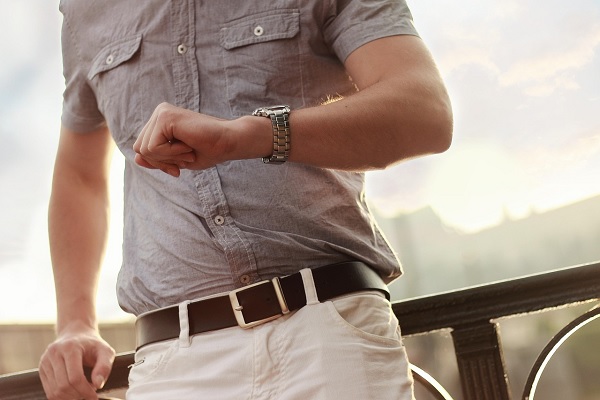
A belt may look like a small detail in an outfit, but it can have a surprisingly noticeable effect on overall proportions. Beyond keeping trousers or jeans in place, the right belt can help define the waist, create visual separation and make an outfit appear more balanced.
One of the simplest ways a belt affects proportions is by creating a clear break between the upper and lower parts of an outfit. When a shirt, T-shirt or knit top is tucked into trousers, a belt can visually define where the top ends and the bottom begins. This can make the outfit look more structured instead of appearing like one continuous block of fabric.
Belt width also matters. A very wide belt can become a strong visual feature, while a narrow belt tends to look more subtle. The best choice often depends on the clothing being worn. Heavier trousers or more structured outfits can usually support a wider belt, while lightweight or minimal outfits may look better with a slimmer design.
The colour of the belt can influence visual continuity as well. A belt that closely relates to the colour of the trousers can create a smoother transition, while a contrasting belt creates a stronger horizontal line. Neither approach is automatically better. The choice depends on whether the goal is a subtle or more noticeable break in the outfit.
Belts can also help when clothing proportions feel slightly off. For example, a tucked-in shirt may look loose or undefined without a belt. Adding one can create a cleaner waistline and make the outfit appear more intentional. Similarly, a belt can help organise the visual space created by high-rise or mid-rise trousers.
The relationship between the belt and footwear can also affect the overall appearance. Traditionally, coordinating the two was considered an important style rule, but modern dressing allows more flexibility. Still, keeping some connection between the belt and shoes can help create a more cohesive look, particularly in formal or business outfits.
Belt placement is another factor that is easy to overlook. Wearing trousers at a different rise changes where the belt sits on the body, which can influence how long the upper and lower sections of an outfit appear. This is one reason the same belt can create a different visual effect with different trousers.
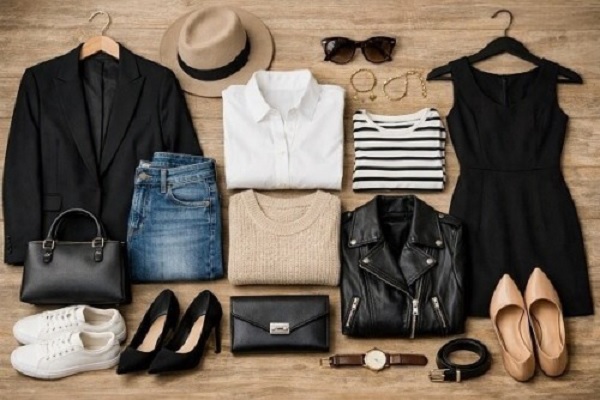
Material plays a role too. Leather belts with a structured finish can make an outfit feel more polished, while woven, fabric or casual belts often create a more relaxed impression. The belt should generally match the overall character of the outfit rather than compete with it.
The buckle should not be ignored either. A large or decorative buckle draws attention toward the waist, while a smaller buckle keeps the look understated. In simple outfits, this small detail can become a noticeable focal point.
Not every outfit needs a belt. Some trousers are designed to sit comfortably without one, and adding an unnecessary belt can sometimes create extra visual clutter. The goal is not to wear a belt simply because belt loops are present, but to use it when it improves the fit or overall balance of the outfit.
Ultimately, a belt works best when it supports the proportions of the entire look. Its colour, width, material, buckle and position can all influence how an outfit is visually divided. When chosen carefully, a simple belt can turn a basic combination of trousers and a top into a more balanced and polished outfit.