


Middle East crisis spurs economic risks, inflationary pressure: S. Korea`s KDI
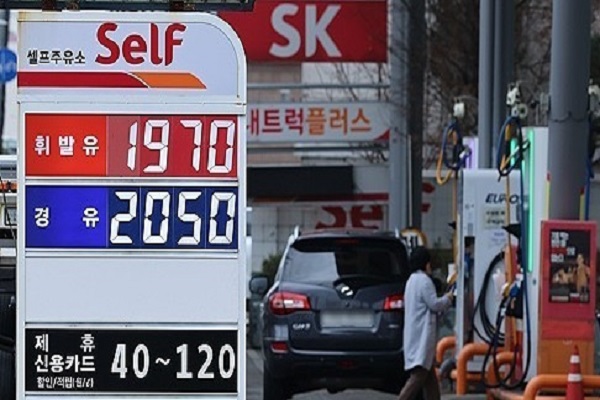
Downside risks to the South Korean economy are increasing amid the prolonged conflict in the Middle East as rising global oil prices and supply chain disruptions could have broader negative impacts on prices, consumption and exports, a state-run think tank said on Tuesday.
"The economy, which had shown a gradual recovery, is now facing heightened downside risks due to surging oil prices and growing global supply chain uncertainties stemming from the conflict in the Middle East," the Korea Development Institute (KDI) said in its monthly economic assessment.
The KDI first raised the possibility of downside risks from the geopolitical crisis early last month and has now issued a more explicit warning, reports Yonhap news agency.
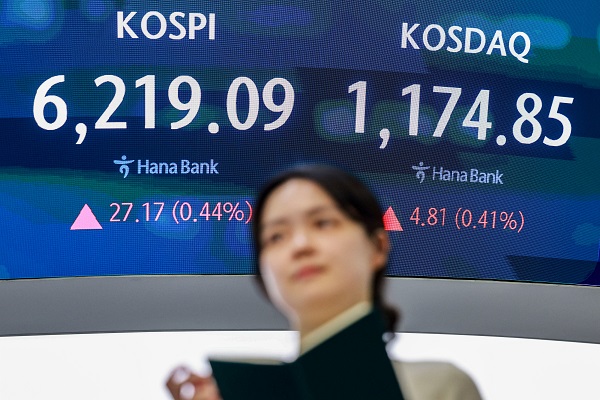
The conflict, which began in late February, has escalated into a broader regional war, roiling global financial markets and pushing up oil prices, fuelling concerns over inflation and a potential economic slowdown.
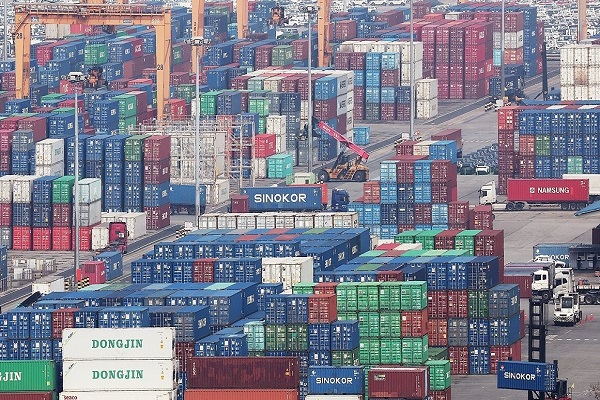
The KDI said domestic demand has improved moderately so far, while exports have maintained strong growth, particularly driven by solid demand for semiconductors.
Rising oil prices, however, could weigh on consumption, while supply disruptions and weakening demand may also affect exports, it noted.
"Facility investment may face constraints, while construction investment could be negatively affected by rising costs linked to the conflict," the KDI said. "Exports may also face worsening conditions amid a potential slowdown in external demand due to the crisis."
Consumer prices rose 2.2 percent in March, up from 2 percent in February, mainly due to a spike in petroleum prices.
While inflation remains close to the 2 percent target, the KDI warned that upward pressure could build further as the impact of the Middle East conflict spreads, said the report.









.jpg)