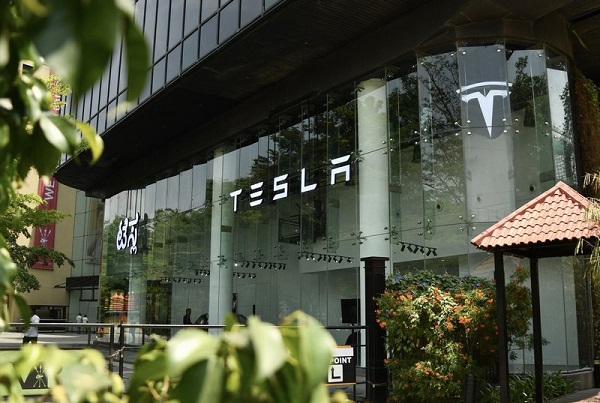
Starlink denies report of India approval freeze, says talks with government remain active
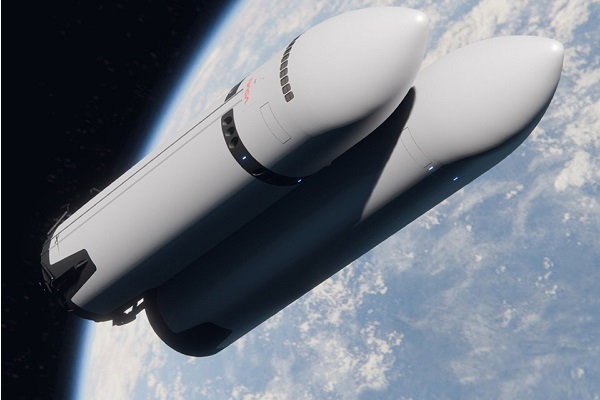
Elon Musk-led Starlink has dismissed a report that India has frozen approvals for its satellite internet services, saying it remains engaged in "active and productive discussions" with the government and continues to receive encouraging feedback on its plans for the country.
Responding to the report, Lauren Dreyer, Vice President of Starlink Business Operations, said the company remains committed to launching services in India and has complied with all regulatory and security requirements.
The clarification came after a Bloomberg report claimed that India had effectively put on hold approvals for Starlink's commercial operations over concerns related to the use of its satellite terminals in the Iran conflict.
"Starlink remains in active and productive discussions with the Government of India contrary to misleading stories based upon unsubstantiated claims from anonymous sources," Dreyer said in a post on social media platform X.
She added that the company has worked with the government through all required regulatory and compliance processes in a transparent and responsible manner.
According to Dreyer, Starlink has also developed a bespoke deployment model for India to align with the country's sovereign technology, regulatory and security requirements.
"We have heard nothing but encouraging feedback on Starlink's capabilities and its potential to advance India's connectivity ambitions, especially in remote and underserved regions," she said.
Dreyer further stated that the company remains fully committed to India and is working with the government to bring Starlink's services to the country soon.
Starlink has applied for a licence to provide satellite communication services in India and has received a Letter of Intent (LoI) from the government.
The company is awaiting final regulatory approval before commencing commercial operations.
The development comes at a crucial juncture for SpaceX -- which is reportedly preparing what could be the largest initial public offering (IPO) in history -- with a planned Nasdaq listing valuing the company at around $1.75 trillion.













.jpg)

.jpg)