Megapixels vs Camera Quality
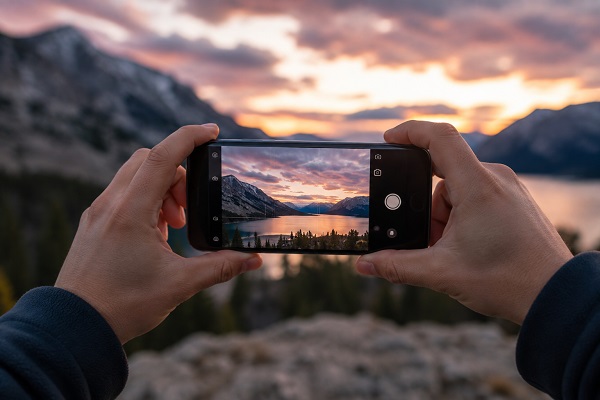
When buying a smartphone or camera, megapixels are often one of the first specifications people look at. A phone with a 200MP camera may sound automatically better than one with a 50MP camera, but **megapixel count alone does not determine image quality**.
Camera quality depends on several factors, including the sensor, lens, image processing, stabilization and lighting conditions.
What Are Megapixels?
A megapixel represents one million pixels. A 50MP camera can capture an image containing roughly 50 million pixels, while a 200MP camera can capture roughly 200 million pixels.
More megapixels can provide **higher image resolution**, which can be useful when cropping photos or printing them at larger sizes.
However, more pixels do not automatically mean better photos.
Why Sensor Size Matters
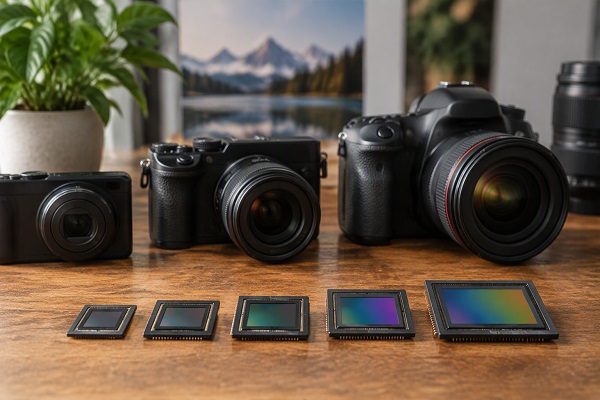
The camera sensor is one of the most important factors affecting image quality.
A larger sensor can generally capture more light, which can improve detail, dynamic range and low-light performance. A smaller sensor with a very high megapixel count may still struggle in difficult lighting conditions.
This is why a well-designed 50MP camera can sometimes produce better images than a 108MP or 200MP camera.
Pixel Size Also Matters
When a sensor contains a large number of pixels, those pixels can become smaller.
Larger individual pixels can capture more light, while smaller pixels may collect less light individually. Smartphone manufacturers often use **pixel binning**, combining several pixels into one larger effective pixel to improve performance in low-light conditions.
For example, a high-resolution sensor may combine multiple pixels to produce a lower-resolution image with better light capture.
Lens Quality Makes a Difference
The lens sits between the subject and the sensor, so its quality has a major impact on the final image.
Factors such as:
* Lens sharpness
* Aperture
* Optical design
* Distortion control
* Flare resistance
can affect the quality of photographs.
A high-megapixel sensor paired with a poor lens may not produce impressive results.
Image Processing Is Extremely Important
Modern smartphones rely heavily on computational photography.
The phone's image-processing system can combine multiple frames and adjust:
* Exposure
* HDR
* Colors
* Shadows
* Highlights
* Noise
* Sharpness
* Skin tones
This means two phones using similar megapixel sensors can produce noticeably different photographs.
Optical Image Stabilization
Optical Image Stabilization, or OIS, helps reduce the effect of hand movement when taking photographs.
It is particularly useful in:
* Low-light photography
* Night photography
* Telephoto photography
* Video recording
A camera with fewer megapixels but good OIS can often produce more usable images than a high-megapixel camera without effective stabilization.
Megapixels Matter More When You Crop
Higher resolution becomes particularly useful when you need to crop an image.
For example, if you take a photo of a distant subject and later crop heavily into the frame, having more original image data can preserve additional detail.
However, for everyday social-media photos, messaging and normal smartphone viewing, extremely high megapixel counts are often unnecessary.
More Megapixels Don't Always Mean Better Low-Light Photos
Low-light photography depends heavily on sensor size, pixel characteristics, lens aperture, stabilization and computational photography.
A camera may offer 200MP resolution but automatically produce a 12.5MP or 50MP image in normal conditions using pixel-binning technology.
The goal is to balance resolution with light-gathering ability and image processing.
What Should You Look For Instead?
When comparing smartphone cameras, don't look at megapixels alone. Consider:
1. **Sensor size**
2. **Lens quality**
3. **Aperture**
4. **OIS**
5. **Autofocus system**
6. **Image-processing capabilities**
7. **Low-light performance**
8. **Dynamic range**
9. **Video capabilities**
10. **Telephoto and ultrawide cameras**
A high-quality 50MP camera with a large sensor, excellent lens and strong processing can outperform a poorly implemented 200MP camera.
The Bottom Line
**Megapixels determine how much image resolution a camera can capture, but they don't determine overall camera quality.**
If you're buying a smartphone, look beyond the megapixel number. Sensor size, lens quality, stabilization, autofocus and computational photography can have a much greater impact on the photographs you actually take.
In simple terms: **more megapixels can give you more detail, but better camera engineering gives you better photos.**