India-US hydrocarbon tie likely to be key driver for $500 billion trade goal

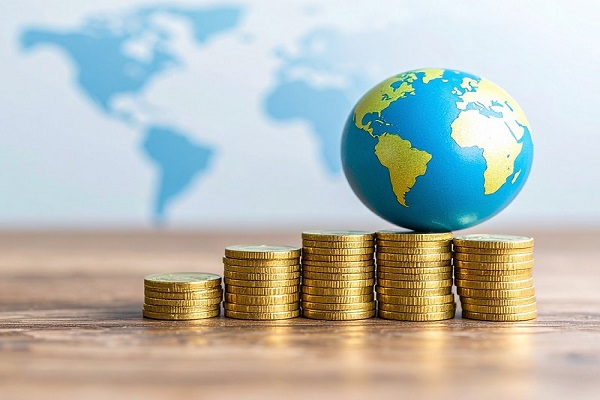
India and the United States can deepen strategic energy ties across the hydrocarbon value chain to expand bilateral trade to a shared goal of $500 billion by 2030, a report said on Wednesday.
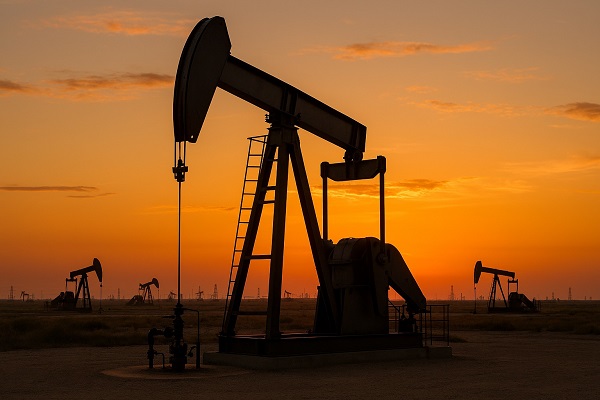
The report from US-India Business Council and Grant Thornton Bharat said hydrocarbons, including LNG, crude oil, LPG, ethane and propane, will play a major role in expanded trade while unlocking new avenues for investment, strengthening energy security and enhancing supply chain resilience for both countries.
The India-US energy relationship is evolving from a traditional buyer-seller model into a strategic partnership spanning trade, investment, technology, infrastructure and energy security.
“The evolution of the India-US energy relationship reflects the broader trajectory of our bilateral partnership-moving from transactional engagement to deeper strategic integration,” said Rahul Sharma, Managing Director, USIBC India.
“As trusted partners, India and the United States are uniquely positioned to collaborate across energy, technology and investment to strengthen energy security, support economic growth, and create new pathways for expanding bilateral trade in the years ahead,” he added.
The report urged three priority actions: expand the scale and value of hydrocarbon trade; create a more attractive, predictable investment environment; and diversify supply chains to strengthen long-term energy security.
Amit Kumar, Partner and Energy and Renewables Industry Leader, Grant Thornton Bharat said that India-US energy partnership is entering a new phase that extends beyond commodity trade to deeper collaboration across investment, technology, infrastructure and supply chains.
The report identified substantial US investment opportunities in India’s upstream exploration and production, LNG infrastructure, city gas distribution, gas-based power and downstream petrochemical development.
The report also pointed to opportunities for Indian companies to strengthen their presence in the US energy sector through investments in LNG export facilities, upstream oil and gas assets, shale resources and petrochemical feedstock chains.
Further, it recommended establishment of an India-US AI-Powered Energy Task Force to accelerate the adoption of advanced technologies across the hydrocarbon sector.
Priority areas for the task force include AI-driven energy forecasting, seismic interpretation, exploration optimisation, predictive maintenance and digital twin technologies for real-time asset monitoring and operational efficiency.