India's Edible Oil Imports Surge as Refiners Build Festival Stocks by Amit Gupta, Kedia Advisory
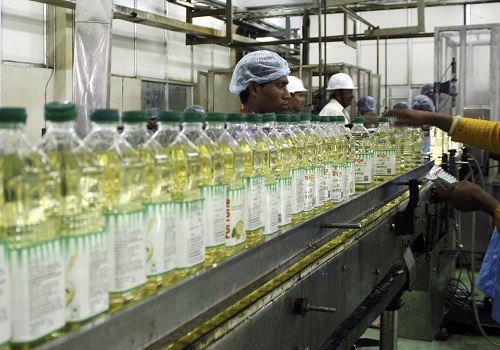
India’s edible oil imports increased sharply in August as refiners accelerated purchases ahead of the festive season. Soyoil imports surged 26% month-on-month to a record 628,736 tonnes, while palm oil imports rose 7% to 782,761 tonnes, the highest since February. Sunflower oil imports declined 36% to 160,639 tonnes. Overall edible oil imports increased 1.5% to an 11-month high of 1.57 million tonnes. Strong Indian buying could help Indonesia, Malaysia and Argentina reduce inventories while supporting palm oil and soyoil prices. However, heavy imports have caused port congestion, with vessel unloading delays reaching up to 10 days as storage capacity becomes increasingly constrained.
Key Highlights
• Soyoil imports surged 26% to a record 628,736 tonnes in August.
• Palm oil imports increased 7% to 782,761 tonnes, highest since February.
• Overall edible oil imports rose 1.5% to an 11-month high of 1.57 million tonnes.
• Sunflower oil imports declined 36% to 160,639 tonnes during August.
• Strong imports caused port congestion, delaying vessel unloading by up to 10 days.
India’s edible oil imports strengthened sharply in August as refiners increased purchases ahead of the country’s key festive season. Overall edible oil imports rose 1.5% month-on-month to an 11-month high of 1.57 million tonnes, highlighting aggressive stocking by refiners ahead of the period when domestic consumption typically peaks.
Palm oil imports increased 7% from the previous month to 782,761 tonnes, marking the highest level since February. The increase provided additional support to palm oil demand, particularly for major suppliers Indonesia and Malaysia. Strong Indian buying could help these producers clear inventories and provide support to benchmark palm oil futures.
Soyoil imports recorded an even stronger increase, climbing 26% to a record 628,736 tonnes. Competitive pricing compared with palm oil encouraged refiners to increase purchases, with market participants expecting September soyoil shipments to remain above 600,000 tonnes. India primarily sources soyoil from Argentina and Brazil, while sunflower oil is imported mainly from Argentina, Brazil, Russia and Ukraine.
In contrast, sunflower oil imports declined 36% to 160,639 tonnes in August. The shift toward palm oil and soyoil reflects the relative price competitiveness of these oils and refiners’ efforts to secure supplies ahead of higher seasonal consumption.
The aggressive buying has also created logistical challenges. Congestion at major Indian ports has reportedly delayed vessel unloading by as much as 10 days, as shore tanks approach capacity and refiners struggle to clear incoming cargo. The elevated import pace could therefore pressure near-term storage and logistics.
Overall, strong festival-led stocking is supporting global vegetable oil demand, while India’s sustained buying could tighten producer inventories and lend further support to palm oil and soyoil markets.
India’s aggressive festival stocking is strengthening edible oil demand, with record soyoil imports and higher palm purchases likely to support global vegetable oil prices.
Above views are of the author and not of the website kindly read disclaimer