Hormuz Tanker Attacks Escalate as Iran Maintains Pressure After US Vote by Amit Gupta, Kedia Advisory
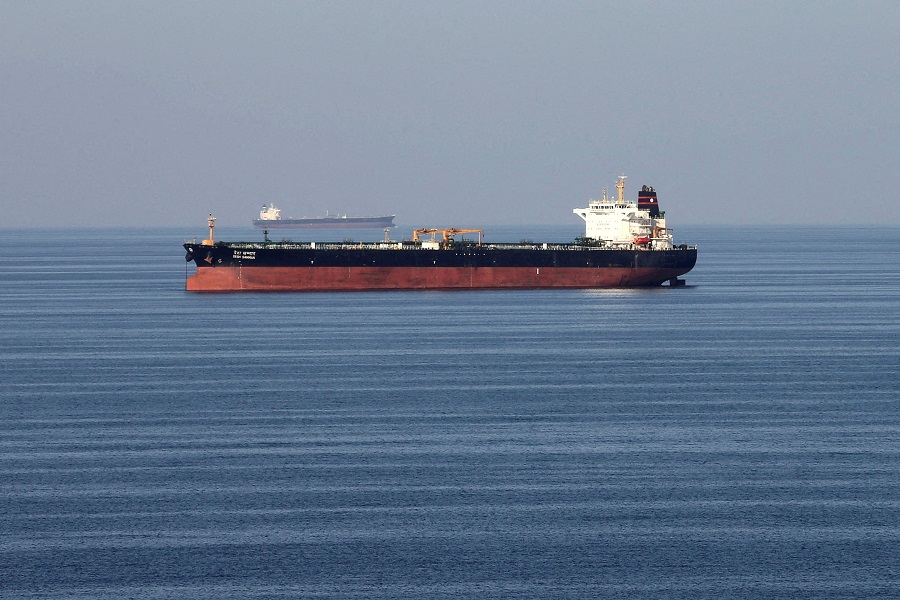
Tensions in the Strait of Hormuz intensified as Iran reported damage to three more tankers, bringing reported vessel incidents to at least five since November 1. The attacks highlight continued risks to global shipping despite growing political pressure on US President Donald Trump following Republican losses in the midterm elections. US Vice President JD Vance attributed the electoral setback partly to the Iran war, while Trump defended military action. Oil prices have declined more than $20 per barrel from last week amid expectations of reduced military escalation. Meanwhile, Qatar continues mediating between Washington and Tehran, although major disagreements remain unresolved.
Key Highlights
* Iran reported three additional tanker incidents in the Strait of Hormuz, highlighting persistent shipping security risks.
* At least five vessels have reported incidents since November 1, according to the UKMTO.
* Republican losses in the US midterm elections have intensified political scrutiny of Trump's Iran war strategy.
* Oil prices have fallen more than $20 per barrel from last week amid expectations of reduced military escalation.
* Qatar-led mediation continues, with Washington and Tehran reviewing proposals to bridge differences, although no breakthrough has emerged.
Tensions in the Strait of Hormuz escalated after Iran reported that three additional tankers had been damaged, highlighting continued threats to global shipping amid the unresolved Gulf conflict. At least five vessels have reported incidents since Sunday, November 1, according to the UK Maritime Trade Operations (UKMTO). The latest developments have kept geopolitical risks elevated, although crude oil prices have declined more than $20 per barrel from last week's levels as traders anticipate a possible reduction in US military escalation.
The decline in oil prices reflects expectations that US President Donald Trump could reconsider further military action following Republican losses in the midterm elections, which cost his party control of Congress. US Vice President JD Vance attributed the electoral setback partly to the Iran war, highlighting its political and economic consequences. However, Trump defended the decision to launch military operations, maintaining that preventing Iran from acquiring nuclear weapons remains a key objective.
Meanwhile, maritime security concerns remain significant, with attacks on tankers continuing at a near-record pace. The UKMTO reported that a vessel was struck by two unidentified projectiles late Wednesday. Iran's Revolutionary Guards subsequently said two tankers had hit naval mines and another had caught fire on Thursday. In October, the UKMTO recorded 35 vessel incidents, the highest monthly total since the war began.
Diplomatic efforts are continuing through Qatar, which confirmed that the United States and Iran are reviewing proposals aimed at bridging their differences. Negotiations involve the future status of the Strait of Hormuz, sanctions, the US blockade on Iranian ports and Iran's nuclear programme. However, significant disagreements remain, while concerns over a possible resumption of US strikes continue to cloud the outlook.
Continued tanker attacks and unresolved diplomatic differences keep geopolitical risks elevated, while expectations of reduced military escalation have provided some relief to crude oil prices.
Above views are of the author and not of the website kindly read disclaimer