India`s Digital Payments Cross New Milestones as UPI Reaches 228 billion Transactions in 2025: Worldline Report
Worldline [Euronext: WLN], a global leader in payment services, today released its annual report, “India Digital Payments Report – Year 2025 in Review,” highlighting a transformative year for the country’s digital payments ecosystem.
The report reveals a maturing payments landscape where multiple payment rails — UPI, cards, and recurring payment platforms such as Bharat BillPay — are increasingly working in complementary roles to power a fully digital, always-on economy.
According to the report, Unified Payments Interface (UPI) processed 228.5 billion transactions in 2025, marking a 33% year-on-year increase, while transaction value reached INR 299.74 trillion. The platform now processes major chunks of transactions everyday, underlining its position as the default payment method for everyday commerce in India.
The findings indicate that India is steadily transitioning toward a micro-transaction economy, where digital payments are replacing small-value cash purchases across categories ranging from neighbourhood retail to transport and everyday services.
Key Findings from the Report
UPI Becomes the Default Payment Rail
UPI continues to dominate India’s payments landscape, with strong growth in both person-to-person (P2P) and person-to-merchant (P2M) transactions.
* Total transactions in 2025 reached 228.5 billion, up from 172.2 billion in 2024.
* P2M payments rose 34% to 143.82 billion, indicating UPI’s growing role in merchant payments.
India Emerges as a Micro-Transaction Economy
The average ticket size (ATS) of UPI transactions continued to decline, indicating growing use for everyday purchases.
* Overall UPI ATS fell 9% to Rs.1,314.
* Merchant payments ATS dropped to Rs.592, reflecting the digitisation of small-ticket purchases.
Each reduction in ticket size signals the migration of previously cash-driven transactions — from street vendors to local services — into the digital economy.
QR Codes Drive Merchant Digitisation
Merchant acceptance infrastructure expanded significantly during the year.
* UPI QR codes increased to 731.38 million, up 15% year-on-year.
* PoS terminals grew to 11.48 million, also rising 15% from the previous year.
* Bharat QR deployments declined slightly as the ecosystem consolidated around UPI-led acceptance models.
The report notes that India’s merchant ecosystem is increasingly becoming “QR-first, PoS-as-needed,” enabling even the smallest merchants to accept digital payments with minimal infrastructure.
Cards Shift Toward High-Value and Online Spending
While UPI dominates everyday payments, card usage continues to grow in high-value and online commerce.
* Credit card transactions increased 27% to 5.69 billion.
* Debit card volumes declined 23%, reflecting migration of small-value transactions to UPI.
* Online credit card payments reached Rs.14.53 trillion, reinforcing cards’ role in ecommerce and premium purchases.
Recurring Payments Gain Momentum
Recurring digital payments are growing rapidly as households move towards automated bill management.
Transactions on Bharat BillPay reached-
* 3.05 billion transactions in 2025, up 40% year-on-year
* Rs.14.84 trillion in value, representing a 93% increase
The platform is seeing strong adoption across categories such as education fees, insurance payments, EMI repayments, and subscription services, signalling the rise of a “set-and-forget” digital payments model.
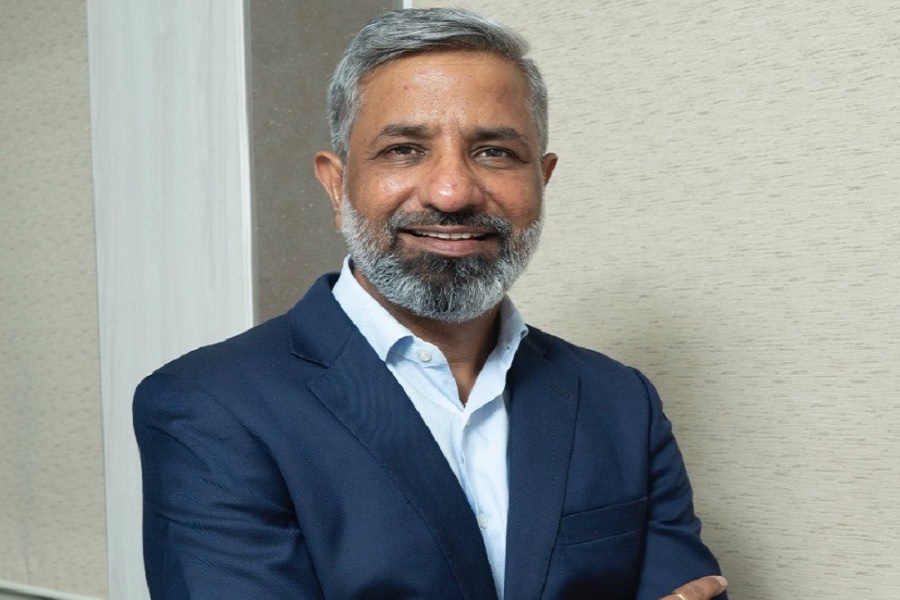
Ramesh Narasimhan, Chief Executive Officer, Worldline India, said “India’s digital payments ecosystem is entering a new phase of maturity, where scale is being complemented by structure. As highlighted in our latest report, we are seeing distinct roles emerge across UPI, cards, and recurring payment platforms, supported by a rapidly expanding acceptance infrastructure. At Worldline India, our focus remains on strengthening the underlying systems that ensure these transactions are seamless, secure, and reliable at scale.”
Outlook - Toward a Multi-Rail Payments Future
The report concludes that India’s payments ecosystem is evolving into a multi-rail model, where different instruments serve distinct consumer needs –
* UPI powering everyday micro-transactions
* Cards supporting high-value and online commerce
* Bharat BillPay enabling recurring and automated payments
This convergence is expected to drive the next phase of digital commerce in India, as the ecosystem focuses on scaling infrastructure, enhancing security, and building sustainable payment models for merchants and financial institutions.
Above views are of the author and not of the website kindly read disclaimer