India Oilmeal Exports Fall 12.5% as Soybean Meal Shipments Plunge by Amit Gupta, Kedia Advisory
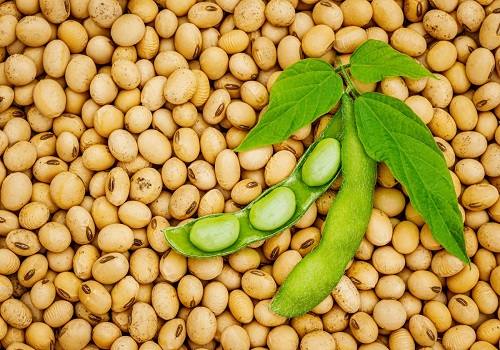
India’s oilmeal exports declined 12.5% year-on-year to 9.57 lakh tonnes during April-June 2026-27, mainly due to a sharp fall in soybean meal shipments. Soybean meal exports plunged 65% to 1.69 lakh tonnes from 4.93 lakh tonnes a year earlier, as high domestic prices and strong local feed demand reduced exportable supplies. Cheaper soybean meal from Argentina and Brazil further weakened India’s global competitiveness, while Red Sea disruptions and elevated freight costs added pressure. However, stronger rapeseed meal demand provided support, with exports rising to 6.60 lakh tonnes. China remained the largest destination, importing 3.13 lakh tonnes of Indian oilmeals.
Key Highlights
• India’s oilmeal exports declined 12.5% to 9.57 lakh tonnes during April-June 2026-27.
• Soybean meal shipments plunged 65% to 1.69 lakh tonnes amid high domestic prices.
• Rapeseed meal exports rose to 6.60 lakh tonnes, cushioning the overall export decline.
• China imported 3.13 lakh tonnes of Indian oilmeals, led by rapeseed meal shipments.
• Bangladesh and Vietnam imported 1.43 lakh tonnes and 90,559 tonnes of oilmeals respectively.
India’s oilmeal exports fell 12.5% year-on-year to 9.57 lakh tonnes during April-June 2026-27, weighed heavily by a sharp decline in soybean meal shipments. Exports stood at 10.94 lakh tonnes during the corresponding period last year, while June shipments alone declined 30.67% to 2.17 lakh tonnes from 3.13 lakh tonnes.
The major drag came from soybean meal, with exports plunging 65% to 1.69 lakh tonnes from 4.93 lakh tonnes in the first quarter of 2025-26. High domestic soybean meal prices and robust demand from India’s animal feed and livestock sectors reduced the availability of surplus supplies for overseas markets. Cheaper supplies from Argentina and Brazil also made Indian soybean meal less competitive globally.
Export realisations were further pressured by lingering Red Sea shipping disruptions and elevated freight costs, particularly on routes serving traditional Western buyers. However, strong demand for Indian rapeseed meal from Asian markets provided a significant cushion against the decline in soybean meal exports.
Rapeseed meal shipments increased to 6.60 lakh tonnes from 5.31 lakh tonnes a year earlier, helping limit the overall contraction in oilmeal exports
China emerged as the largest destination, importing 3.13 lakh tonnes of Indian oilmeals during April-June, compared with 1.87 lakh tonnes a year earlier. Its purchases were dominated by 3.09 lakh tonnes of rapeseed meal. Bangladesh imported 1.43 lakh tonnes, while Vietnam’s purchases rose to 90,559 tonnes from 58,067 tonnes.
India’s oilmeal exports remain under pressure from costly soybean meal and freight disruptions, while strong rapeseed meal demand continues to provide crucial support to shipments.
Above views are of the author and not of the website kindly read disclaimer