IMF Warns Global Recession Risk as Oil Prices Surge by Amit Gupta Kedia Advisory
The International Monetary Fund has downgraded global growth projections, warning of a potential recession if the Iran conflict intensifies and oil prices remain elevated. Under its base scenario, global GDP growth for 2026 is forecast at 3.1%, but could fall to 2.0% in a severe scenario. Rising energy prices, supply disruptions, and inflation risks are key concerns. While economies like India show resilience, regions heavily dependent on energy imports face significant downside risks. The outlook highlights increasing vulnerability of global markets to prolonged geopolitical instability.
Key Highlights
* IMF cuts global growth outlook amid Iran war risks
* Severe scenario sees global growth drop to 2.0%
* Oil above $100 could trigger recession conditions
* Inflation risks rise; central banks may tighten policy
* India remains resilient with growth at 6.5%
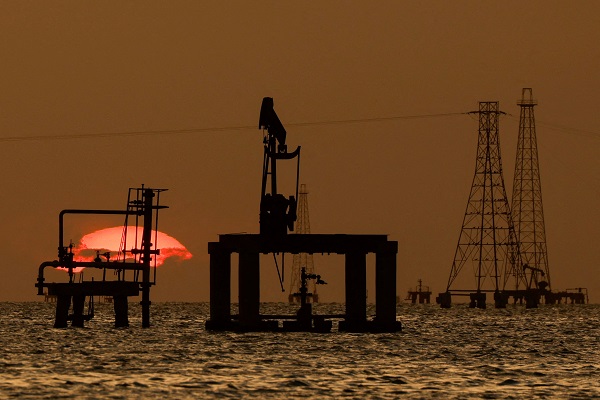
Global economic sentiment has weakened sharply after the International Monetary Fund revised its growth outlook downward, citing rising oil prices and supply disruptions linked to escalating tensions in the Middle East. Brent crude prices hovering near $100 per barrel have heightened fears of prolonged inflation and slower economic expansion. Under its baseline scenario, global GDP growth for 2026 is projected at 3.1%, lower than earlier estimates, reflecting the growing impact of geopolitical risks on economic stability.
Supporting the cautious outlook, the IMF highlighted that sustained high energy prices could significantly strain global demand. In an adverse scenario, where oil remains elevated, global growth could decline to 2.5%, while a severe escalation may push growth down to 2.0%, nearing recessionary levels. Historically, such low growth levels have coincided with major global downturns, including the 2009 financial crisis and the 2020 pandemic.
On the inflation front, persistent high oil prices could push global inflation above 6%, forcing central banks to adopt tighter monetary policies. This could further dampen economic activity, particularly in energy-importing economies. While central banks may tolerate short-term price spikes, sustained inflation risks could necessitate aggressive rate hikes.
Regionally, emerging markets are expected to bear the brunt of the slowdown, especially in the Middle East and Central Asia. In contrast, India stands out as a relatively resilient economy, with growth projections upgraded to 6.5% for 2026 and 2027, supported by strong domestic demand and policy momentum.
Finally, rising geopolitical risks and persistent high oil prices pose significant threats to global growth, with the possibility of recession increasing if energy markets remain disrupted for an extended period.
Above views are of the author and not of the website kindly read disclaimer