How to Manage Money When Your Income Changes Every Month
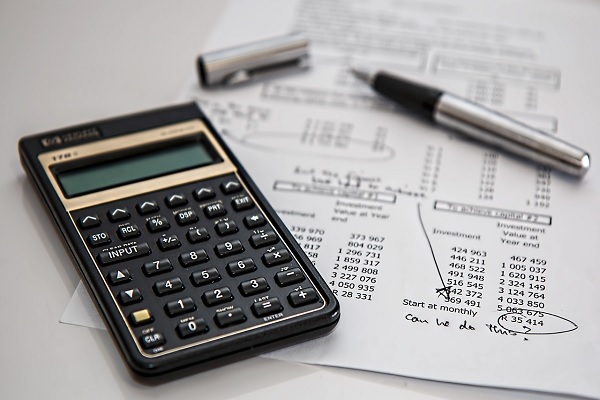
Managing money can become challenging when monthly income is unpredictable. Freelancers, business owners, commission-based workers, and people with irregular work schedules may earn different amounts each month. Without a clear plan, a high-income month can create a false sense of security, while a low-income month can make essential expenses difficult to manage.
A flexible financial strategy can help people handle these fluctuations without losing sight of their long-term wealth goals.
Calculate Your Essential Monthly Expenses
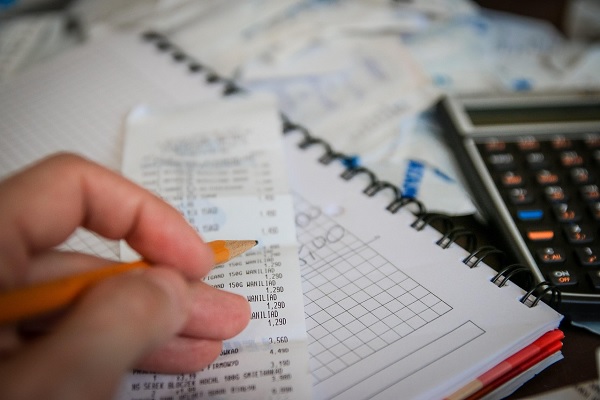
The first step is to understand the minimum amount needed to cover essential expenses. Rent, groceries, electricity, transportation, insurance, and loan payments should be considered before discretionary spending.
Knowing this baseline helps individuals identify how much money they need to keep available, even during months when earnings fall below expectations.
Plan Around a Conservative Income Estimate
Instead of building a budget around the highest amount earned in a good month, it is more practical to use a conservative income estimate based on previous earnings. This reduces the risk of committing to expenses that become difficult to afford when income declines.
Any amount earned above the planned budget can be directed toward savings, upcoming expenses, or suitable investments, depending on immediate financial needs.
Build a Buffer for Low-Income Months
An income buffer can help cover essential expenses when earnings are delayed or unusually low. Individuals can start by setting aside a manageable amount during stronger months and gradually work toward covering several months of essential expenses.
Keeping this money accessible is important because its primary purpose is to provide financial support during uncertain periods, rather than generate high investment returns.
Separate Money for Different Purposes
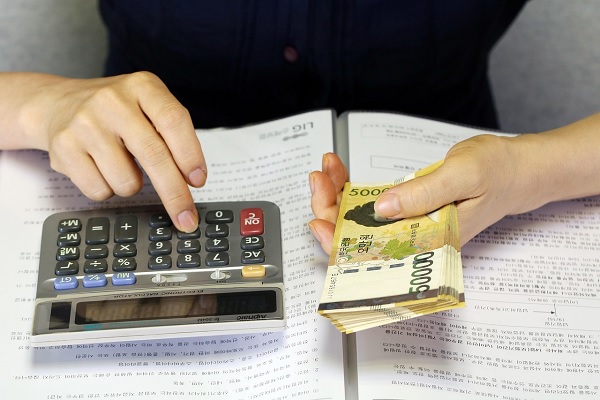
Separating funds for household expenses, taxes where applicable, upcoming bills, and savings can make irregular income easier to manage. Dedicated savings can also help cover predictable but infrequent costs, such as annual insurance premiums, equipment replacement, or vehicle maintenance.
This approach makes it easier to distinguish money that is available to spend from money already intended for another purpose.
Avoid Increasing Expenses After a Good Month
A sudden increase in earnings can encourage unnecessary purchases or long-term financial commitments. However, one strong month does not necessarily indicate that higher income will continue.
Before upgrading a lifestyle or taking on a new recurring expense, individuals should consider whether they could comfortably afford it during a weaker month. Keeping fixed expenses manageable creates more flexibility when circumstances change.
Review Your Financial Position Regularly
People with variable earnings can benefit from reviewing their income, spending, savings, and upcoming payments every month. This makes it easier to spot problems early, adjust discretionary expenses, and decide how much money can safely be saved or invested.
Managing irregular income requires flexibility rather than a rigid budget. By planning for essential expenses, maintaining a financial buffer, and avoiding commitments based on temporary earnings, individuals can reduce financial uncertainty and build a stronger foundation for long-term wealth.