How to Improve Your Car's Fuel Efficiency
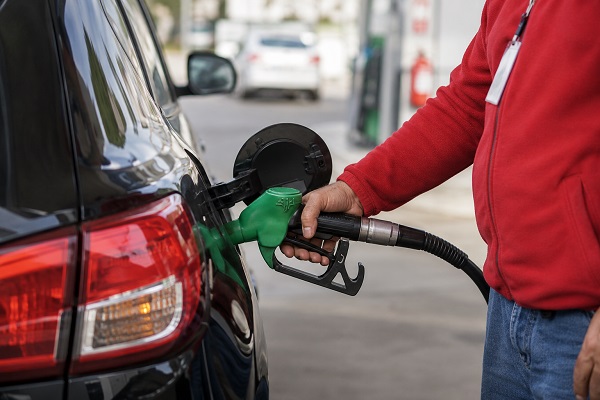
Fuel efficiency is one of the most important factors for car owners, especially as fuel prices continue to fluctuate. While modern vehicles are designed to be more economical than ever, your driving habits and maintenance routine play a major role in determining how much fuel your car consumes. By adopting a few simple practices, you can improve mileage, reduce running costs, and extend the life of your vehicle.
One of the easiest ways to improve fuel efficiency is by maintaining the correct tire pressure. Underinflated tires create more rolling resistance, forcing the engine to work harder and consume more fuel. Checking your tire pressure regularly and keeping it at the manufacturer's recommended level can noticeably improve mileage.
Regular vehicle maintenance is equally important. Replacing engine oil on time, changing air filters, and servicing spark plugs help the engine perform efficiently. A well-maintained engine burns fuel more effectively, resulting in smoother performance and lower fuel consumption.
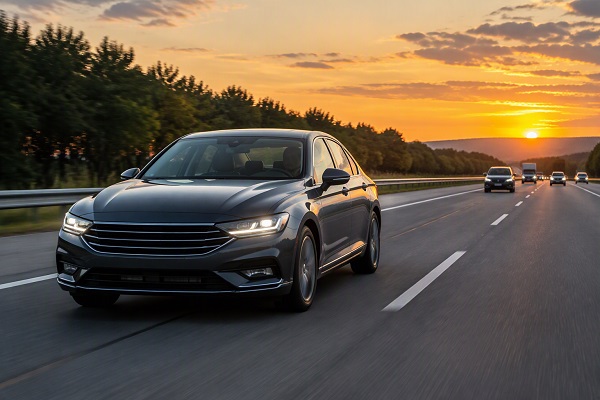
Driving style also has a significant impact on fuel economy. Sudden acceleration, hard braking, and frequent speeding increase fuel usage. Instead, accelerate gradually, maintain a steady speed, and anticipate traffic conditions whenever possible. Using cruise control on highways can also help maintain consistent speed and improve fuel efficiency during long journeys.
Avoid carrying unnecessary weight in your car. Extra luggage, unused roof racks, and heavy cargo increase the vehicle's overall weight, requiring more energy to move. Removing unnecessary items can make your vehicle lighter and more fuel-efficient.
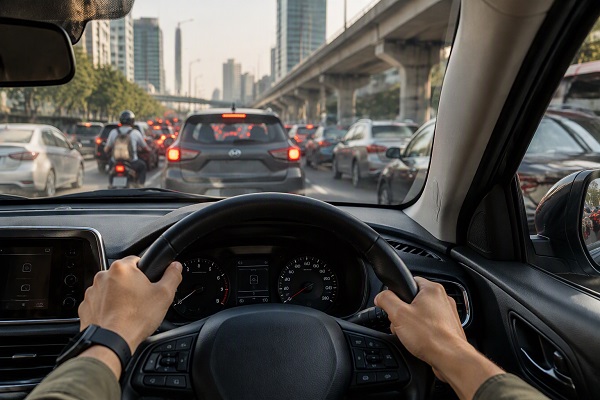
Using the air conditioner wisely can also help save fuel. Air conditioning places additional load on the engine, particularly in slow-moving city traffic. Whenever weather permits, use ventilation instead of maximum cooling, and avoid leaving the AC running when the vehicle is parked.
Planning your trips efficiently can reduce unnecessary fuel consumption. Combining multiple errands into a single journey, avoiding heavy traffic, and choosing shorter routes can help reduce idle time and improve overall fuel economy. Modern navigation apps can also suggest the fastest and most fuel-efficient routes.
Driving within the recommended speed range is another effective way to save fuel. Most cars achieve their best fuel efficiency between 60 and 80 km/h on highways. Driving significantly above this range increases aerodynamic drag, causing the engine to burn more fuel.
Finally, consider using high-quality fuel from trusted fuel stations and always follow the fuel grade recommended by your vehicle manufacturer. Good-quality fuel supports cleaner engine performance and contributes to better long-term efficiency.
Improving your car's fuel efficiency doesn't require expensive modifications. Simple habits such as regular maintenance, smooth driving, proper tire care, and smart trip planning can significantly reduce fuel consumption while enhancing vehicle performance. By making these small changes part of your routine, you can enjoy lower fuel costs, a smoother driving experience, and a more environmentally friendly journey.