How to Enjoy Diwali Sweets Without Overloading on Sugar
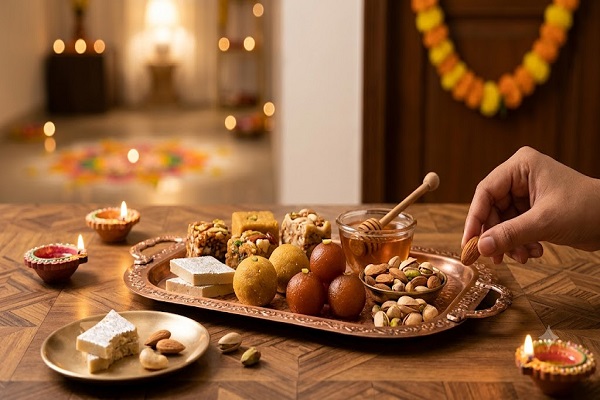
Diwali is a festival of lights, family gatherings and delicious traditional sweets. From laddoos and barfis to kaju katli, jalebi and gulab jamun, festive treats are an important part of the celebrations. However, frequent snacking and consuming large portions of sugary foods can increase overall sugar intake, making it difficult to maintain a balanced diet during the festive season.
The good news is that enjoying Diwali sweets does not mean giving up on healthy eating. With mindful choices, sensible portions and a few simple dietary habits, you can enjoy your favourite festive treats while keeping your sugar intake under control.
1. Practise Portion Control
One of the simplest ways to enjoy Diwali sweets without consuming excessive sugar is to pay attention to portion sizes. Instead of eating several sweets at once, choose a small serving of your favourite treat and enjoy it slowly.
For example, have one small piece of kaju katli or a small laddoo rather than sampling multiple sweets in large quantities. If you want to try different varieties, take smaller portions of each.
Portion control allows you to enjoy festive flavours without making sweets a major part of every meal.
2. Choose Homemade Sweets When Possible
Homemade sweets can give you greater control over the ingredients used in their preparation. You can adjust the amount of added sugar and choose ingredients such as nuts, seeds, milk and whole grains, depending on the recipe.
Traditional sweets made with dates or dried fruits may also be an option, but these ingredients contain natural sugars and can contribute to total sugar intake. Therefore, homemade or naturally sweetened treats should still be enjoyed in moderation.
Remember that homemade sweets are not automatically low in calories or sugar. The ingredients and portion size both matter.
3. Avoid Eating Sweets Throughout the Day
During Diwali, sweets are often available at home, in offices and during social visits. Eating a little every time you pass the sweet box can lead to a much higher sugar intake than expected.
Instead, plan when you want to enjoy a sweet treat. Have it as part of a meal or after a balanced meal rather than repeatedly snacking on sweets throughout the day.
Keeping sweets out of constant view and serving individual portions can also help reduce unplanned eating.
4. Balance Festive Meals with Nutritious Foods
A balanced diet can help you maintain healthier eating habits during the festive season. Include vegetables, pulses, whole grains, nuts and protein-rich foods such as curd, paneer or legumes in your regular meals.
For example, a lunch containing dal, vegetables, roti and curd provides a more balanced nutritional combination than a meal dominated by fried snacks and sweets.
You do not need to skip meals to compensate for eating sweets. Skipping meals may leave you excessively hungry and make it harder to manage portions later.
5. Be Careful with Sugary Drinks
Sweets are not the only source of added sugar during Diwali. Soft drinks, packaged juices, sweetened tea, flavoured milk and festive beverages can also contribute to daily sugar consumption.
Choose water, unsweetened lemon water or other unsweetened beverages more often. If you enjoy a sweet drink during a celebration, consider a smaller serving and avoid combining several sugary drinks with desserts.
Whole fruit is generally a more nutritious everyday choice than fruit juice because it provides fibre along with naturally occurring sugars.
6. Make Smarter Choices When Buying Sweets
When purchasing festive sweets, pay attention to ingredients, freshness and portion sizes. Some packaged products contain added sugar, glucose syrup or other sweetening ingredients.
Compare nutrition labels when available, particularly the total sugar content per serving. Remember that a product marketed as “sugar-free” may still contain carbohydrates, calories or other sweeteners. Sugar-free sweets are not necessarily suitable for unlimited consumption.
For people managing diabetes, checking carbohydrate content as well as sugar content is particularly important.
7. Stay Physically Active During Diwali
Festive celebrations can disrupt regular exercise routines, but maintaining physical activity can support overall health and help with blood glucose management.
Try to include a brisk walk, light exercise or an enjoyable family activity in your daily schedule. A short walk after a meal may be a practical way to stay active, provided it is appropriate for your health and fitness level.
However, exercise should not be treated as a way to cancel out sweets or compensate for overeating. Regular activity works best alongside balanced eating habits.
8. Take Extra Care If You Have Diabetes
People with diabetes can enjoy festive occasions, but they may need to plan their food choices more carefully. Sugary sweets can raise blood glucose levels, and the effect depends on portion size, total carbohydrate intake, medication and individual health circumstances.
Consider the following precautions:
Keep portions small and account for sweets in your overall carbohydrate intake.
Monitor blood glucose according to your healthcare professional's advice.
Avoid changing or skipping prescribed medication to accommodate festive meals.
Choose a balanced meal pattern and limit repeated consumption of sugary foods.
Consult your doctor or registered dietitian for advice tailored to your treatment plan.
People with diabetes do not necessarily need to avoid every sweet, but their choices should fit their individual diabetes management plan.
9. Avoid Extreme Dieting After Festive Indulgence
Eating more sweets than planned on one occasion does not mean you need to follow a strict detox diet the next day. Skipping meals, fasting unnecessarily or following restrictive diets can make healthy eating more difficult.
Instead, return to your usual balanced meals, drink enough water, get adequate sleep and continue your regular physical activity. Consistent habits are more useful for long-term health than trying to make up for individual indulgences.
10. Teach Children Healthy Festive Eating Habits
Diwali is an opportunity to help children develop a balanced relationship with food. Allow them to enjoy festive treats in age-appropriate portions while also offering nutritious meals, fruit and water.
Avoid labelling sweets as forbidden or using them as rewards. Instead, explain that sweets can be enjoyed occasionally as part of a varied diet.
Parents can also involve children in preparing homemade snacks, arranging fruit platters or choosing smaller portions of their favourite treats.
Conclusion
Enjoying Diwali sweets without overloading on sugar is about moderation rather than complete restriction. Choosing smaller portions, limiting frequent snacking, reducing sugary drinks and maintaining balanced meals can help you celebrate without losing sight of your health goals.
Whether you prefer traditional laddoos, barfi or homemade festive delicacies, you can make room for your favourites by paying attention to how much and how often you eat them. This Diwali, focus on enjoying food mindfully, staying active and sharing joyful moments with family and friends.
Disclaimer: This article is for general educational purposes and does not replace personalised medical advice. People with diabetes or other medical conditions should follow guidance from their healthcare professionals regarding sugar and carbohydrate intake.



 Ltd.jpg)