How to Declutter Your Wardrobe

A cluttered wardrobe can make getting dressed every day more difficult. Clothes may pile up, old pieces may take up valuable space, and finding something you actually want to wear can become frustrating. Decluttering your wardrobe can make your daily routine easier while helping you understand your personal style better.
1. Take Everything Out
Start by removing all your clothes from the wardrobe. Place them somewhere you can see everything clearly. This makes it easier to understand how much you actually own and prevents forgotten pieces from staying hidden.
2. Sort Clothes Into Categories
Create separate groups such as:
* Keep
* Donate
* Sell
* Repair
* Recycle
Sorting clothes into clear categories makes the decision-making process easier.
3. Ask Yourself If You Wear It
For every item, ask yourself whether you have worn it recently. If you haven't worn something for a long time and cannot think of a realistic occasion to wear it, it may be taking up unnecessary space.
4. Check the Fit
Clothes should fit comfortably and make you feel confident. If something is consistently too tight, too loose, uncomfortable, or no longer suits your preferences, consider letting it go.
5. Remove Damaged Clothes
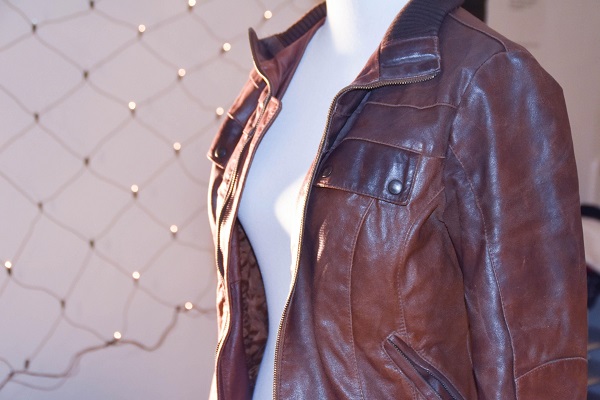
Look for clothes with permanent stains, large tears, broken zippers, or other damage. If the item is worth repairing, keep it in a separate repair pile. Otherwise, consider recycling it responsibly rather than allowing it to occupy wardrobe space.
6. Avoid Keeping Clothes Just Because They Were Expensive
An expensive item does not automatically deserve permanent space in your wardrobe. If you never wear it, the money has already been spent. Keeping it unused does not recover its value.
7. Get Rid of Duplicates
You may not need five similar black T-shirts or several pairs of almost identical jeans. Keep the pieces you wear most and consider donating or selling unnecessary duplicates.
8. Organise by Category
Once you've decided what to keep, organise your wardrobe logically. Keep shirts together, trousers together, dresses together, and so on. You can also organise clothes by colour if that makes them easier to find.
9. Store Seasonal Clothes Separately
Heavy winter clothing can take up considerable space during summer, while summer clothes may not be useful during colder months. Store seasonal pieces separately and rotate them when the weather changes.
10. Don't Refill the Empty Space Immediately
After decluttering, avoid immediately buying new clothes just because you have extra space. Use the opportunity to understand what you actually need before shopping again.
Simple Tips to Maintain a Decluttered Wardrobe
* Follow a one-in, one-out approach when buying clothes.
* Review your wardrobe every few months.
* Avoid impulse purchases.
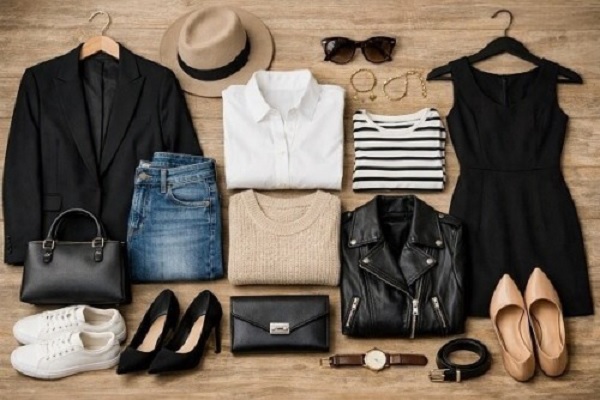
* Buy versatile pieces that work with multiple outfits.
* Donate clothes that are still in good condition.
* Repair useful clothes instead of replacing them unnecessarily.
Conclusion
Decluttering your wardrobe is not about owning as few clothes as possible. It is about keeping clothes that you actually use, enjoy, and feel comfortable wearing. A well-organised wardrobe can save time, reduce decision fatigue, and make it easier to create outfits that reflect your personal style.