How Smartphone Cameras Are Replacing Professional Equipment
In the last decade, smartphone cameras have evolved from simple convenience tools into powerful imaging systems capable of rivaling professional-grade equipment. What once required bulky DSLR or mirrorless setups, multiple lenses, and specialized training can now often be achieved with a device that fits in a pocket. This shift is reshaping photography, filmmaking, journalism, and even commercial content production.
At the heart of this transformation is computational photography. Modern smartphones do not rely solely on hardware; instead, they combine advanced sensors with artificial intelligence and image processing algorithms. Features such as HDR blending, night mode, portrait segmentation, and motion stabilization are all powered by software that enhances raw image data in real time. This allows even casual users to capture images with professional-level clarity and dynamic range.
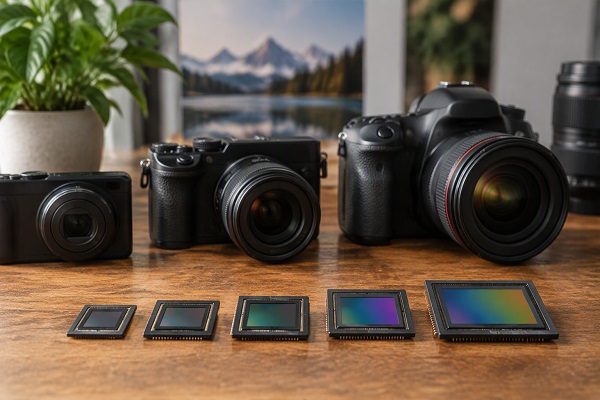
Camera hardware has also improved significantly. Leading smartphones now feature multi-lens systems, including wide-angle, ultra-wide, telephoto, and macro lenses. Larger sensors, improved low-light performance, and optical image stabilization have narrowed the gap between smartphones and dedicated cameras. Some flagship devices now support 4K and even 8K video recording, along with cinematic frame rates and professional color profiles.
Another major factor driving this shift is accessibility. Professional camera equipment can be expensive, complex, and time-consuming to master. In contrast, smartphones offer an all-in-one solution that combines capture, editing, and sharing. With built-in editing tools and powerful apps, users can shoot, refine, and publish content instantly—something that traditionally required multiple devices and software systems.
Social media has also played a critical role in accelerating this change. Platforms such as Instagram, TikTok, and YouTube Shorts prioritize fast, high-quality visual content. As a result, creators are increasingly relying on smartphones to produce professional-grade videos and photos on the go. The ability to instantly upload content has made smartphones the preferred tool for influencers, marketers, and even journalists covering breaking news.
Professional industries are also adapting. Many media organizations now use smartphone footage in field reporting, especially in fast-moving or remote environments. Independent filmmakers are producing entire short films and documentaries using smartphones, relying on external microphones, stabilizers, and editing software to enhance production quality. Even commercial advertising campaigns are increasingly incorporating smartphone-shot content due to its authenticity and flexibility.
Despite these advancements, professional cameras still hold advantages in certain areas. DSLRs and mirrorless systems offer superior control over depth of field, interchangeable lenses, and better performance in extreme shooting conditions. High-end cinema cameras remain essential for large-scale productions, where precision, sensor size, and optical flexibility are critical. However, the gap continues to narrow with each generation of smartphone technology.
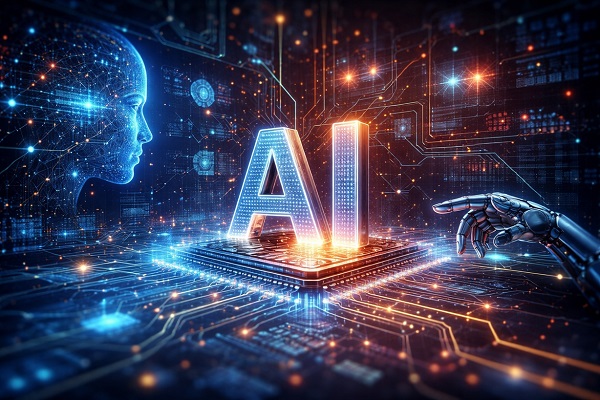
Artificial intelligence is expected to further accelerate this convergence. Future smartphones are likely to feature real-time scene reconstruction, advanced subject tracking, and AI-driven cinematic effects that automatically adjust lighting, composition, and focus. These innovations will make professional-quality photography even more accessible to everyday users.
The rise of smartphone cameras is not simply a technological upgrade—it represents a democratization of creativity. More people than ever before can capture, create, and share high-quality visual content without needing specialized equipment or training. This shift is redefining industries, lowering barriers to entry, and expanding the global community of visual storytellers.
While professional equipment will continue to play a vital role in high-end production, the smartphone has firmly established itself as a legitimate creative tool. In many cases, it is no longer just an alternative—it is the first choice.