Home Organisation Ideas for Women Managing Busy Schedules
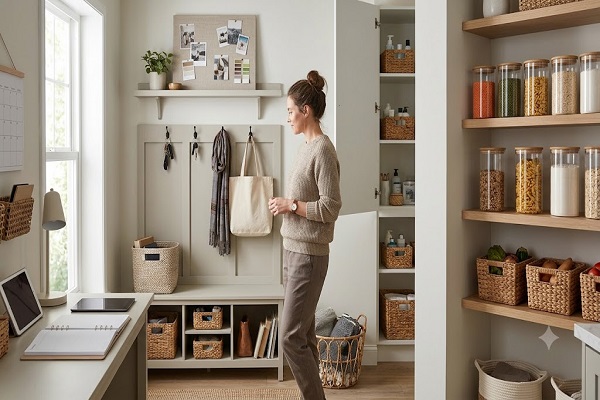
Managing a home while balancing work, family responsibilities and personal commitments can be challenging for many women. From preparing meals and organising wardrobes to keeping track of household essentials, daily tasks can quickly become overwhelming. A well-organised home, however, does not require expensive storage solutions or hours of cleaning. With a few practical habits and simple organisation strategies, women can create a comfortable, clutter-free living space while saving time and energy.
Here are some easy home organisation ideas that can help women manage busy schedules more efficiently.
1. Create a Daily Cleaning Routine
Trying to clean the entire house in one day can be exhausting, especially for women who work outside the home or manage multiple responsibilities. Instead, divide household chores into smaller, manageable tasks.
Spend 10–15 minutes each day on essential activities such as making the beds, wiping kitchen counters, putting away clothes and clearing frequently used surfaces. Assign specific tasks to different days of the week, such as bathroom cleaning on one day and wardrobe organisation on another.
A consistent routine prevents clutter from building up and reduces the need for lengthy cleaning sessions.
2. Declutter One Area at a Time
Clutter can make even a spacious home feel crowded and difficult to manage. However, decluttering the entire house at once may not be practical for someone with a busy schedule.
Start with one small area, such as a kitchen drawer, bedside table, handbag or wardrobe shelf. Remove items that are broken, unused or no longer needed. Keep frequently used belongings easily accessible and store occasional-use items separately.
A few minutes of decluttering every day can gradually make the home more organised without creating additional stress.
3. Organise the Kitchen for Faster Meal Preparation
The kitchen is one of the busiest areas of any household. An organised kitchen can make cooking, cleaning and grocery management significantly easier.
Keep everyday ingredients such as rice, flour, lentils, spices and cooking oil in clearly labelled containers. Arrange frequently used utensils near the cooking area and group similar items together. Store breakfast essentials in one convenient location to simplify morning routines.
Women can also prepare a basic weekly meal plan and check available ingredients before shopping. Washing and cutting suitable vegetables in advance, where food safety permits, can further reduce preparation time.
4. Simplify Wardrobe Organisation
Choosing clothes every morning can become time-consuming when wardrobes are overcrowded. A simple clothing organisation system can make getting ready faster and easier.
Arrange clothes according to their purpose, such as office wear, casual wear, traditional outfits and nightwear. Keep frequently worn clothes within easy reach and store seasonal clothing separately.
Preparing outfits for the next day before going to bed can also reduce morning stress. Use drawer dividers, hooks or existing storage boxes to organise accessories, scarves, belts and other small items.
The goal is to create a wardrobe where everything has a designated place.
5. Use Storage Solutions That Suit Your Home
Effective organisation does not always require buying new furniture or expensive organisers. Many everyday household items can be reused for storage.
Small baskets can hold toiletries, stationery and cleaning supplies, while existing boxes can help organise documents, accessories and children's belongings. Vertical shelves and wall hooks can make better use of available space, particularly in compact apartments.
Under-bed storage can be useful for extra bedding, blankets and seasonal clothing. However, frequently used items should remain easy to access so that storage does not become another source of inconvenience.
Before purchasing organisers, assess the available space and identify the specific problem that needs to be solved.
6. Establish a Family Organisation System
Household management becomes easier when responsibilities are shared among family members. Women do not need to handle every task themselves, and involving other family members can encourage cooperation and independence.
Assign age-appropriate responsibilities to children, such as putting toys away, arranging school bags or placing dirty clothes in the laundry basket. Adults can share tasks such as grocery shopping, washing dishes, folding clothes and managing household supplies.
A simple family calendar or weekly task chart can help everyone understand their responsibilities. This approach reduces confusion and makes household routines more predictable.
7. Plan Laundry and Household Essentials
Laundry can quickly accumulate when washing, drying, folding and storing clothes are left until the last minute. Establishing specific laundry days based on the family's needs can make the process more manageable.
Keep separate baskets for different types of laundry if space allows, and fold clean clothes as soon as practical to prevent piles from building up. Store commonly used cleaning products together in a safe, designated location.
It is also helpful to maintain a small household inventory for essentials such as detergent, dishwashing liquid, toiletries and garbage bags. A shopping list on a phone or a sheet of paper can help prevent unnecessary purchases and last-minute trips to the store.
8. Make Better Use of Digital Tools
Technology can simplify household planning and reduce the mental effort involved in remembering everyday responsibilities.
Calendar apps can be used to track appointments, school activities, bill payments and important family events. Shared digital shopping lists allow family members to add items whenever supplies run low.
Simple reminders can also help with recurring tasks such as changing bedsheets, cleaning appliances or checking household supplies. However, the system should remain easy to maintain. A basic notes app or paper planner may be sufficient for many households.
The best organisation method is one that fits naturally into daily life rather than adding more tasks.
9. Keep Frequently Used Items in Fixed Places
Searching for keys, wallets, chargers, school documents or other everyday essentials can waste valuable time, especially during busy mornings.
Create designated places for frequently used belongings. A small tray near the entrance can hold keys and wallets, while a basket can be used for items that need to leave the house the next day.
Keep children's school bags, shoes and water bottles in a consistent location. Important documents can be stored in labelled folders according to their purpose.
Returning items to their designated places after use helps maintain order and reduces unnecessary searching.
10. Make Bedtime Preparation a Habit
A few minutes of preparation in the evening can make the following morning considerably smoother.
Before going to bed, spend 10 minutes clearing the kitchen counter, preparing work or school bags, checking the next day's schedule and setting out clothes. Prepare any non-perishable breakfast ingredients or lunchbox essentials that can safely be organised in advance.
This simple habit reduces the number of decisions that need to be made in the morning. It can also help create a calmer start to the day, particularly for women managing work, childcare and household responsibilities.
11. Avoid Perfectionism in Home Management
An organised home does not have to look perfect every day. Busy schedules, family events and unexpected responsibilities can naturally disrupt household routines.
Instead of aiming for a spotless home at all times, focus on the areas that affect everyday comfort and functionality. Keeping the kitchen reasonably clean, ensuring essential items are easy to find and maintaining clear walkways may be more useful than spending hours arranging decorative items.
It is also important to make time for rest, hobbies and personal well-being. A practical home organisation system should support a woman's lifestyle rather than create unrealistic expectations.
Conclusion
Home organisation becomes easier when household tasks are simplified, responsibilities are shared and everyday items have designated places. From planning meals and organising wardrobes to using digital reminders and creating short cleaning routines, small changes can make a meaningful difference.
Women managing busy schedules do not need expensive products or complicated systems to maintain an organised home. Consistency, realistic expectations and a little daily planning can help create a cleaner, more comfortable living environment while leaving more time for work, family and personal priorities.