Heatwaves, Fertilizer Risks, and Monsoon Uncertainty: A Critical Season for India`s Agriculture in 2026 by Amit Gupta, Kedia Advisory
Heatwaves, Fertilizer Risks, and Monsoon Uncertainty: A Critical Season for India’s Agriculture in 2026
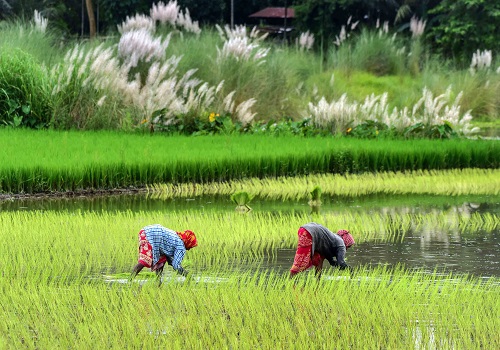
India’s agricultural outlook for 2026 is unfolding under a combination of climatic stress and global supply disruptions. From an unusually intense summer forecast to rising fertilizer market volatility triggered by geopolitical tensions in the Middle East, farmers are entering the new crop cycle facing multiple uncertainties. For a country where agriculture supports nearly half the population and drives rural consumption, these developments could have significant implications for crop production, input costs, and food prices.
Early Heatwaves Signal Stress for Rabi Crops
According to the India Meteorological Department, India is expected to witness a harsh summer between March and May 2026, with above-normal temperatures and a higher number of heatwave days across several regions.
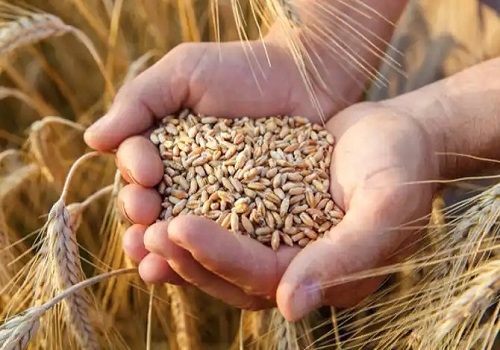
In early March, parts of Northwest India recorded temperatures 4–7°C above seasonal averages, indicating that heatwave conditions have arrived earlier than usual. Such extreme heat during March is particularly concerning for wheat, which is currently in its grain-filling stage in major producing states such as Punjab, Haryana, and Uttar Pradesh.
India harvested nearly 112 million tonnes of wheat in 2025, but excessive heat during the crop’s final growth stage can reduce grain size and yields. A repeat of the 2022 heatwave-like conditions could tighten domestic supply and increase food inflation risks.
Rainfall Deficit Adds to Weather Concerns
While temperatures are rising, rainfall patterns in early 2026 also indicate potential challenges. Weather forecasts suggest below-normal rainfall across parts of North India, particularly in Himachal Pradesh and surrounding regions.
During March:
* Western Himalayan regions may receive scattered rainfall and snowfall during mid-month.
* Northeast India is expected to experience thunderstorms and intermittent rainfall.
Lower rainfall combined with rising temperatures can accelerate soil moisture depletion, increasing irrigation demand and putting additional pressure on groundwater resources before the monsoon season begins.
Oceanic Conditions Point to a Neutral Climate Phase
Large-scale climate drivers also play a critical role in shaping India’s weather patterns.
Current global climate projections suggest:
* La Niña conditions are transitioning toward ENSO-neutral between February and April 2026.
* The Indian Ocean Dipole (IOD) remains neutral.
ENSO-neutral years typically bring more variability in monsoon outcomes. While neutral conditions do not necessarily imply a weak monsoon, they increase uncertainty regarding rainfall distribution across regions.
India receives nearly 70% of its annual rainfall during the southwest monsoon from June to September, making the timing and distribution of monsoon rains crucial for agricultural planning.
Fertilizer Supply Risks from Global Conflict
At the same time that weather risks are emerging, global fertilizer markets are facing disruptions linked to geopolitical tensions in the Middle East.
According to Rabobank research, the conflict has raised concerns about shipping through the Strait of Hormuz, one of the world’s most critical trade routes for energy and fertilizer shipments.
The scale of global fertilizer exposure is significant:
* 25–30% of global nitrogen fertilizer exports pass through the Strait of Hormuz.
* Vessel traffic in the region has already slowed due to security risks and shipping rerouting.
The Middle East is also a major production hub for fertilizers and their inputs. The Rabobank report estimates that the conflict places a substantial portion of global supply at risk:
* 44% of global urea exports
* 27% of ammonia exports
* 25% of phosphate fertilizer exports
* 47% of sulphur exports
Such disruptions could tighten global fertilizer availability and push prices higher.
India’s Dependence on Fertilizer Imports
India is among the largest fertilizer consumers in the world, using around 60 million tonnes of nutrients annually. However, domestic production does not fully meet demand, forcing the country to rely heavily on imports.
Typical annual imports include:
* 7–9 million tonnes of urea
* 5–6 million tonnes of DAP
* 4–5 million tonnes of potash
Overall, India imports roughly 35–40% of its fertilizer requirements, making it vulnerable to global supply disruptions.
Higher global fertilizer prices directly affect India’s fiscal position because the government subsidizes fertilizers to support farmers. In FY2024-25, India’s fertilizer subsidy bill exceeded ?1.75 lakh crore, one of the largest agricultural subsidies globally.
Rising Costs for Farmers
Fertilizers account for a major share of farm input expenses. According to Rabobank estimates, fertilizers represent 40–50% of variable production costs in grain farming.
If global fertilizer prices rise while crop prices remain stable, farmers could face shrinking profit margins. In such situations, farmers may reduce fertilizer application, which can eventually impact crop productivity and yields.
This dynamic has the potential to influence both agricultural output and food prices.
A Critical Agricultural Season Ahead
The convergence of climatic risks and global supply disruptions makes the 2026 agricultural season particularly sensitive for India. Early heatwaves may affect wheat yields, uncertain rainfall patterns could influence water availability, and fertilizer market volatility may increase input costs for farmers.
While the final outcome will depend on the strength and distribution of the upcoming monsoon, the current signals suggest that agriculture could face a challenging start to the year.
As India moves toward the critical monsoon months, the key question for policymakers and farmers alike is whether favorable rainfall and stable input supplies will arrive in time to offset the early heat stress and rising global fertilizer risks.
Above views are of the author and not of the website kindly read disclaimer