Global LNG Disruption as Iran War Hits Qatar Supply by Amit Gupta, Kedia Advisory
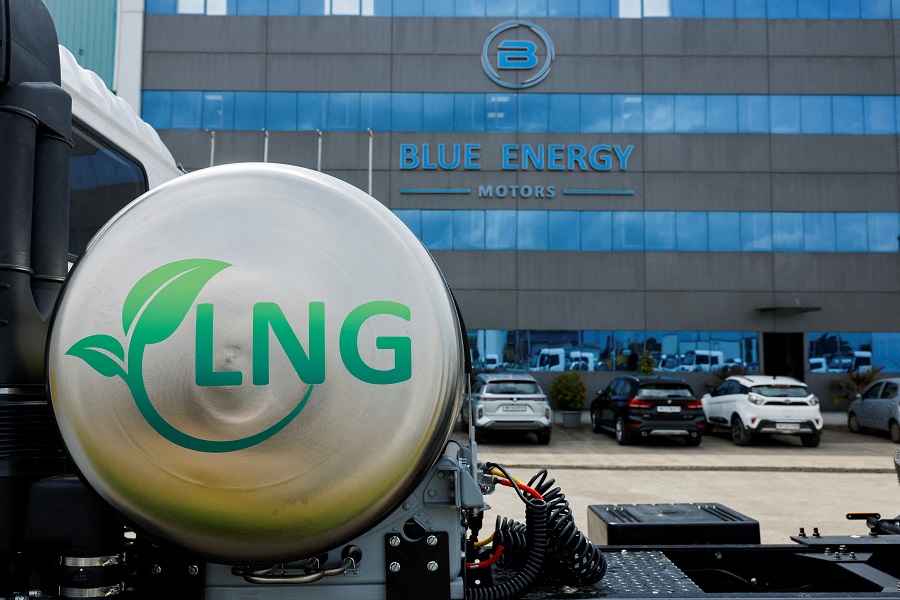
The ongoing Iran war has severely disrupted the global LNG market, triggering a sharp price surge and supply uncertainty. Damage to Qatar’s export infrastructure and the blockade of the Strait of Hormuz have significantly reduced supply forecasts. LNG prices in Asia have surged above affordability levels, forcing price-sensitive nations like India, Pakistan, and Bangladesh to cut demand and switch to alternative fuels. Meanwhile, major buyers such as Japan and South Korea remain resilient due to structural dependence. The crisis is expected to delay new projects and may lead to long-term demand destruction, reshaping global LNG trade dynamics and energy security strategies.
Key Highlights
* Iran war disrupts LNG supply, cutting global outlook by up to 35 million tons
* Asia LNG prices surge 143%, crossing $25/mmBtu and hurting demand
* Qatar infrastructure damage sidelines 12.8 MTPA supply for years
* India, Pakistan, Bangladesh face demand destruction and fuel switching
* Japan, South Korea maintain LNG demand amid limited alternatives
Global LNG prices have witnessed a sharp rally, surging over 140% since late February amid escalating geopolitical tensions involving Iran. Prices have crossed $25 per mmBtu, reaching a three-year high and moving significantly above the $10 threshold that typically supports strong demand from emerging Asian economies.
The rally is primarily driven by a severe supply shock. Iran’s blockade of the Strait of Hormuz, a critical transit route handling nearly 20% of global LNG flows, has disrupted shipments. Simultaneously, damage to Qatar’s liquefaction infrastructure has removed around 12.8 million tons per annum of supply from the market, with recovery timelines extending up to five years. Leading energy consultancies have collectively reduced global LNG supply projections by as much as 35 million tons.
Higher prices are now triggering demand destruction across South and Southeast Asia. Countries like India, Pakistan, and Bangladesh are scaling back LNG imports while shifting towards coal and domestic energy sources. Industrial sectors including fertilizers, petrochemicals, and textiles are witnessing reduced activity due to elevated energy costs.
On the supply side, the United States, despite being the largest LNG exporter, is operating near full capacity with limited spot availability. Long-term contracts restrict its ability to offset the supply gap. Meanwhile, delays in Qatar’s North Field expansion and other global projects are expected to tighten supply further in coming years.
However, demand in North Asia remains relatively stable. Japan and South Korea continue to rely on LNG due to limited domestic alternatives, while China is mitigating risks through diversified energy sourcing, including pipeline gas and renewables.
Finally, the LNG market faces prolonged tightness as supply disruptions and high prices reshape demand patterns, potentially accelerating energy diversification and weakening long-term LNG consumption growth in Asia.
Above views are of the author and not of the website kindly read disclaimer