Global Architecture Travel: Discover Historic and Modern Architectural Wonders
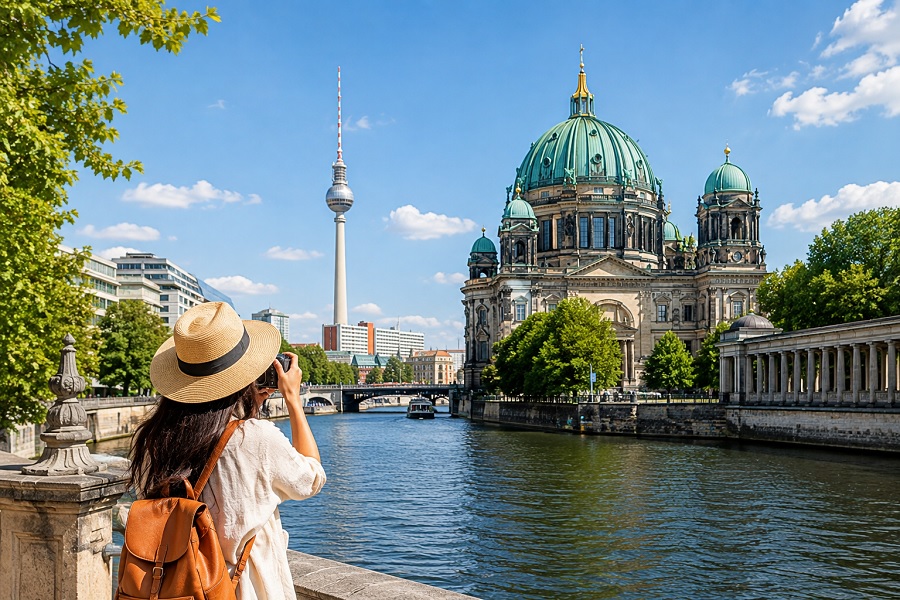
International Architecture Tourism: Exploring the World's Architectural Wonders
Introduction
International Architecture Tourism is a growing form of cultural travel that allows visitors to explore the buildings, monuments, historic districts and urban landscapes that define destinations around the world. Instead of visiting a place only for its natural scenery or entertainment, architecture-focused travelers explore how buildings reflect history, culture, technology, religion and changing lifestyles.
From ancient temples and medieval castles to Art Deco neighborhoods, modern skyscrapers and innovative sustainable buildings, architecture provides travelers with a unique way to understand different societies. UNESCO's World Heritage List includes architectural and historic places across the world that are recognized for their outstanding cultural value.
What Is International Architecture Tourism?
International Architecture Tourism focuses on traveling to destinations specifically to experience architectural landmarks and urban design.
It can include:
Ancient monuments
Historic buildings
Religious architecture
Palaces and castles
Modern architecture
Contemporary museums
Historic city centers
Traditional houses
Bridges and towers
Art Deco buildings
Gothic architecture
Islamic architecture
Buddhist architecture
Colonial architecture
Sustainable buildings
Architectural exhibitions
This type of tourism appeals to architects, students, photographers, historians, designers and travelers who simply enjoy discovering visually and culturally interesting places.
Why Architecture Tourism Is Becoming Popular
Architecture provides a direct connection between travel and local identity. Buildings often reveal how communities responded to climate, available materials, religion, politics, trade and technological development.
Travelers can experience several historical periods within a single city. For example, Mumbai's Victorian Gothic and Art Deco ensembles demonstrate different phases of urban development and combine international architectural influences with Indian adaptations.
Architecture tourism also encourages visitors to explore neighborhoods rather than limiting their trips to traditional tourist attractions.
Ancient Architecture Experiences
Ancient architecture remains one of the strongest attractions for international travelers.
Destinations featuring ancient temples, archaeological sites, pyramids, amphitheaters and historic settlements allow visitors to observe construction techniques and artistic traditions that developed centuries or even thousands of years ago.
Travelers can explore:
Ancient temples
Roman ruins
Greek monuments
Egyptian architecture
Ancient Asian cities
Rock-cut architecture
Archaeological complexes
Historic fortifications
These places offer opportunities to combine sightseeing with history and cultural education.
Medieval Architecture Tourism
Medieval architecture provides another fascinating travel experience.
Historic castles, fortified towns, cathedrals, monasteries and medieval streets can be found throughout Europe, Asia and the Middle East.
Walking through an old city can help travelers understand how people lived, traded and protected their communities in earlier periods.
Historic urban areas can be especially rewarding because the architecture is often integrated with restaurants, markets, museums and cultural attractions.
Religious Architecture Tourism
Religious buildings are among the world's most important architectural landmarks.
Travelers can explore:
Temples
Churches
Mosques
Synagogues
Monasteries
Stupas
Shrines
Cathedrals
Pagodas
Religious architecture often combines structural design with sculpture, painting, calligraphy and decorative arts.
Visitors should always follow local customs and dress requirements when entering religious buildings.
Modern Architecture Tourism
Modern architecture has become an important part of international city tourism.
Skyscrapers, museums, cultural centers, libraries, concert halls and innovative public buildings attract travelers interested in contemporary design.
Modern architecture tourism allows visitors to understand how architects respond to changing technology, urbanization and environmental challenges.
The architectural works of Le Corbusier, for example, span several countries and demonstrate the international development of Modern Movement architecture. UNESCO recognizes 17 sites in seven countries within this transnational World Heritage property.
Contemporary Architecture Experiences
Contemporary architecture offers travelers an opportunity to see experimental approaches to design.
Visitors can explore buildings featuring:
Unusual geometric forms
Sustainable materials
Smart technology
Energy-efficient systems
Green roofs
Innovative façades
Interactive public spaces
Mixed-use designs
Contemporary architecture can transform ordinary city visits into educational and visually engaging experiences.
Architectural Photography Tourism
Architecture is particularly attractive to photography enthusiasts.
Travelers can photograph:
Building façades
Windows and doors
Domes
Towers
Bridges
Staircases
Roof structures
Street perspectives
Interior details
Geometric patterns
Early morning and evening light can create different visual effects on historic and modern buildings.
Visitors should check photography rules before photographing interiors, museums or religious sites.
Historic City Tourism
Some destinations are best understood through their entire urban landscape rather than a single building.
Historic centers can include:
Narrow streets
Traditional houses
Public squares
Markets
Religious buildings
Government buildings
Bridges
Fortifications
UNESCO's World Heritage program includes numerous historic urban areas and architectural ensembles around the world, making heritage cities an important part of international cultural tourism.
Architectural Styles Around the World
One of the most interesting aspects of architecture tourism is the opportunity to compare different architectural styles.
Gothic Architecture
Known for pointed arches, dramatic vertical structures, stained glass and detailed stonework.
Renaissance Architecture
Recognized for symmetry, proportion and renewed interest in classical design.
Baroque Architecture
Often features dramatic forms, elaborate decoration and theatrical interiors.
Islamic Architecture
Known for geometric patterns, domes, courtyards, arches and decorative tilework.
Buddhist Architecture
Includes stupas, monasteries, pagodas and temple complexes with distinctive regional variations.
Colonial Architecture
Reflects the historical interaction of European and local architectural traditions.
Art Deco
Known for geometric forms, streamlined shapes and decorative details.
Modernism
Focuses on functional design, simplified forms and new construction technologies.
Architecture Tourism in Asia
Asia offers extraordinary architectural diversity.
Travelers can explore ancient temples, imperial palaces, Buddhist monasteries, traditional wooden houses, colonial districts and contemporary skyscrapers.
Japan, India, China, Indonesia, Thailand, Singapore, South Korea and Vietnam each provide distinct architectural experiences.
Historic cities and heritage sites along the Silk Roads also demonstrate how architecture and cultural exchange developed across different regions. UNESCO's Silk Roads heritage resources include places such as Hoi An, Ayutthaya, Borobudur and historic centers in Central and West Asia.
Architecture Tourism in Europe
Europe is one of the world's major destinations for architectural travel.
Travelers can experience:
Medieval old towns
Gothic cathedrals
Renaissance palaces
Baroque churches
Art Nouveau buildings
Modernist architecture
Contemporary museums
Cities such as Paris, Rome, Barcelona, Prague, Vienna, Amsterdam, London and Florence offer different architectural identities.
Architecture Tourism in the Middle East
The Middle East provides a rich combination of ancient, Islamic, traditional and contemporary architecture.
Travelers can explore historic mosques, souks, desert settlements, ancient archaeological sites and modern urban developments.
The contrast between historic architecture and contemporary skyscrapers makes several Middle Eastern destinations particularly interesting for architecture enthusiasts.
Architecture Tourism in India
India offers an exceptionally diverse architectural landscape.
Travelers can explore:
Mughal architecture
Rajput architecture
Dravidian temples
Buddhist architecture
Rock-cut caves
Colonial buildings
Indo-Saracenic architecture
Art Deco
Modern Indian architecture
Mumbai is an especially interesting example because its Victorian Gothic and Art Deco ensembles demonstrate two major periods of urban development and include adaptations suited to India's climate.
Sustainable Architecture Tourism
Sustainability is becoming increasingly relevant to architecture and tourism.
Travelers are showing greater interest in buildings that incorporate:
Renewable energy
Natural ventilation
Energy-efficient lighting
Water conservation
Local materials
Green spaces
Passive cooling
Adaptive reuse
Sustainable architectural tourism can also encourage visitors to understand how historic buildings are preserved and adapted for modern use.
UNESCO has highlighted the role of architectural solutions in improving heritage protection, accessibility, interpretation and sustainable tourism management at designated sites.
Architectural Heritage Conservation
Tourism can support heritage preservation when managed responsibly.
Visitor spending can contribute to:
Restoration projects
Museum operations
Local employment
Conservation programs
Community businesses
Cultural education
However, excessive tourism can place pressure on historic structures. Responsible visitor management is therefore important for protecting architectural heritage for future generations.
Architecture Tours and Guided Experiences
Architecture-focused walking tours are an excellent way to understand buildings in greater detail.
Professional guides can explain:
Building history
Architectural styles
Construction methods
Famous architects
Cultural influences
Restoration efforts
Urban development
Travelers can also explore self-guided architecture routes using maps, travel apps and digital resources.
Architecture and Local Culture
Architecture is closely connected to local culture.
Traditional homes often reflect climate and lifestyle. Religious buildings reflect spiritual beliefs. Public buildings can represent political history, while markets and residential neighborhoods reveal everyday life.
For this reason, architecture tourism is not simply about looking at buildings. It is a way to understand the people and societies that created them.
Architecture Tourism for Students
Architecture tourism can be particularly valuable for students of:
Architecture
Interior design
Urban planning
History
Fine arts
Cultural studies
Photography
Travel provides an opportunity to observe real structures, materials, proportions and urban environments that cannot be fully understood through textbooks alone.
Best Practices for Architecture Travelers
Travelers can make their architectural journeys more meaningful by:
Researching the history of important buildings before visiting.
Taking guided architecture tours where available.
Visiting heritage districts on foot.
Respecting photography restrictions.
Following rules at religious sites.
Supporting local guides and heritage businesses.
Avoiding damage to historic structures.
Respecting residential neighborhoods.
Visiting less crowded sites when possible.
Supporting conservation initiatives.
Future of International Architecture Tourism
The future of architecture tourism is likely to combine physical travel with digital technology. Virtual tours, augmented reality, interactive maps and AI-supported interpretation can help visitors understand architectural history in greater detail.
Recent heritage technology research is also exploring AI-assisted systems that can help visitors understand architectural change and strengthen awareness of heritage preservation.
At the same time, newly recognized heritage sites continue to expand the global range of architecture-focused travel. In 2026, UNESCO recognition of the Aalto Works in Finland brought 13 architectural sites associated with Alvar Aalto, Aino Aalto and Elissa Aalto into the World Heritage List, highlighting the continued international importance of modern architecture.
Conclusion
International Architecture Tourism offers travelers a unique way to explore the world through buildings, cities and design. From ancient monuments and religious structures to historic neighborhoods and cutting-edge contemporary buildings, architecture tells stories about human creativity, culture and technological progress.
The experience becomes even more valuable when travelers look beyond famous landmarks and explore the streets, materials, traditions and communities surrounding them.
As sustainable tourism, heritage conservation and digital interpretation continue to develop, architecture tourism is likely to become an increasingly important part of international cultural travel. For travelers who enjoy history, photography, design and cultural discovery, architectural journeys can turn an ordinary vacation into a deeper exploration of the world's built heritage.