Finance Minister Nirmala Sitharaman`s Big MSG on BRICS economies at Tax heads meeting
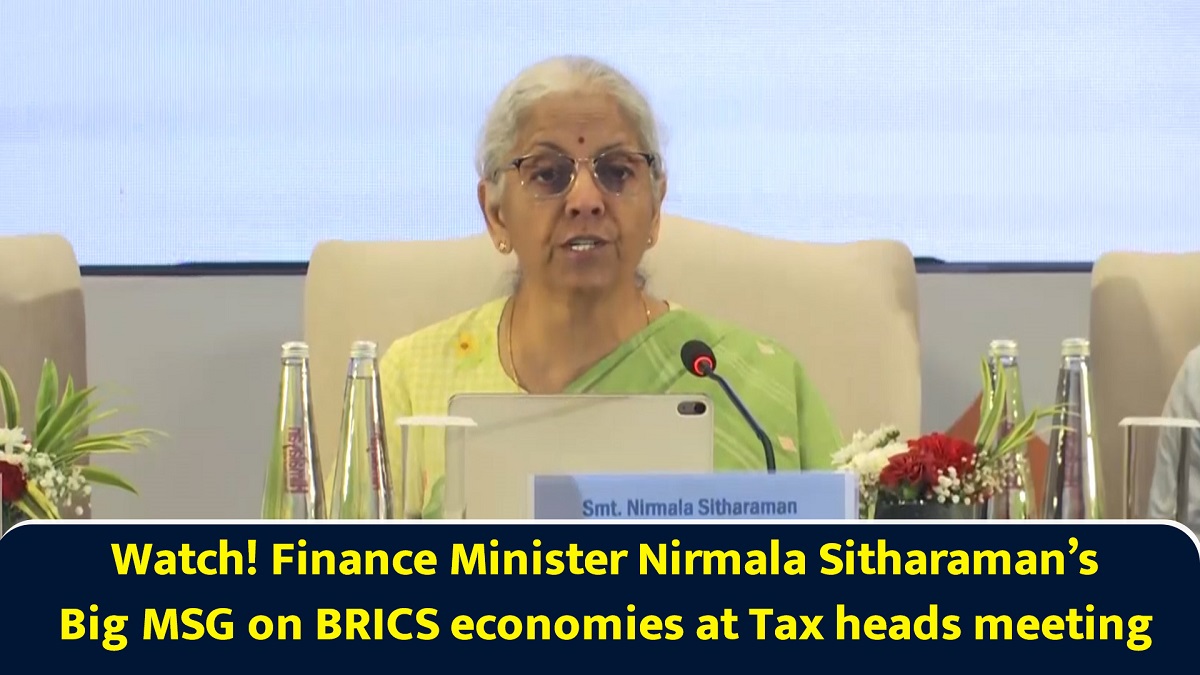
Speaker 1: BRICS economies as source jurisdictions, as large developing economies, as countries that have built significant domestic tax capacity from a low base. The rules of international taxation are being
Speaker 1: renegotiated. The decisions made in these processes over the next few years will shape cross-border taxation. Excellencies, distinguished heads of tax authorities and colleagues.
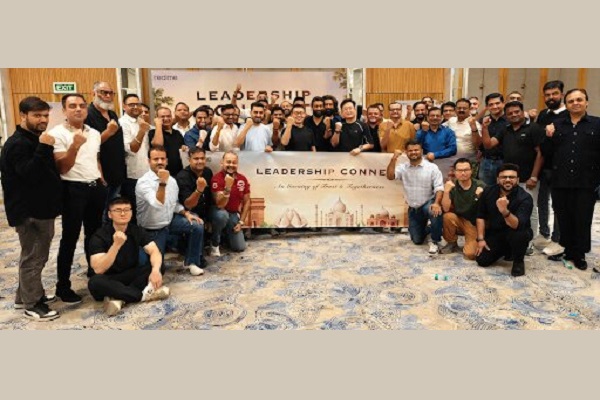
Speaker 1: Welcome to New Delhi
Speaker 1: I want to begin with a question.
Speaker 1: What has brought 10 very different tax administrations?
Speaker 1: from countries that span three continents that speak dozens of languages that have walked very different paths to where they are today into the same room
Speaker 1: with the same purpose for the last several years.
Speaker 1: The answer, I think, is something simpler and more durable than any formal framework.
Speaker 1: a shared recognition that the challenges we face are not ours alone and that the experience of another administration honestly shared is one of the most valuable things our cooperation can offer.
Speaker 1: Look at what has emerged from the BRICS tax track this year.
Speaker 1: And you find three things recurring across everything that has been built.
Speaker 1: technology, the use of data and digital infrastructure to make tax administration more precise, more accessible.
Speaker 1: and less dependent on the discretionary powers of individuals. Administration, the governance structures, the governance structures, the shared standards, and the practical tools that give a cooperation like ours a durable institutional shape.
Speaker 1: and people. The investment in the men and women and the young of our institutions and in the relationships built between the individuals who carry them forward. These are not a program. They are not a plan that anyone designed. They are what?
Speaker 1: has organically emerged when so many working groups, shepherded by different countries, working on different problems, each found their way to the same underlying question: what does it actually take to build a tax administration?
Speaker 1: that works.
Speaker 1: The world's tax administrations are at different speeds.
Speaker 1: and from different starting points, navigating the same transformation.
Speaker 1: from paper-based relationship dependent processes to data driven digitally mediated systems and so on.
Speaker 1: India's experience here
Speaker 1: that is faceless assessment, pre-filled returns, real-time invoice authentication, AI-enabled taxpayer assistance has attracted genuine interest from BRICS partners.
Speaker 1: And we have tried to share it practically through the BRICS tax collaboration tool, rather than merely in principle.
Speaker 1: The tool now carries contributions from across our member countries.
Speaker 1: It is not anyone's country's platform. It belongs to this cooperation.
Speaker 1: Today this meeting will look at the scoping documents as the revenue secretary read out.
Speaker 1: for two new working groups.
Speaker 1: on international taxation and transfer pricing
Speaker 1: And on revenue statistics, I want to say something plainly about the issues that these working groups seek to deal with.
Speaker 1: Transfer pricing disputes cost developing country administration disproportionately.
Speaker 1: Revenue frameworks that don't fit our fiscal realities distort how we are seen and how we see ourselves. These working groups exist because every country in this room has experienced these problems.
Speaker 1: they create the sustained institutional space
Speaker 1: in which progress on them becomes possible.
Speaker 1: Not in one year, but over time, regardless of who holds the chair. They're designed to outlast India's chairship. That is deliberate and the very point of our cooperation.
Speaker 1: The tax collaboration tool, the tax knowledge hub, the cross learning lab, each of these is a working instrument produced by sustained effort across our working groups. The VAT modernization report...
Speaker 1: The HR development index which are under development are also being designed as practical working instruments. The tax support network whose terms of reference we will sign today reaffirms our administration's commitment.
Speaker 1: to promoting ease of doing business across BRICS countries.
Speaker 1: The tax experts have reviewed and refined these over the past two days. They are now ready for your endorsement as tools for all of us to use.
Speaker 1: on people. The first in person BRICS young tax professionals program held at the National Academy of Direct Taxes in Nagpur in April brought together young officials from several uh from seven of our countries.
Speaker 1: for a week of serious technical work
Speaker 1: They came to learn international tax. What they took home was each other, the professional relationships that cut that cut across borders, built at a stage of their careers when they will last a lifetime.
Speaker 1: When disputes arise between our administrations, and they will...
Speaker 1: It matters enormously whether the people on either side of the table have sat in the same classroom, argued over the same problems, and built a level of trust that makes resolution easier.
Speaker 1: Women in Tax Network has this year moved from aspiration to institution.
Speaker 1: four active subgroups, sustained programming, and a community of women tax professionals across BRICS who recognize each other as peers and invest in each other's growth and also ready to engage with women outside the tax administration.
Speaker 1: That too is institution building for the most
Speaker 1: durable kind.
Speaker 1: I want to close with one observation about the largest significance of this work. The rules of international taxation are being renegotiated.
Speaker 1: There are several multilateral tax negotiations including the UN Framework Convention on International Tax Cooperation.
Speaker 1: under active negotiation.
Speaker 1: The decisions made in these processes over the next few years will shape cross-border taxation for a generation.
Speaker 1: BRICS economies as source jurisdictions, as large developing economies, as countries that have built significant domestic tax capacity from a low base, have a perspective on those negotiations and that is essential to their fairness.
Speaker 1: and their durability. What we decide upon today is not the purpose of India's chairship. It is meant to build on what has been achieved so far and what can be the foundation that the next chair inherits.
Speaker 1: I'm proud of what this corporation has built. I'm grateful to each of your governments for the seriousness and the goodwill you have brought to it. And I commend today's agenda to this meeting with conviction. Thank you very much.