Eye Care Medical Tourism: A Complete Guide to Affordable Vision Treatment Abroad
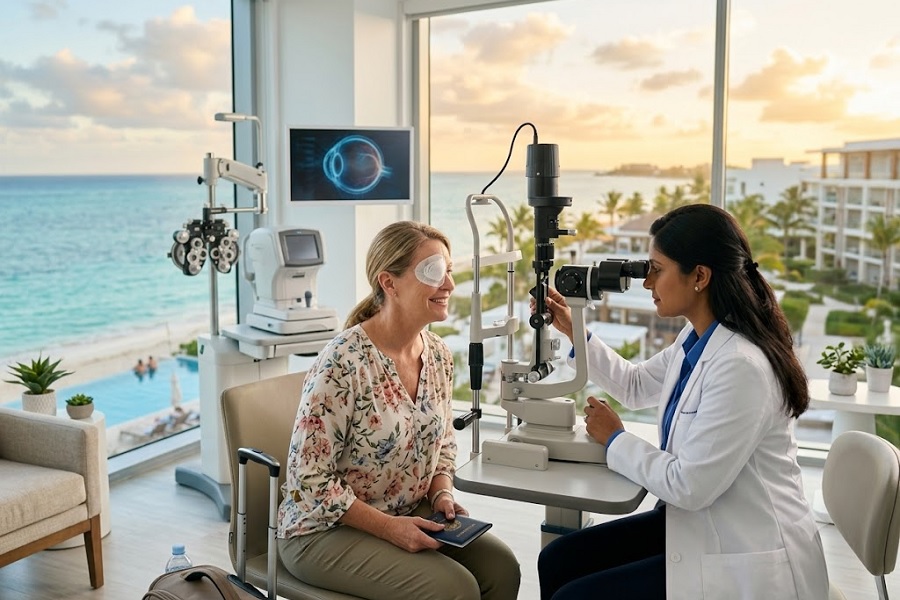
Eye Care Medical Tourism: A Complete Guide to Affordable Vision Treatment Around the World
Introduction
Eye Care Medical Tourism has become one of the fastest-growing sectors in global healthcare. Every year, millions of people travel abroad to receive high-quality eye treatments at affordable prices. Advances in ophthalmology, modern surgical technology, internationally accredited hospitals, and experienced eye specialists have made medical tourism an attractive option for patients seeking better vision and lower healthcare costs.
Whether it is cataract surgery, LASIK vision correction, glaucoma treatment, retinal surgery, or corneal transplantation, medical tourists can often access world-class treatment while also enjoying a comfortable travel experience.
What Is Eye Care Medical Tourism?
Eye Care Medical Tourism refers to traveling to another city or country to receive specialized ophthalmic care. Patients choose medical tourism because it often offers:
Affordable treatment costs
Highly qualified ophthalmologists
Modern medical technology
Shorter waiting times
Internationally recognized hospitals
Comprehensive medical travel packages
Many healthcare providers also offer accommodation assistance, airport transfers, language support, and post-treatment follow-up services.
Why Eye Care Medical Tourism Is Growing
Several factors are driving the popularity of eye care medical tourism worldwide.
Affordable Treatment
Many countries provide advanced eye procedures at significantly lower prices than patients may find elsewhere, while maintaining high standards of care.
Advanced Medical Technology
Leading eye hospitals use modern equipment such as:
Femtosecond laser systems
Excimer lasers
Optical Coherence Tomography (OCT)
Digital retinal imaging
AI-assisted diagnostic tools
Robotic surgical support in selected procedures
Experienced Eye Specialists
Many ophthalmologists have international training and extensive experience in performing thousands of successful eye surgeries.
Faster Appointments
Medical tourists often receive consultations and procedures much sooner than in healthcare systems with long waiting lists.
Popular Eye Treatments for Medical Tourists
1. LASIK Vision Correction
LASIK surgery reshapes the cornea to reduce dependence on glasses or contact lenses.
Common benefits include:
Quick recovery
Improved vision
Minimal discomfort
High success rates for suitable candidates
2. Cataract Surgery
Cataracts are one of the leading causes of vision impairment worldwide.
Modern cataract surgery involves:
Removal of the cloudy lens
Implantation of an artificial intraocular lens (IOL)
Small-incision surgical techniques
Fast recovery in most patients
Premium lens options can also help reduce dependence on glasses.
3. Glaucoma Treatment
Glaucoma damages the optic nerve due to increased eye pressure.
Treatment options include:
Prescription medications
Laser therapy
Minimally invasive glaucoma surgery (MIGS)
Conventional glaucoma surgery
Early diagnosis is important to help preserve vision.
4. Retina Surgery
Retinal specialists treat conditions such as:
Retinal detachment
Diabetic retinopathy
Macular holes
Epiretinal membranes
Vitreous disorders
Modern vitrectomy procedures have improved precision and recovery.
5. Corneal Transplant Surgery
Patients with damaged or diseased corneas may benefit from corneal transplantation or partial-thickness corneal procedures, depending on the condition.
6. Pediatric Eye Care
Children can receive treatment for:
Squint (strabismus)
Congenital cataracts
Lazy eye (amblyopia)
Pediatric refractive errors
Early treatment can improve long-term visual outcomes.
Common Eye Conditions Treated
Eye care medical tourism includes treatment for:
Cataracts
Refractive errors
Glaucoma
Retinal diseases
Corneal disorders
Dry eye disease
Keratoconus
Diabetic eye disease
Macular degeneration
Pediatric eye conditions
Benefits of Eye Care Medical Tourism
Cost Savings
Patients often find lower treatment costs compared to many high-cost healthcare systems.
High-Quality Healthcare
Many hospitals feature:
International accreditation
Modern operating rooms
Advanced imaging equipment
Comprehensive eye diagnostic centers
Personalized Care
International patient departments frequently assist with:
Medical consultations
Treatment planning
Interpreter services
Accommodation arrangements
Follow-up scheduling
Opportunity to Recover Comfortably
Some patients combine medical treatment with a short recovery stay in a peaceful environment, provided it is approved by their doctor.
Countries Known for Eye Care Medical Tourism
Several countries are recognized for advanced ophthalmology services, including:
India
Thailand
Singapore
South Korea
Türkiye
Germany
Spain
United Arab Emirates
Malaysia
Each destination offers different strengths, treatment specialties, and pricing.
How to Choose the Right Eye Hospital
Before selecting a hospital, consider:
Hospital accreditation
Qualifications and experience of ophthalmologists
Success rates for the specific procedure
Modern diagnostic and surgical technology
Patient reviews
Infection control standards
Transparent treatment costs
Availability of post-operative care
Preparing for Medical Travel
Before traveling:
Obtain a complete eye examination.
Carry previous medical records and eye scans.
Discuss travel fitness with your ophthalmologist.
Understand the treatment plan and recovery period.
Confirm follow-up requirements before returning home.
Arrange travel insurance if appropriate.
Recovery After Eye Surgery
Recovery depends on the procedure performed.
Patients should generally:
Use prescribed eye drops.
Avoid rubbing the eyes.
Wear protective eyewear if recommended.
Attend scheduled follow-up appointments.
Avoid swimming and dusty environments during the early recovery period if advised.
Follow all instructions provided by the treating surgeon.
Future Trends in Eye Care Medical Tourism 2026
AI-Assisted Diagnostics
Artificial intelligence is improving the early detection of retinal diseases, glaucoma, and diabetic eye conditions.
Advanced Laser Procedures
New laser technologies continue to improve precision and patient comfort.
Tele-Ophthalmology
Virtual consultations make it easier for international patients to communicate with specialists before and after treatment.
Personalized Vision Correction
Customized surgical planning based on detailed eye mapping is becoming increasingly common.
Digital Patient Care
Hospitals are expanding online appointment scheduling, electronic health records, and remote follow-up services.
Tips for Safe Eye Care Medical Tourism
Choose accredited hospitals.
Verify the surgeon's credentials and experience.
Ask about expected outcomes and possible risks.
Understand all treatment costs before booking.
Follow medical advice before and after surgery.
Schedule enough recovery time before traveling home.
Conclusion
Eye Care Medical Tourism offers patients access to advanced vision treatments, experienced specialists, and modern healthcare facilities at competitive costs. Whether seeking LASIK, cataract surgery, glaucoma management, retinal care, or other ophthalmic services, careful planning and choosing a reputable medical center can help patients receive high-quality care.
As technology continues to advance and international healthcare becomes more connected, eye care medical tourism is expected to remain one of the most important and trusted areas of global medical travel.