Exploring Cosmetic Surgery Tourism: Treatment, Travel and Recovery
Cosmetic Surgery Tourism: A Complete Guide for International Travelers
Introduction
Cosmetic Surgery Tourism, also known as cosmetic medical tourism, refers to traveling to another city or country to undergo elective cosmetic procedures while combining treatment with travel. The growing availability of international clinics, experienced specialists, and competitive treatment costs has made this form of tourism increasingly popular.
People may travel internationally for procedures such as rhinoplasty, liposuction, breast surgery, facelifts, hair restoration, and other aesthetic treatments. However, cosmetic surgery tourism requires careful planning because medical treatment should always take priority over the tourism experience.
A successful trip depends on choosing qualified healthcare professionals, understanding the risks, planning adequate recovery time, and arranging proper follow-up care.
What Is Cosmetic Surgery Tourism?
Cosmetic surgery tourism involves traveling away from a person's usual place of residence to receive elective aesthetic medical or surgical treatment.
A typical cosmetic surgery tourism journey may include:
Researching hospitals and clinics
Consulting with qualified surgeons
Understanding the recommended procedure
Planning travel and accommodation
Undergoing treatment
Completing the required recovery period
Attending follow-up appointments
Returning home when medically cleared
Unlike an ordinary vacation, cosmetic surgery tourism involves important medical decisions. Therefore, the destination should never be chosen based only on price or sightseeing opportunities.
Why Do People Choose Cosmetic Surgery Tourism?
1. Access to Specialized Treatment
Some destinations have clinics and surgeons specializing in particular cosmetic procedures. International patients may travel to access specific expertise or technologies.
2. Different Treatment Costs
Treatment prices can vary significantly between countries and cities. However, a lower price should not be the main reason for selecting a provider.
Travelers should consider the complete cost, including:
Medical consultation
Surgeon fees
Hospital or clinic charges
Anesthesia
Medicines
Accommodation
Transportation
Recovery-related expenses
Follow-up care
3. Privacy and Personal Space
Some people prefer receiving cosmetic treatment away from their home environment. Traveling may provide privacy during the recovery period.
4. Combining Recovery With Travel
Certain patients may choose destinations with comfortable accommodation and relaxing environments. However, sightseeing and activities should only be planned according to medical advice.
Recovery should always come before tourism activities.
Popular Cosmetic Procedures Among Medical Travelers
Cosmetic surgery tourism can involve a wide range of procedures.
Facial Procedures
Popular facial procedures may include:
Rhinoplasty
Facelift procedures
Eyelid surgery
Chin and facial contouring procedures
Body Contouring Procedures
Some travelers seek procedures such as:
Liposuction
Tummy tuck surgery
Body contouring treatments
Breast Procedures
Depending on individual needs and medical suitability, cosmetic travelers may seek:
Breast augmentation
Breast reduction
Breast lift procedures
Hair Restoration
Hair restoration and transplantation are also commonly associated with medical tourism in some destinations.
Every procedure has different risks, recovery requirements, and suitability criteria. A qualified medical professional should determine whether a procedure is appropriate for an individual patient.
Choosing the Right Cosmetic Surgery Destination
Selecting a destination requires more than comparing prices.
Check Professional Qualifications
Research the surgeon's education, professional credentials, experience, and relevant specialist training.
Verify the Medical Facility
Look for reputable hospitals or clinics that follow recognized safety and quality standards.
Understand Communication Arrangements
International patients should clearly understand:
The procedure being recommended
Expected benefits
Possible complications
Recovery requirements
Total costs
Follow-up arrangements
Professional communication is essential before making a decision.
Avoid Unrealistic Promises
Be cautious of advertisements that guarantee perfect results or promise completely risk-free surgery.
All surgical procedures carry potential risks, and results can vary from person to person.
The Importance of Medical Consultation
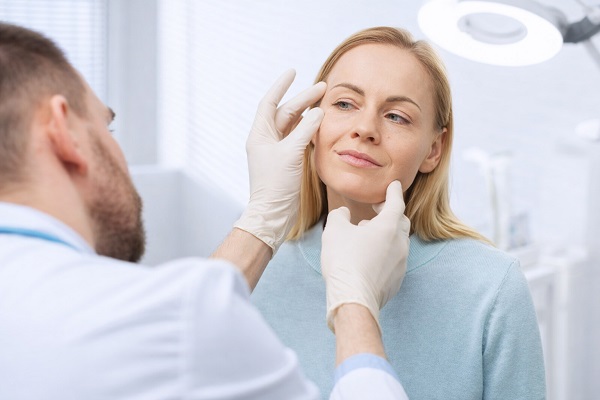
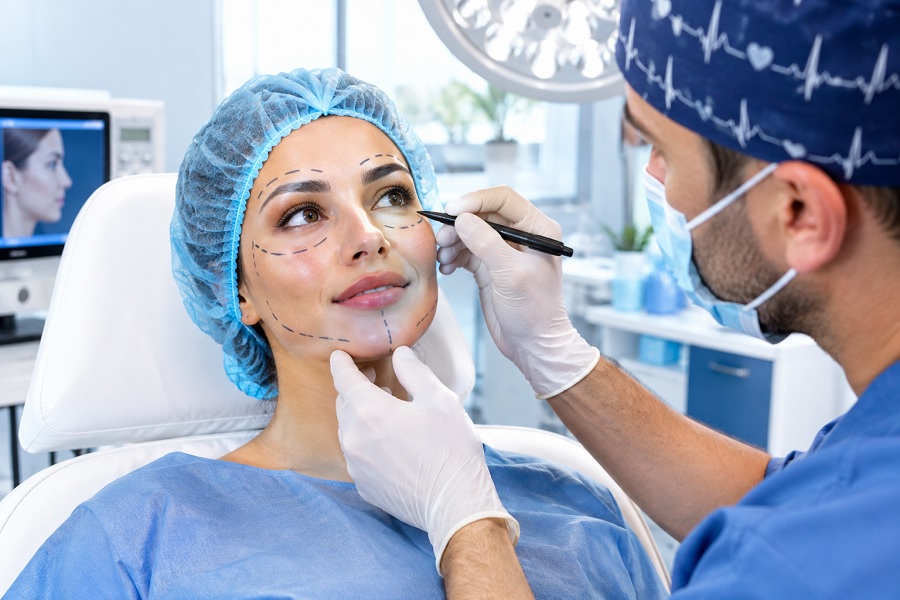
A proper consultation is one of the most important parts of cosmetic surgery tourism.
Before treatment, patients should discuss:
Their medical history
Previous surgeries
Current medications
Allergies
Personal expectations
Possible risks
Recovery requirements
Patients should also understand that photographs, online advertisements, and social media content may not accurately predict individual results.
A qualified surgeon should explain realistic expectations and provide information that allows the patient to make an informed decision.
Planning Travel and Recovery
Travel planning should be based on medical requirements.
Allow Enough Recovery Time
Returning home immediately after surgery may increase risks and make it difficult to receive appropriate follow-up care.
Patients should ask their medical team:
How long they should remain near the clinic
When it is medically appropriate to travel
Whether flying is suitable
What symptoms require urgent medical attention
Choose Comfortable Accommodation
Accommodation should be suitable for recovery. Consider:
Distance from the clinic
Easy transportation
Comfortable sleeping arrangements
Availability of food and essential supplies
Access to medical assistance if needed
Travel With a Support Person When Appropriate
Depending on the procedure and medical advice, having a trusted companion may provide practical support during recovery.
Understanding the Risks
Cosmetic surgery is still surgery, even when it is elective.
Potential risks can include:
Infection
Bleeding
Blood clots
Reactions to anesthesia
Delayed healing
Unsatisfactory results
Surgical complications
Travel can create additional challenges, including limited access to the original surgeon after returning home.
Patients should have a clear plan for follow-up care and understand what support is available if complications occur.
Cosmetic Surgery Tourism Safety Tips
Research Carefully
Do not rely only on advertisements, influencer promotions, or extremely low prices.
Ask Detailed Questions
Before booking, ask about:
The surgeon's qualifications
Facility standards
Procedure details
Anesthesia arrangements
Emergency facilities
Recovery requirements
Follow-up care
Understand the Complete Cost
Ask for a clear explanation of what is included and what may involve additional charges.
Get Appropriate Travel Insurance Information
Standard travel insurance may not cover elective medical procedures or complications related to them. Travelers should carefully review insurance terms before traveling.
Follow Medical Advice
Patients should follow all instructions regarding medication, rest, wound care, physical activity, and travel.
Recovery and Follow-Up Care
Recovery does not end when the traveler leaves the clinic.
Patients should have a clear plan for:
Post-operative appointments
Medication
Wound care
Emergency contact information
Follow-up care after returning home
It is also useful to discuss follow-up arrangements with an appropriate healthcare professional at home before traveling.
Ethical and Responsible Cosmetic Surgery Tourism
Responsible cosmetic surgery tourism means making health and safety the priority.
Patients should avoid making rushed decisions based on:
Flash discounts
Social media pressure
Unrealistic beauty standards
Limited-time promotions
Cosmetic surgery is a personal medical decision and should be considered carefully.
A responsible approach includes researching providers, understanding risks, allowing adequate recovery time, and seeking qualified medical advice.
The Future of Cosmetic Surgery Tourism
Technology, international healthcare services, and digital consultations are changing how people research cosmetic treatments abroad.
Future trends may include:
Improved virtual consultations
More personalized treatment planning
Advanced surgical technologies
Better international patient coordination
Digital follow-up systems
Greater focus on safety and quality standards
However, technology does not replace the importance of qualified medical professionals, appropriate facilities, and careful patient evaluation.
Conclusion
Cosmetic Surgery Tourism offers international travelers access to aesthetic procedures and specialized healthcare services in destinations around the world. However, it should never be treated like an ordinary vacation.
The most important factors are patient safety, qualified medical professionals, realistic expectations, adequate recovery time, and reliable follow-up care.
Before making any decision, travelers should thoroughly research their options, discuss their situation with appropriately qualified healthcare professionals, and understand both the benefits and potential risks.
With careful planning and a safety-first approach, medical travelers can make more informed decisions about cosmetic treatment abroad.