Dental Tourism Insurance Trends: New Protection Options for International Dental Travelers
Dental Tourism Insurance Trends: Understanding Protection for International Dental Travel
Introduction
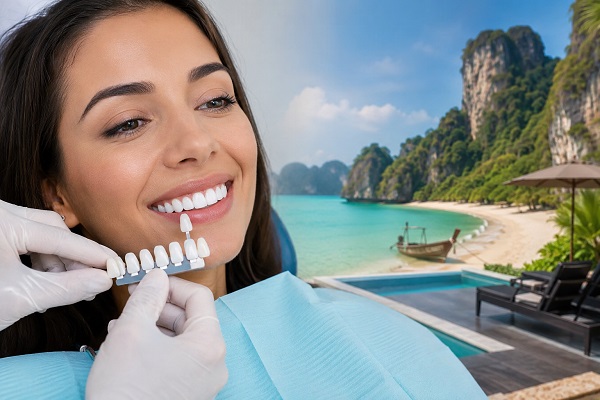
Dental tourism is becoming an increasingly important part of international healthcare travel. Patients may travel abroad for treatments such as dental implants, crowns, veneers, orthodontics and other procedures because of differences in treatment costs, availability and waiting times.
The global dental tourism market is projected by Future Market Insights to reach approximately US$11.4 billion in 2026, with dental implants identified as a leading treatment segment.
As more patients travel internationally for dental care, insurance and financial protection are becoming important parts of the planning process. However, one of the biggest misconceptions is that ordinary travel insurance automatically covers planned dental treatment.
In many cases, it does not.
What Is Dental Tourism Insurance?
Dental tourism insurance refers broadly to insurance or other financial protection arrangements relevant to people traveling abroad specifically for dental care.
This can involve:
Travel medical insurance
Emergency dental benefits
Specialized medical travel insurance
Treatment complication coverage
Trip cancellation protection
Medical evacuation or repatriation
Clinic treatment guarantees
Other financial protection arrangements
These forms of protection should not be treated as interchangeable. A standard travel policy may cover an unexpected dental emergency during a trip while excluding the planned dental procedure that was the reason for traveling.
Why Dental Tourism Insurance Is Becoming More Important
Dental tourism can involve substantial financial commitments. Patients may pay for treatment, flights, hotels, transportation and additional visits.
A complication can potentially create additional costs for:
Emergency treatment
Additional dental procedures
Hospital care
Longer accommodation
Changing flights
Returning to the destination
Follow-up treatment at home
Recent 2026 guidance on dental travel insurance continues to highlight the gap between ordinary travel insurance and planned dental treatment.
This makes understanding insurance terms an essential part of responsible dental tourism planning.
Standard Travel Insurance May Not Cover Planned Dental Treatment
One of the most important trends is greater awareness about exclusions.
If a traveler purchases a policy after deciding to travel abroad specifically for implants, veneers or another planned procedure, the policy may not cover the procedure itself.
Some policies can also exclude complications associated with elective treatment.
Travel insurance is generally designed primarily around unexpected events rather than planned medical procedures.
Travelers should therefore never assume that the words "medical coverage" or "dental coverage" mean their planned treatment is insured.
Emergency Dental Coverage
Emergency dental coverage is different from planned dental treatment coverage.
A travel insurance policy may provide limited assistance if a traveler experiences an unexpected dental emergency while abroad, depending on the policy.
Examples can include:
Sudden severe tooth pain
Dental infection
Accidental dental injury
Emergency pain relief
Medically necessary emergency dental treatment
For example, a 2026 Tata AIG international travel policy document describes emergency dental expenses for medically necessary filling or surgical treatment, subject to policy limits and conditions.
The exact benefit, limit, exclusions and claim requirements depend on the individual policy.
Planned Dental Procedures and Insurance Exclusions
Planned treatments are often the biggest area of confusion.
Common procedures that may be excluded from standard travel insurance include:
Dental implants
Veneers
Crowns
Bridges
Cosmetic dentistry
Orthodontic treatment
Smile makeovers
Routine dental cleaning
Elective dental surgery
A current 2026 international travel insurance policy example lists several exclusions involving bridges, crowns, orthodontics, cosmetic treatment and routine dental care.
This illustrates why travelers should read the policy wording rather than relying on general descriptions of "dental cover."
Dental Treatment Complications
Complications are another major issue in dental tourism insurance.
A traveler may assume that if something goes wrong after treatment abroad, travel insurance will pay for corrective treatment.
That assumption may be incorrect.
Some policies specifically exclude complications arising from planned or elective treatment. Specialized products may offer different protection, but coverage conditions vary.
Before treatment, travelers should ask the insurer in writing:
Are complications from planned dental treatment covered?
Is emergency hospital treatment covered?
Is corrective dental work covered?
Is treatment required after returning home covered?
Are additional flights covered?
Is additional accommodation covered?
Written confirmation is preferable to relying on verbal assurances.
Pre-Existing Dental Conditions
Pre-existing conditions can create another insurance challenge.
If a dental problem existed before the trip, the insurer may consider it a pre-existing condition depending on the policy wording.
Travelers should disclose relevant conditions accurately and ask whether they affect eligibility or coverage.
Important questions include:
Does the policy cover pre-existing dental problems?
Is an existing infection excluded?
Are previous dental procedures relevant?
Does planned treatment affect eligibility?
Are complications connected to an existing condition excluded?
Full disclosure can help reduce disputes during a claim.
Clinic Guarantees Are Different from Insurance
A clinic guarantee and an insurance policy are not the same thing.
A dental clinic may provide a written guarantee for certain treatments, subject to its own terms and conditions.
Such a guarantee may address issues relating to the dental work itself, while travel insurance may address unrelated travel risks or eligible emergencies.
Patients should obtain the clinic's guarantee in writing and understand:
What treatment is covered
Duration of the guarantee
What complications are included
What is excluded
Whether travel is required for corrective treatment
Who pays for flights and accommodation
Whether the guarantee remains valid after returning home
This distinction is becoming increasingly important as dental tourism grows.
The Rise of Treatment-Specific Protection
As dental tourism expands, there is growing interest in protection specifically designed around medical travel.
Such products can potentially address areas that ordinary travel insurance does not fully address.
Depending on the provider and policy, specialized coverage may consider:
Treatment complications
Medical evacuation
Additional accommodation
Trip interruption
Treatment-related emergencies
Follow-up requirements
However, travelers should carefully examine eligibility requirements, exclusions, limits and claim procedures before purchasing any policy.
Digital Insurance and Online Policy Management
Digital services are also changing how international patients manage travel protection.
Travelers increasingly expect to be able to:
Purchase policies online
Receive digital policy documents
Contact insurers electronically
Submit documents digitally
Track claims online
Store medical information securely
Digital convenience can be especially useful for dental tourists who are coordinating treatment, travel and accommodation across different countries.
Insurance and the Growth of Dental Tourism Destinations
Countries competing for international dental patients are increasingly emphasizing quality, certification and patient confidence.
Costa Rica, for example, certified its first dental tourism clinics in 2026 as part of efforts to strengthen its dental tourism offering. The country's professional dental organization also provides a public register for checking whether dentists are licensed and in good standing.
Such developments show how transparency and verification can become important alongside price when patients choose international dental providers.
Comparing Insurance Before a Dental Trip
Travelers should compare policies based on actual coverage rather than price alone.
A useful comparison can include:
Insurance Feature What to Check
Emergency dental care Coverage amount and conditions
Planned treatment Whether specifically excluded
Complications Whether elective-treatment complications are covered
Pre-existing conditions Disclosure requirements
Hospital treatment Limits and eligibility
Medical evacuation Geographic and medical restrictions
Trip cancellation Covered reasons
Trip interruption Covered circumstances
Accommodation Whether additional nights are covered
Claims Required documents and deadlines
Documents Dental Tourists Should Keep
Good documentation can make the claims process easier.
Travelers should consider keeping copies of:
Insurance policy
Policy schedule
Dental treatment plan
Dentist's diagnosis
Cost estimate
Invoices
Payment receipts
X-rays and scans
Prescriptions
Medical reports
Clinic guarantee
Travel tickets
Hotel receipts
Emergency treatment records
Important medical documents should be stored securely, with digital backups where appropriate.
Questions to Ask an Insurer Before Traveling
Before booking treatment, ask the insurer clear questions.
1. Is dental treatment the purpose of my trip allowed under this policy?
Some policies may have specific restrictions.
2. Is planned dental treatment covered?
Do not assume it is.
3. Are complications from planned dental treatment covered?
This is one of the most important questions.
4. Is emergency dental treatment covered?
Ask for the exact monetary limit.
5. What happens if I need hospital treatment?
Find out whether hospitalization related to dental complications is covered.
6. Does the policy cover additional accommodation?
A complication may require a longer stay.
7. Does it cover a changed or replacement flight?
Check whether travel changes related to medical circumstances qualify.
8. What documentation is required for a claim?
Knowing this before traveling can prevent problems later.
Choosing a Dental Tourism Provider
Insurance should not replace careful clinic selection.
Travelers should research:
Dentist qualifications
Professional registration
Clinic accreditation
Treatment experience
Recent patient reviews
Infection-control practices
Treatment plan
Total cost
Follow-up arrangements
Written guarantees
Emergency support
Recent concerns surrounding poor outcomes from some overseas cosmetic dental procedures demonstrate why travelers should assess clinical quality rather than choosing a provider solely on price.
Dental Tourism Insurance Trends in 2026
Several developments are shaping the sector.
Greater Awareness of Insurance Gaps
Patients are becoming more aware that ordinary travel insurance may not protect planned dental treatment.
Demand for Specialized Protection
As dental tourism becomes more established, interest in treatment-specific protection is increasing.
Greater Focus on Complications
Travelers are paying more attention to what happens if treatment does not go as planned.
Increased Provider Verification
Patients are increasingly looking for licensed dentists, recognized clinics and transparent treatment information.
Digital Insurance Services
Online purchasing, electronic documents and digital claims are becoming increasingly important to international travelers.
More Focus on Total Treatment Cost
Patients are increasingly considering insurance, travel, accommodation and follow-up expenses alongside the advertised dental treatment price.
Tips for Safer Dental Tourism
Travelers can reduce avoidable risks by following a few basic principles:
Research the dentist and clinic carefully.
Verify professional registration where possible.
Obtain a written treatment plan.
Ask for a complete price breakdown.
Read insurance exclusions carefully.
Tell the insurer that planned dental treatment is the purpose of the trip.
Ask for written confirmation of coverage.
Obtain a written clinic guarantee.
Keep copies of all medical and financial documents.
Plan for possible follow-up treatment.
Avoid making decisions based solely on extremely low prices.
Allow adequate recovery time rather than planning an immediate return flight.
The Future of Dental Tourism Insurance
The future of dental tourism insurance is likely to focus increasingly on specialized patient protection.
As international dental travel expands, patients may expect more integrated services connecting dental clinics, insurers, travel providers and accommodation.
The wider medical tourism sector is also moving toward integrated healthcare travel ecosystems that combine treatment, travel coordination, accommodation and post-treatment support.
For dental tourists, the most valuable development will be greater transparency about exactly what is and is not protected.
Conclusion
Dental tourism can provide access to international dental care, but financial planning should go beyond comparing treatment prices.
Insurance is an important part of that planning, yet standard travel insurance frequently does not cover planned dental procedures and may also restrict coverage for complications arising from elective treatment.
The best approach is to carefully compare insurance terms, disclose the purpose of travel, obtain written confirmation of coverage and understand the difference between travel insurance and a clinic's treatment guarantee.
As dental tourism continues to grow in 2026, clear insurance coverage, verified healthcare providers and responsible financial planning will become increasingly important for international dental travelers.
Important: Insurance coverage varies by insurer, country and policy. This article is for general informational purposes and should not be treated as insurance, medical or legal advice. Travelers should read their actual policy documents and confirm coverage directly with the insurer before booking treatment.