Common Driving Habits That Can Damage Your Car
Driving regularly can make certain habits feel completely normal. However, some everyday driving behaviors can gradually put unnecessary stress on your car and increase maintenance costs.
While occasional mistakes are unlikely to cause serious damage, repeatedly driving in the wrong way can affect components such as the clutch, brakes, tyres, suspension, engine, and transmission.
Here are some common driving habits that can damage your car over time.
1. Resting Your Foot on the Clutch
For cars with manual transmissions, keeping your foot partially pressed on the clutch while driving can cause unnecessary clutch wear.
Even slight pressure can prevent the clutch from fully engaging and may increase friction between components.
Use the clutch only when necessary and keep your foot on the footrest when you are not changing gears.
2. Riding the Brakes Downhill
Some drivers continuously press the brake pedal while going downhill.
Holding the brakes for a long period can generate excessive heat and may reduce braking performance.
Instead, use appropriate lower gears when suitable and apply the brakes in a controlled manner.
3. Accelerating Aggressively All the Time
Frequent hard acceleration can put additional stress on the engine, transmission, tyres, and other components.
It can also increase fuel consumption.
Smooth and progressive acceleration is generally better for everyday driving and can make your driving more comfortable.
4. Ignoring Warning Lights
Dashboard warning lights should not be ignored.
A warning light can indicate anything from a minor issue to a potentially serious mechanical problem. Continuing to drive without checking the problem may allow a small issue to become more expensive.
If an important warning light appears, consult your vehicle's manual or have the car inspected by a qualified professional.
5. Driving Over Potholes at High Speed
Potholes can be particularly hard on a vehicle's tyres, wheels, suspension, and steering components.
Hitting them at high speed increases the impact force.
Whenever possible, slow down before reaching a pothole and avoid sudden steering movements.
6. Carrying Unnecessary Weight
Keeping heavy and unnecessary items in your car increases the load the vehicle has to move.
Extra weight can contribute to higher fuel consumption and place additional demands on components such as the suspension and brakes.
Regularly check your boot and remove items you do not need.
7. Delaying Tyre Checks
Tyres are one of the most important safety components of a car.
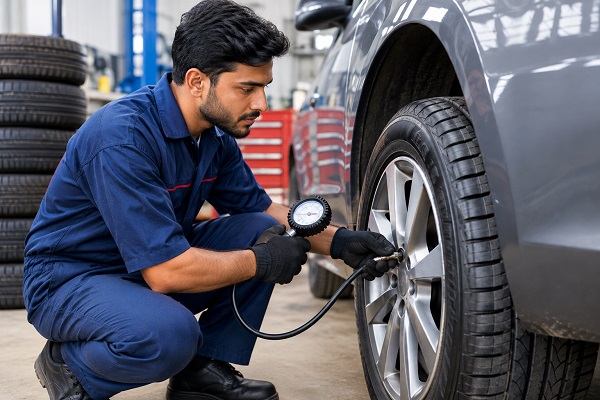
Driving with incorrect tyre pressure, uneven wear, or damaged tyres can affect handling, braking, fuel efficiency, and tyre life.
Check tyre pressure regularly according to the manufacturer's recommended specifications and inspect the tyres for visible damage or unusual wear.
8. Shifting Gears Incorrectly
Incorrect gear changes can put unnecessary stress on the transmission.
In manual cars, forcing a gear change or repeatedly using the wrong gear can increase wear. In automatic cars, shifting between drive and reverse while the vehicle is still moving can also be harmful to the transmission.
Always follow the recommended operating procedure for your vehicle.
9. Driving With an Overheated Engine
Ignoring signs of engine overheating can result in serious damage.
If the temperature warning appears or the engine begins showing signs of overheating, continuing to drive can make the problem significantly worse.
Stop safely when appropriate and allow the vehicle to be inspected rather than continuing to drive with an overheating engine.
10. Skipping Regular Maintenance
One of the biggest mistakes car owners can make is delaying routine maintenance.
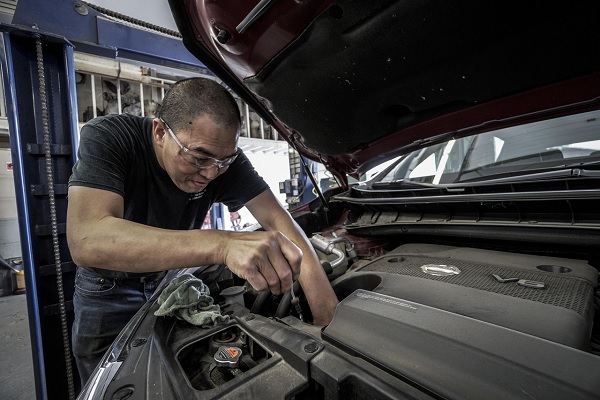
Oil changes, fluid checks, brake inspections, tyre checks, and other scheduled maintenance help identify problems before they become more serious.
Always follow the maintenance schedule recommended by the vehicle manufacturer.
11. Using the Wrong Fuel
Putting the wrong type of fuel into a vehicle can cause serious problems.
If you accidentally use incorrect fuel, do not simply continue driving. The appropriate response can depend on the vehicle and the type of fuel involved, so professional assistance may be necessary.
Being careful at the fuel station can prevent an expensive mistake.
12. Driving With the Parking Brake Partially Engaged
Driving with the parking brake engaged, even partially, can generate unnecessary heat and wear in the braking system.
Make sure the parking brake is fully released before driving.
Some modern vehicles provide warnings if the parking brake remains engaged, but drivers should still develop the habit of checking it themselves.
How to Reduce Unnecessary Car Wear
You do not need to drive extremely slowly or avoid using your car to reduce wear.
Instead, focus on smooth driving habits:
* Accelerate gradually
* Brake smoothly
* Slow down for potholes and speed breakers
* Use the clutch properly
* Maintain recommended tyre pressure
* Pay attention to warning lights
* Follow the service schedule
* Avoid unnecessary heavy loads
* Use the correct fuel
* Address unusual noises or vibrations early
These simple habits can help keep your vehicle in better condition over time.
Final Thoughts
Many car problems do not happen because of one bad driving decision. They often develop gradually because of repeated habits and neglected maintenance.
Avoiding aggressive acceleration, unnecessary clutch use, high-speed pothole impacts, prolonged braking, and delayed servicing can help reduce unnecessary wear.
Good driving is not only about reaching your destination safely. It is also about **taking care of the machine you rely on every day**.