CNG Cars: Advantages and Disadvantages
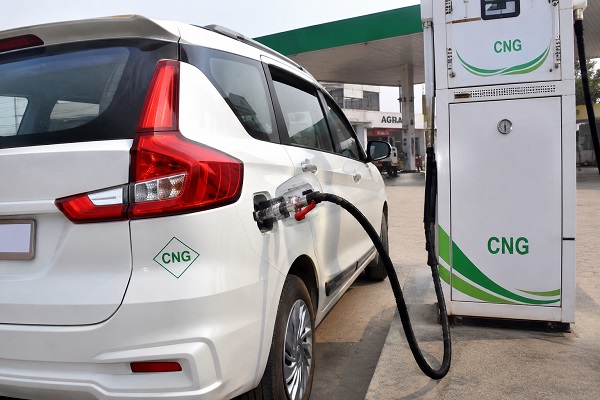
Compressed Natural Gas (CNG) has become a popular alternative fuel for cars, particularly among drivers looking to reduce running costs. CNG vehicles can offer lower fuel expenses and relatively cleaner combustion than conventional petrol and diesel vehicles. However, they also come with limitations that buyers should consider before making a decision.
Advantages of CNG Cars
**1. Lower Running Costs**
CNG is generally cheaper per kilometre than petrol, making it attractive for people who drive frequently. High-mileage users, such as daily commuters and commercial drivers, may benefit the most.
**2. Lower Emissions**
CNG typically produces fewer certain pollutants than petrol and diesel combustion. This can make CNG vehicles a relatively cleaner option for urban transportation.
**3. Good for High-Mileage Drivers**
Drivers who cover long distances regularly can potentially recover the additional purchase cost of a CNG vehicle through fuel savings over time.
**4. Dual-Fuel Flexibility**
Many CNG cars available in the market are designed to run on both CNG and petrol. This provides an additional fuel option when a CNG station is unavailable.
**5. Suitable for Urban Commuting**
For regular city driving, CNG can be an economical choice, especially where refuelling infrastructure is easily accessible.
Disadvantages of CNG Cars
**1. Limited Availability of CNG Stations**
CNG infrastructure is not equally developed everywhere. Drivers travelling to areas with fewer CNG stations may need to plan their journeys carefully.
**2. Reduced Boot Space**
The CNG cylinder occupies space in the vehicle, which can reduce usable boot capacity compared with an equivalent petrol-only model.
**3. Higher Initial Cost**
CNG variants can cost more than comparable petrol versions. Buyers need to consider whether expected fuel savings justify the higher upfront price.
**4. Refuelling Can Take Longer**
Depending on the station and queue, filling a CNG vehicle may take more time than a typical petrol refuelling stop.
**5. Performance Differences**
Some CNG vehicles may feel slightly less responsive than their petrol counterparts, particularly during acceleration or when carrying heavy loads.
**6. Additional Maintenance Considerations**
CNG systems contain additional components that require proper inspection and maintenance. Regular servicing according to the manufacturer's recommendations is important.
CNG vs Petrol: Which Should You Choose?
CNG can make sense for drivers who **travel significant distances, have convenient access to CNG stations, and prioritise lower running costs**. Petrol may be more suitable for people who travel irregularly, frequently take long-distance trips through areas with limited CNG infrastructure, or prefer stronger performance and greater boot flexibility.
Conclusion
CNG cars can provide an attractive combination of **lower running costs and relatively lower emissions**, particularly for high-mileage urban drivers. However, factors such as station availability, boot-space requirements, upfront price, and driving preferences should be considered before purchasing. The right choice ultimately depends on how, where, and how frequently the vehicle will be used.