Automobiles & Components Sector Update : A cautionary signal for JLR by Kotak Institutional Equities
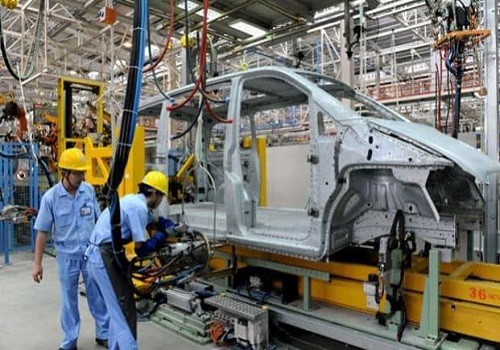
A cautionary signal for JLR
Mercedes’ pivot from its premiumization strategy reflects the limits of a pure premium, low-volume strategy given the normalized supply chain and China threat. JLR mirrors this setup, but with higher concentration and lower scale, leaving it more exposed. As pricing power moderates and electrification costs rise, reliance on a narrow luxury niche can become a structural risk. Without building selective volume or diversification levels, JLR may continue to face sharper earnings volatility and increased competitive pressures.
Mercedes’ pivot from premiumization: A structural warning signal
Mercedes’ recent pivot away from an aggressive premiumization strategy provides a clear stress test of the ‘value-over-volume’ model. During the supply-tight years, a high-mix, high-ASP portfolio delivered exceptional margins, but as global demand normalized, demand in China softened and EV competition intensified, the strategy failed to deliver adequate results. Mercedes saw a sharp decline in profitability, despite strong brand equity and scale advantages, ultimately forcing a recalibration toward broader volume, more accessible models and moderate margin expectations. The underlying lesson is that premiumization works in an upcycle but becomes fragile in the face of macro volatility, regional price wars and high EV/software investment requirements.
JLR’s current mix mirrors Mercedes at its peak—with higher concentration risk
Currently, JLR is positioned almost exactly where Mercedes was at the peak of its premiumization phase—a highly favorable mix, with outsized contribution from a narrow cluster of luxury nameplates. The Range Rover/Range Rover Sport/Defender (~73% of volumes) delivers exceptional pricing power and has driven JLR’s margin turnaround over FY2023-25, but it also creates concentration risk. With a structurally lower scale, a more limited product range and an exceptionally narrow demand base, JLR is more exposed than Mercedes in a cyclical correction, ageing product cycles or a shift in luxury buyer preferences, especially in China, as the industry has become more competitive.
Strategic implications: Elevated margin vulnerability for JLR
Mercedes’ experience shows that a pure premium, low-volume strategy becomes vulnerable once supply chains normalize, markets soften and electrification costs rise. The pricing power luxury OEMs enjoyed during the shortage years was cyclical—not structural—and as supply has now returned to normal globally, the industry is reverting to competitive pricing dynamics. JLR, with an even lower scale and a narrower portfolio, faces similar pressures ahead. To protect margins, JLR must either (1) fully commit to a tightly focused luxury-niche model or (2) selectively add volume through partnerships, sub-brands or localized programs. However, the first path also carries meaningful risk—if the luxury strategy fails to sustain consistent demand, JLR lacks a broader volume base to absorb shocks, magnifying earnings volatility and strategic vulnerability. JLR’s profitability trends will be at risk from a macro slowdown, the intensifying premium EV competition and the erosion of pricing power, in our view.

Please refer disclaimer at https://www.kotaksecurities.com/disclaimer
SEBI Registration No. INZ000200137













More News

Pharma Sector Update : Pharmaceuticals Pharma Weekly - ICYMI by Emkay Global Financial Servi...