AMOLED vs LCD Display: Which One Is Better? A Complete Comparison Guide
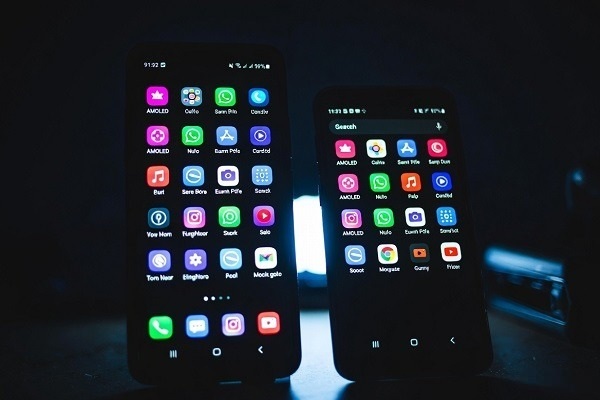
Display technology has become one of the most important factors when choosing a smartphone, tablet, laptop, or television. A good display improves the overall experience by offering better colors, sharper visuals, and smoother performance.
Two of the most popular display technologies available today are **AMOLED** and **LCD**. Both have their own advantages and limitations. Understanding the difference between them can help you choose the right device according to your needs.
What Is an LCD Display?
LCD stands for **Liquid Crystal Display**. It is one of the oldest and most widely used display technologies found in smartphones, monitors, laptops, and televisions.
LCD displays use a **backlight** placed behind the screen to illuminate pixels. Since the pixels themselves do not produce light, the display requires a constant light source.
Advantages of LCD Displays
1. Affordable Technology
LCD panels are generally cheaper to manufacture, which is why they are commonly found in budget and mid-range devices.
2. Good Brightness Levels
Many modern LCD displays offer excellent brightness, making them easier to view in outdoor environments.
3. No Risk of Burn-In
LCD screens do not usually suffer from permanent image retention issues, making them reliable for long-term use.
4. Natural Color Output
High-quality LCD panels can provide accurate and balanced colors, especially for professional work.
What Is an AMOLED Display?
AMOLED stands for **Active Matrix Organic Light Emitting Diode**. Unlike LCD, AMOLED displays do not require a separate backlight.
Each pixel in an AMOLED display produces its own light. This allows individual pixels to turn completely off, creating deeper blacks and better contrast.
Advantages of AMOLED Displays
1. Better Contrast and Deep Blacks
Since AMOLED pixels can turn off completely, black areas appear truly black instead of dark gray. This improves overall image quality.
2. More Vibrant Colors
AMOLED displays usually offer richer and more vibrant colors, making videos, games, and photos look more immersive.
3. Better Power Efficiency
When displaying dark content, AMOLED screens can consume less power because black pixels remain switched off.
4. Slimmer and Flexible Design
AMOLED panels are thinner and more flexible, allowing manufacturers to create curved displays and foldable devices.
5. Faster Response Time
AMOLED displays generally have faster pixel response times, which can improve gaming and scrolling experiences.
Display technology has become one of the most important factors when choosing a smartphone, tablet, laptop, or television. A good display improves the overall experience by offering better colors, sharper visuals, and smoother performance.
Which Display Is Better for Gaming?
For gaming, AMOLED generally provides a better experience because of:
* Faster response time
* Better contrast
* More immersive colors
* Smooth visuals
However, a high-quality LCD with a high refresh rate can also deliver excellent gaming performance, especially in budget gaming devices.
Which Display Is Better for Battery Life?
AMOLED displays can save battery when using:
* Dark mode
* Dark wallpapers
* Apps with black backgrounds
Since individual pixels turn off while displaying black colors, power consumption can reduce.
LCD displays consume similar power regardless of the colors being displayed because the backlight remains active.
Which Display Is Better for Outdoor Use?
Both technologies have improved significantly. Many premium AMOLED displays offer extremely high brightness levels, making them excellent outdoors.
However, some high-quality LCD panels can also perform very well under direct sunlight.
Which Display Should You Choose?
The right choice depends on your requirements.
Choose AMOLED If You Want:
* Premium viewing experience
* Better colors and contrast
* Gaming and entertainment
* Modern smartphone experience
* Better battery efficiency with dark mode
Choose LCD If You Want:
* Affordable devices
* Long-term reliability
* Accurate colors for professional work
* Lower-cost replacements
Future of Display Technology
Display technology continues to improve with innovations like:
* Flexible AMOLED displays
* Foldable screens
* Mini LED technology
* Micro LED displays
* Higher refresh rates
* AI-powered display optimization
Many premium smartphones and televisions are moving toward advanced OLED-based technologies because of their superior picture quality.
Conclusion
Both AMOLED and LCD displays have their own strengths. AMOLED offers better contrast, deeper blacks, vibrant colors, and a premium viewing experience, while LCD remains a reliable and affordable option with excellent brightness and durability.
For users who prioritize entertainment, gaming, and premium visuals, AMOLED is usually the better choice. However, LCD displays still provide great value for people looking for affordable and dependable devices.
Ultimately, the best display depends on your budget, usage habits, and personal preference