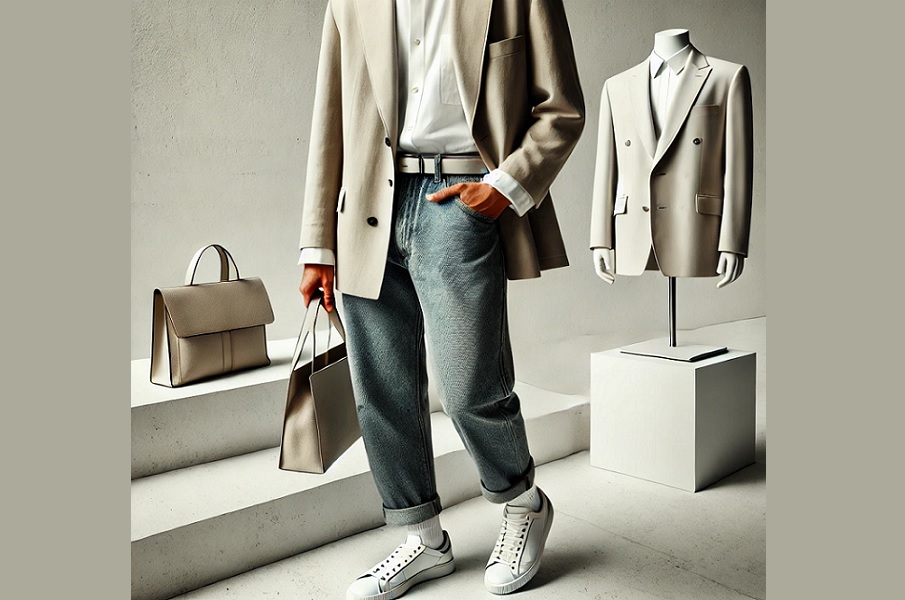
Dress for the Occasion — Slightly Better
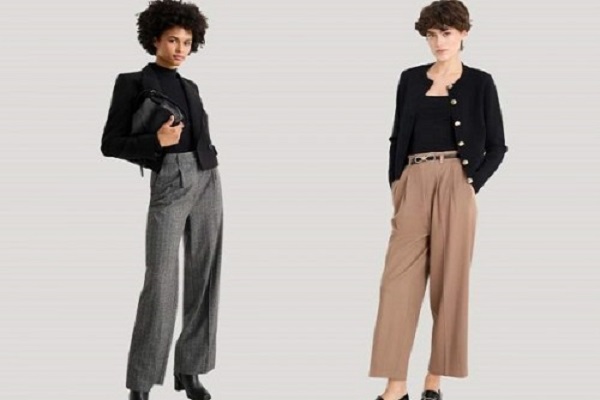
One of the simplest yet most powerful style principles is this: dress for the occasion — but slightly better than expected. Not dramatically overdressed. Not attention-seeking. Just polished enough to stand out in a subtle, confident way.
This approach works in almost every area of life — work, social events, casual outings, even travel.
Why “Slightly Better” Works
Clothing communicates before you speak. When you elevate your outfit just a notch above the average dress code, you signal:
Self-respect
Awareness
Confidence
Social intelligence
The key is moderation. You don’t want to look disconnected from the environment — you want to look like the most put-together version of it.
The Psychology Behind It
People naturally associate neatness and intention with competence. Studies in social perception consistently show that well-groomed individuals are viewed as more capable and trustworthy.
When you dress slightly sharper than others:
You appear prepared.
You look intentional.
You stand out — without trying too hard.
It’s not about luxury brands or expensive clothing. It’s about effort.
Practical Examples
1. Casual Hangout
If most people are wearing hoodies and joggers:
Choose well-fitted jeans or tailored trousers.
Wear a clean T-shirt or structured overshirt.
Opt for sleek sneakers instead of worn-out ones.
You’re still casual — just refined.
2. Office Environment
If the workplace is business casual:
Add a blazer.
Upgrade from sneakers to loafers or leather shoes.
Choose darker, structured fabrics.
You’re not overdressed — you’re elevated.
3. Events and Gatherings
If the dress code says “smart casual”:
Wear a collared shirt instead of a T-shirt.
Add a watch or subtle accessory.
Ensure your shoes are polished and intentional.
That small upgrade makes you memorable for the right reasons.
How to Avoid Overdressing
The rule is: match the formality level — then refine it.
If an event is:
Casual → Be polished casual.
Smart casual → Be sharp smart casual.
Formal → Be crisp and tailored.
Avoid:
Full suits at relaxed dinners.
Flashy accessories at professional meetings.
Heavy layering in warm, laid-back settings.
The goal is harmony — not dominance.
Small Upgrades That Make a Big Difference
You don’t need a wardrobe overhaul. Just focus on:
Proper fit
Clean shoes
Wrinkle-free clothes
Groomed hair
Neutral color coordination
A simple outfit from brands like Uniqlo or COS can look sophisticated when styled thoughtfully.
The Confidence Effect
When you dress slightly better, something subtle happens:
You sit straighter.
You speak more clearly.
You feel prepared.
Clothing influences mindset. And mindset influences presence.
Final Thought
“Dress for the occasion — slightly better” isn’t about impressing others. It’s about respecting the space you’re in and presenting your best self within it.
Style doesn’t need to be loud to be powerful.
Sometimes, being just 10% sharper makes you 100% more noticeable — in the best way.