Woman: Strength, Identity, and Influence

A woman is not defined by a single role, expectation, or narrative. She is a complex and evolving individual whose identity is shaped by her experiences, choices, culture, and aspirations. Across history and societies, women have played essential roles in shaping families, communities, economies, and nations—often while navigating challenges rooted in inequality and tradition.
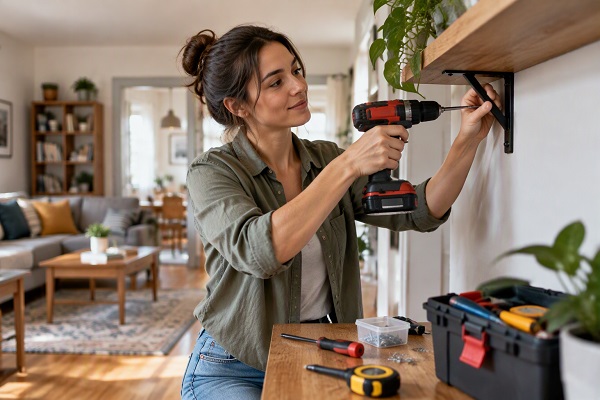
At the heart of a woman’s identity is her individuality. No two women share the same journey. Some may pursue careers in science, business, or the arts, while others may dedicate themselves to caregiving, entrepreneurship, or social change. Many balance multiple roles at once, demonstrating adaptability and resilience in the face of competing demands. This diversity is what makes the concept of womanhood rich and dynamic.
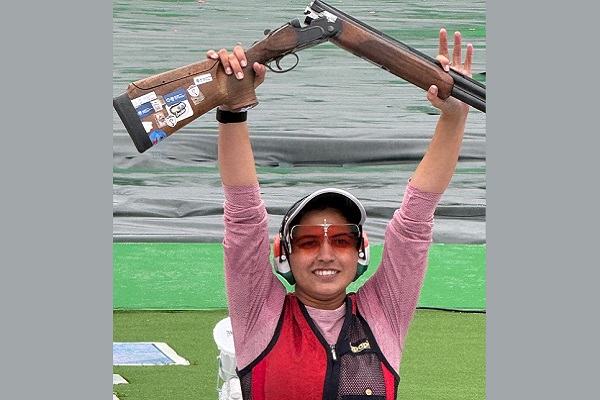
Strength is one of the defining qualities often associated with women, though it is expressed in many forms. It can be seen in leadership and decision-making, in quiet perseverance during difficult times, and in the courage to challenge societal norms. Historically, women have led movements for justice, equality, and human rights, reshaping laws and attitudes to create more inclusive societies.
Education and opportunity have been key drivers in expanding the role of women worldwide. As access to education improves, women are increasingly participating in fields that were once inaccessible to them. This shift not only empowers individuals but also contributes to economic growth and social progress. When women thrive, communities tend to benefit as a whole.
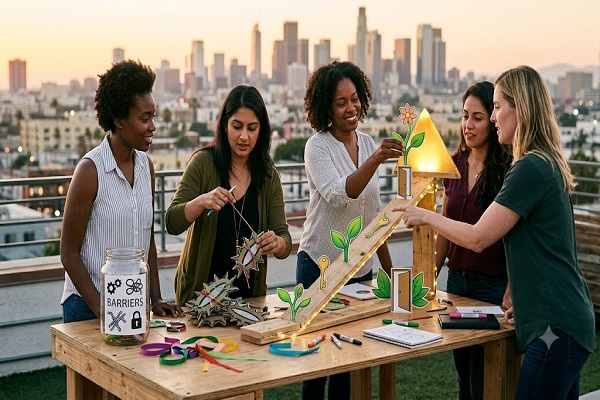
Despite these advancements, many women continue to face systemic barriers, including unequal pay, limited representation in leadership, and societal expectations that restrict their choices. Addressing these challenges requires collective effort—through policy changes, cultural shifts, and continued advocacy for equality.
At the same time, conversations about womanhood have become more inclusive and nuanced. There is growing recognition that experiences of gender intersect with factors such as race, class, and geography, shaping different realities for different women. Understanding these intersections helps create more equitable and supportive environments.
Ultimately, a woman is not confined to predefined roles or limitations. She is a source of creativity, intelligence, compassion, and determination. Her contributions—whether visible or unseen—have a lasting impact on the world. Recognizing and respecting this complexity is essential to building a future where every woman has the freedom and opportunity to define her own path.