West Asia conflict: Global energy subsidies could hit $1 trillion as global crises deepen, says UN report
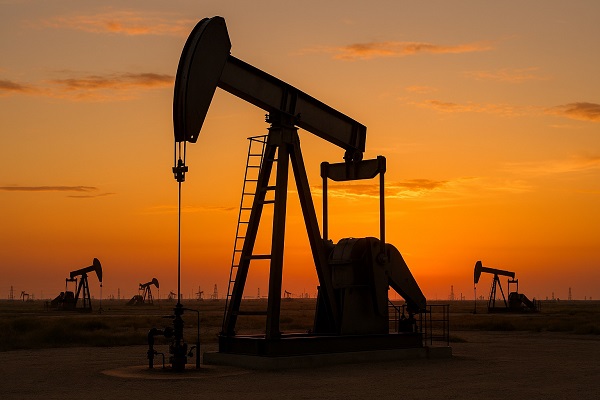
Governments worldwide are finding it increasingly difficult to protect consumers from rising energy costs with fuel subsidies expected to exceed $1 trillion this year, according to a report released on Friday.
A report by the UN Development Programme (UNDP) said efforts to ease the impact of higher fuel and food prices are becoming harder to maintain as borrowing costs rise and a strong El Nino weather event threatens further economic disruption.
It also noted that the coming months will be critical for countries using measures such as fuel subsidies, price caps and tax rebates.
Many governments are already facing pressure as oil prices approach $100 a barrel and public finances remain strained.
“The horizon over the next few weeks and months is uncertain because we don’t see a very clear pathway out of the three-pronged crisis,” according to UNDP Chief Economist George Gray Molina.
Based on data from the World Bank, International Monetary Fund and International Energy Agency, the report found that the number of countries providing relief measures nearly doubled between April and September as the effects of the conflict continued to spread.
Government support helped prevent an estimated 130 million people from falling below the $6.85-a-day poverty line this year, according to the report.
However, pressure on public budgets is expected to increase further.
The report has projected that the combined effects of geopolitical tensions, tighter financial conditions and climate-related shocks will peak in early 2027.
Moreover, the impact of El Nino which can trigger floods and droughts also expected to worsen food insecurity.
Higher energy prices fuelled protests and social unrest in at least 10 countries in September, including Syria, Guatemala, the Philippines, France and Portugal, the report said.