Using Maps and GPS Alone: A Solo Traveler’s Guide
Traveling solo comes with freedom, excitement, and a dash of responsibility. One of the most essential skills for any solo adventurer is navigating unfamiliar places using maps and GPS. Whether you’re exploring a bustling city or trekking remote trails, knowing how to rely on these tools can make your journey smoother, safer, and more enjoyable.
1. Choose the Right Tools
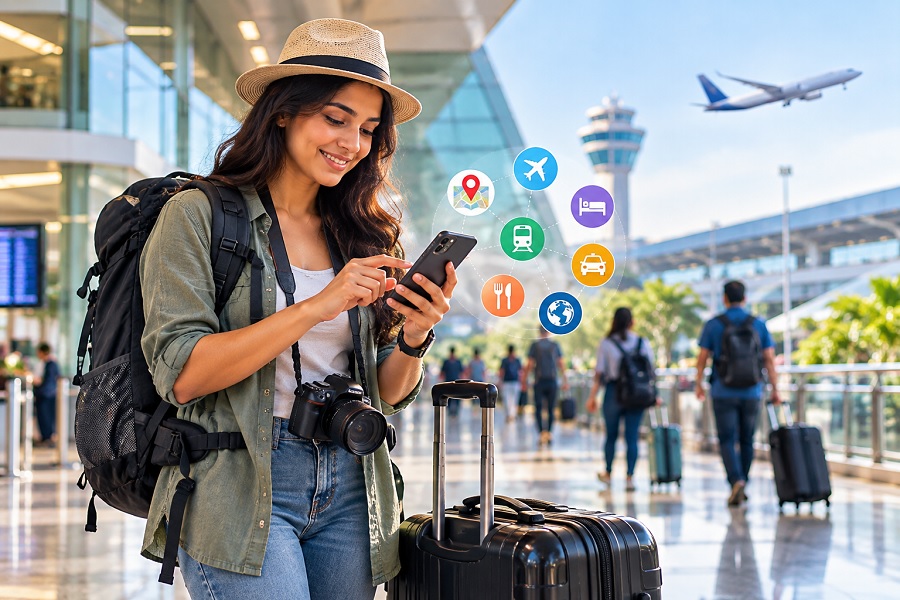
Before setting out, equip yourself with the right navigation tools. Popular GPS apps like Google Maps, Maps.me, and Apple Maps provide turn-by-turn directions, offline maps, and even public transport routes. For hiking or off-grid locations, consider apps like AllTrails or Komoot which work offline and offer trail details.
2. Offline Maps Are a Lifesaver
Network coverage can be unpredictable, especially in remote areas or foreign countries. Download offline maps before your trip so you can navigate without relying on mobile data. Most GPS apps allow you to select regions for offline use, ensuring you’re never lost even when the signal disappears.
3. Learn Basic Map Reading
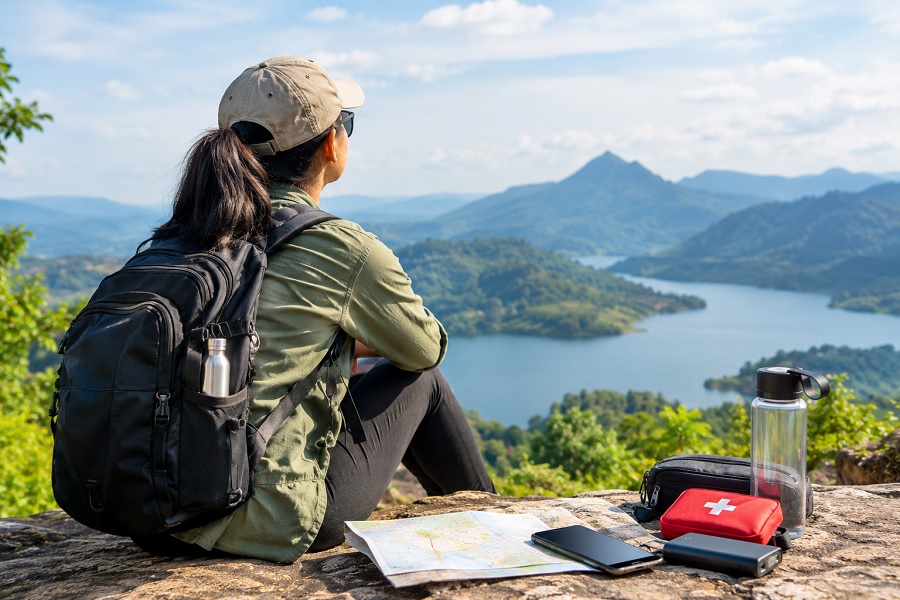
While GPS is convenient, understanding traditional maps can be invaluable. Learn to read landmarks, contour lines, and compass directions. This knowledge can help you verify your GPS location, plan alternate routes, and stay safe in areas with limited connectivity.
4. Set Waypoints and Landmarks
Marking key locations like your accommodation, transport hubs, and emergency contacts on your map or GPS app can prevent confusion. This is especially useful when exploring complex cities, hiking trails, or areas with similar-looking streets.
5. Use Navigation Features Wisely
Many GPS apps offer features like real-time traffic updates, walking directions, and estimated arrival times. Solo travelers should also explore options like compass mode, street view, or satellite mode to understand surroundings better.
6. Safety First
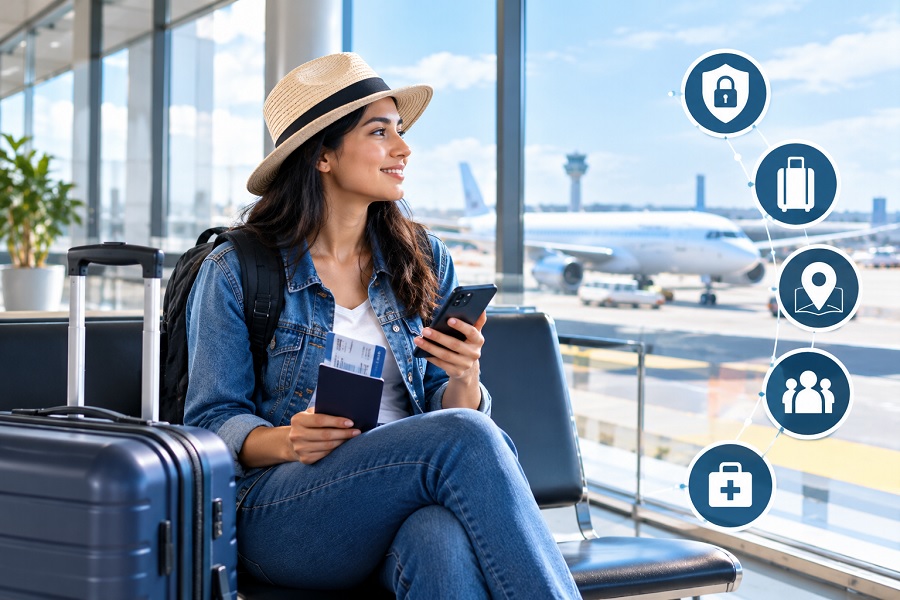
Always inform someone about your route or check in periodically when navigating alone. Avoid wandering into unsafe areas, especially at night. GPS is helpful, but your awareness and judgment are irreplaceable tools.
7. Practice and Familiarity
Spend some time familiarizing yourself with the map interface and GPS functionalities before relying on them in a new location. Practicing simple routes in your home city or hotel surroundings builds confidence and reduces stress while traveling alone.
8. Backup Options
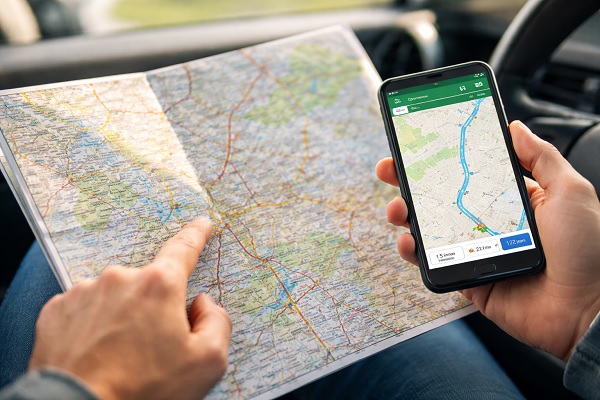
Consider carrying a small physical map or a compass as a backup. While rare, tech failures can happen, and traditional navigation skills may save the day.
Conclusion:
Using maps and GPS alone is a skill every solo traveler should master. With proper preparation, offline capabilities, and a balance of technology and traditional map-reading skills, navigating unknown places becomes an exciting part of your adventure rather than a challenge.