Safe Jungle Travel Tips for Solo Travelers

Traveling solo into a jungle can be one of the most thrilling experiences—dense greenery, exotic wildlife, untouched landscapes, and complete silence broken only by nature. But it also comes with real risks. Unlike city travel, jungles demand preparation, awareness, and respect for the environment.
Here are essential tips to help you stay safe while exploring jungle destinations alone.
1. Always Research the Jungle Area First
Before entering any jungle region, understand:
Local wildlife (especially predators and insects)
Weather patterns (monsoon risks, flooding, humidity)
Entry rules and permits
Known safe and unsafe zones
Never assume a jungle is “open for tourism” without restrictions.
2. Hire a Local Guide (Highly Recommended)
Even if you are an experienced solo traveler, a local guide is invaluable:
Knows hidden trails and safe routes
Understands animal behavior
Can handle emergencies quickly
Helps with communication in remote areas
Going completely solo deep into a jungle is not advised.
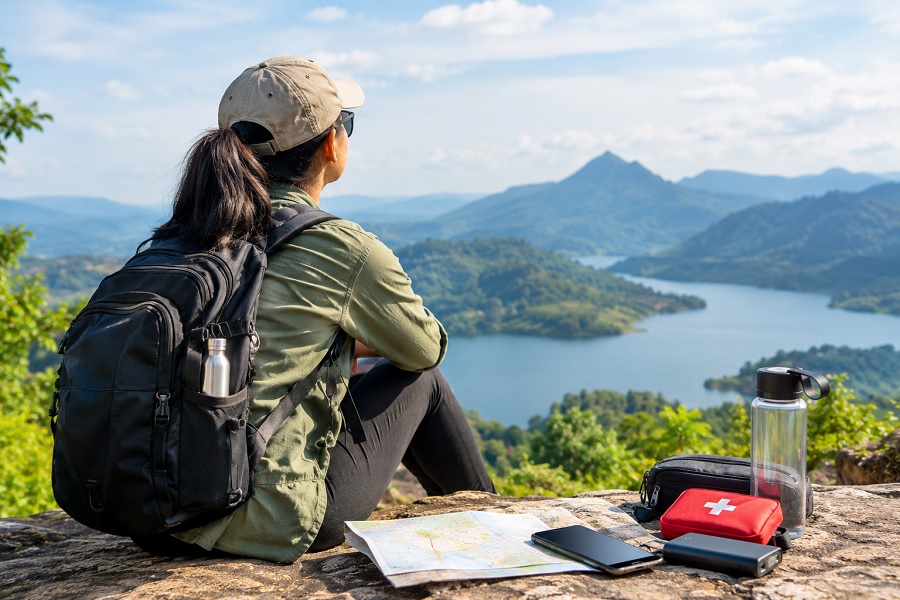
3. Pack Smart and Light—but Essential
Carry only survival-focused items:
First aid kit
Water purification tablets or filter
High-energy snacks
Torch with extra batteries
Power bank
Whistle for emergencies
Lightweight raincoat
Insect repellent
Avoid overpacking—it slows you down.
4. Be Aware of Wildlife Safety Rules
Jungle animals usually avoid humans, but accidents happen:
Never feed animals
Keep distance at all times
Do not run if you see wildlife
Avoid loud noises
Stay on marked trails
Respect is your biggest safety tool in the wild.
5. Watch Weather Conditions Closely
Jungles can become dangerous quickly:
Sudden rain can cause flash floods
Trails may become slippery or blocked
Visibility can drop fast
Always check weather updates before and during your trip.
6. Share Your Location and Plans
Before entering the jungle:
Inform a trusted person about your route
Share expected return time
Keep GPS tracking enabled
This is crucial for emergency rescue situations.
7. Stay Connected—but Don’t Depend on It
Mobile networks may not work in deep forests
Carry offline maps
Download emergency apps beforehand
Keep devices charged at all times
Never rely fully on signal availability.
8. Move Slowly and Stay Alert
Walk carefully, especially near roots and wet areas
Watch for snakes or insects on paths
Avoid shortcuts through unknown areas
Take breaks in safe clearings only
Speed is not your priority—awareness is.
9. Choose Safe Accommodation Near Jungle Borders
If staying overnight:
Prefer eco-lodges or forest-approved stays
Avoid isolated camping alone deep inside jungles
Check reviews and safety ratings
10. Trust Your Instincts
If something feels wrong:
Turn back immediately
Avoid risky paths
Do not hesitate to change plans
In jungle travel, intuition is a powerful survival skill.
Final Thought
Solo jungle travel is not about fear—it’s about respect for nature. When you prepare properly and stay alert, the jungle becomes less of a threat and more of a deeply rewarding experience.