Top Boutique Hotel Design Trends Transforming Luxury Travel Experiences in 2026
Boutique Hotel Design Trends: Creating Unique and Memorable Guest Experiences
Boutique hotels are transforming the hospitality industry by offering travelers more personalized, stylish, and immersive stays. Unlike traditional large hotels, boutique properties focus on unique design concepts, local culture, personalized services, and memorable guest experiences. In 2026, boutique hotel design trends are moving toward sustainable luxury, smart technology, nature-inspired interiors, and spaces that reflect local identity.
1. Sustainable and Eco-Friendly Hotel Designs
Sustainability has become a major focus in boutique hotel design. Hotels are adopting natural materials such as bamboo, recycled wood, stone, and eco-friendly fabrics to create environmentally responsible spaces. Energy-efficient lighting, water-saving systems, and green building practices are becoming essential features.
Guests today prefer hotels that combine luxury with environmental responsibility. Eco-conscious design helps boutique hotels attract travelers who value sustainable tourism.
2. Biophilic Design and Nature Integration
One of the biggest trends in boutique hotels is bringing nature indoors. Designers are incorporating indoor plants, natural lighting, green walls, outdoor gardens, and organic textures to create peaceful environments.
Biophilic design improves relaxation and creates a connection between guests and nature. Many boutique hotels are adding rooftop gardens, open-air lounges, and scenic outdoor spaces to enhance the stay experience.
3. Local Culture-Inspired Interiors
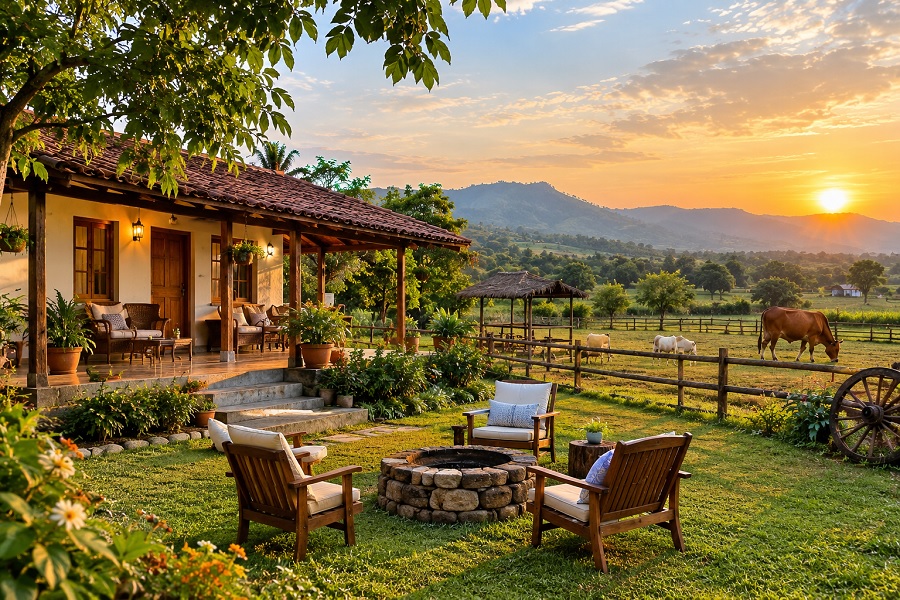
Boutique hotels are moving away from standard designs and embracing local heritage. Interior designs now include regional artwork, traditional crafts, local fabrics, and cultural elements.
This approach allows travelers to experience the destination through architecture and design. A hotel room becomes more than accommodation; it becomes a reflection of the local story and lifestyle.
4. Smart Technology Integration
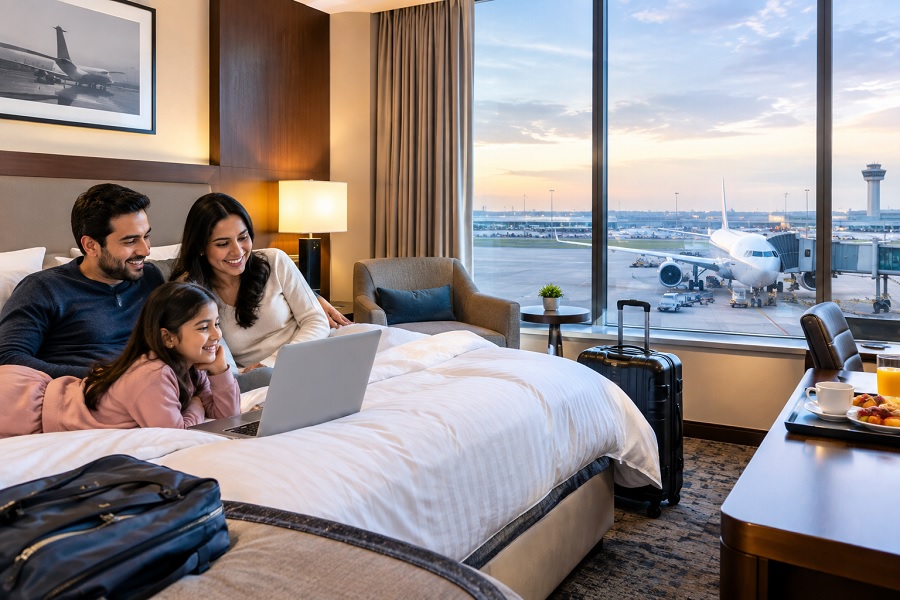
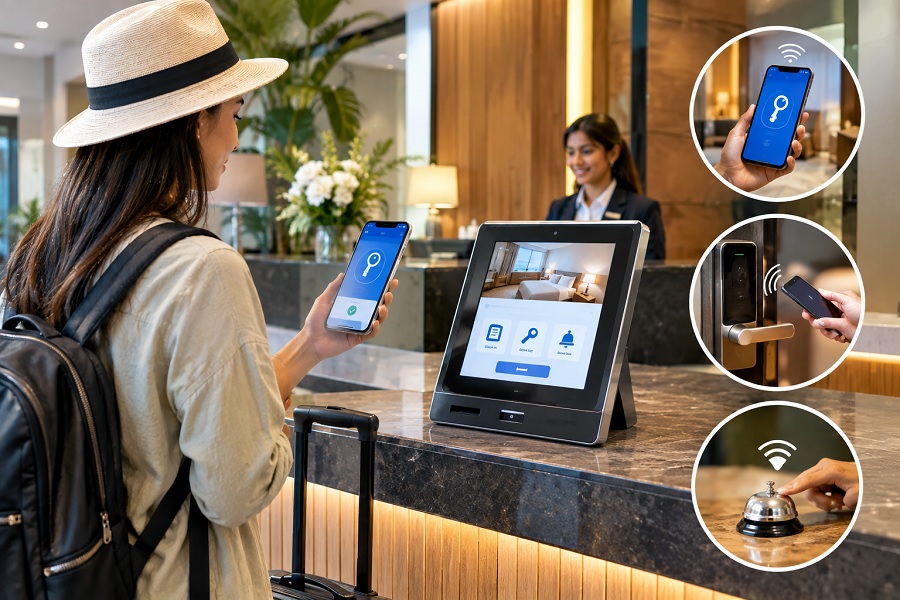
Technology is playing a key role in modern boutique hotels. Smart rooms with automated lighting, voice-controlled features, digital check-ins, and personalized room settings are becoming popular.
These innovations provide convenience while maintaining a premium guest experience. Technology allows hotels to offer seamless services without reducing the human connection.
5. Minimalist Luxury Interiors
Modern travelers are showing interest in simple yet elegant spaces. Minimalist luxury focuses on clean designs, comfortable furniture, neutral colors, and carefully selected decorative elements.
Boutique hotels are creating peaceful environments where guests can relax away from busy lifestyles. Quality materials and thoughtful details are replacing excessive decoration.
6. Wellness-Focused Hotel Spaces
Wellness tourism is influencing boutique hotel design. Many properties are adding meditation areas, yoga spaces, spa facilities, fitness rooms, and healthy dining concepts.
Hotels are designing spaces that support physical and mental well-being, allowing guests to enjoy a healthier travel experience.
7. Multi-Functional Social Spaces
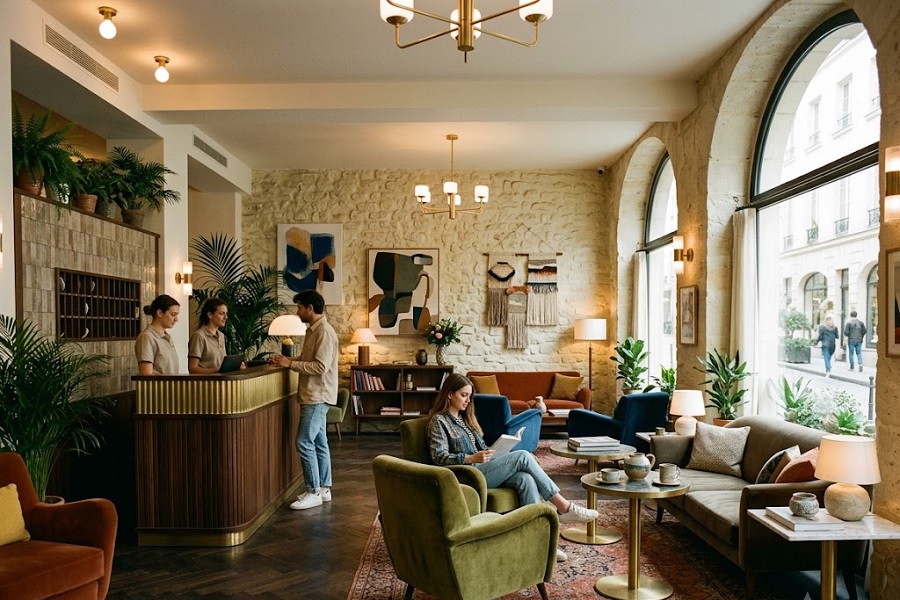
Boutique hotels are creating flexible spaces where guests can work, relax, socialize, and enjoy entertainment. Stylish cafes, co-working lounges, rooftop bars, and community areas are becoming important design features.
These spaces encourage interaction and make hotels attractive for both leisure and business travelers.
8. Personalized Guest Experiences
Personalization is at the heart of boutique hospitality. Hotels are designing rooms and services based on guest preferences, including customized lighting, personalized amenities, and unique room themes.
A memorable stay depends on creating emotional connections with guests.
9. Artistic and Creative Hotel Concepts
Boutique hotels are becoming galleries of creativity. Unique artwork, handmade furniture, creative architecture, and themed rooms help properties stand out.
Design innovation gives hotels a strong identity and creates shareable experiences for travelers.
10. Future of Boutique Hotel Design
The future of boutique hotels will focus on balancing technology, sustainability, comfort, and cultural authenticity. Travelers are looking for meaningful experiences rather than just accommodation.
Hotels that combine smart solutions with beautiful design and personalized hospitality will continue to attract modern travelers worldwide.
Conclusion
Boutique Hotel Design Trends are shaping the future of hospitality by creating unique, sustainable, and experience-driven stays. From eco-friendly architecture and smart technology to cultural designs and wellness spaces, boutique hotels are offering travelers more than a place to sleep. They are creating memorable journeys that connect people with destinations in meaningful ways.