The Story Behind the Ruins of Hampi
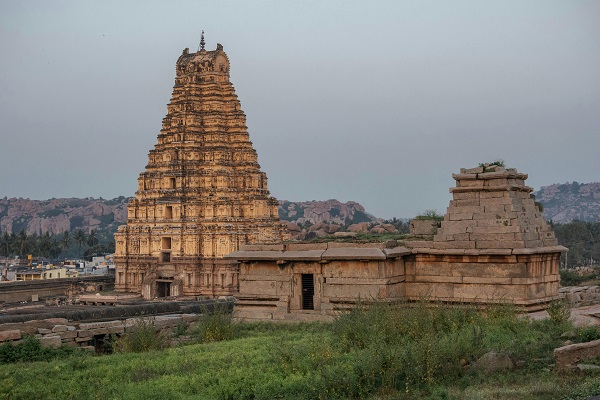
Nestled along the banks of the Tungabhadra River, Hampi stands today as a breathtaking landscape of ancient ruins, massive boulders, and timeless temples. Once the glorious capital of the mighty Vijayanagara Empire, Hampi tells a powerful story of rise, prosperity, and eventual downfall.
The Rise of a Magnificent Empire
Hampi flourished during the 14th to 16th centuries under the Vijayanagara rulers, becoming one of the richest and largest cities in the world at the time. Traders from Persia, Portugal, and other parts of the globe visited the city, amazed by its wealth, markets, and advanced urban planning.
The city was known for its grand palaces, bustling bazaars, and intricately designed temples. Landmarks like the Virupaksha Temple and Vittala Temple showcased extraordinary craftsmanship, with detailed carvings and innovative architecture that still leave visitors in awe.
The Fall of Hampi
Despite its strength, the empire faced a tragic turning point after the famous Battle of Talikota in 1565. A coalition of Deccan Sultanates defeated the Vijayanagara army, leading to the destruction of Hampi.
What followed was a period of massive looting and devastation. Temples were damaged, palaces were burned, and the once-thriving city was abandoned. Over time, nature slowly reclaimed the area, leaving behind hauntingly beautiful ruins that whisper stories of the past.
The Architecture That Still Speaks
Even in ruins, Hampi’s architecture reflects its former glory. The iconic stone chariot at Vittala Temple, the musical pillars, royal enclosures, and elephant stables are testimonies to the advanced engineering and artistic excellence of that era.
Walking through Hampi feels like stepping into a forgotten world, where every structure has a story carved into stone.
A Landscape Frozen in Time
The surreal landscape of giant boulders, ancient temples, and open spaces adds to Hampi’s mystical charm. The ruins are spread across a vast area, blending seamlessly with nature, creating a unique atmosphere that is both peaceful and powerful.
A UNESCO World Heritage Treasure
Today, Hampi is recognized as a UNESCO World Heritage Site, attracting travelers, historians, and photographers from around the globe. Efforts are ongoing to preserve its structures and maintain its cultural significance.
Final Thoughts
The ruins of Hampi are not just remnants of a lost city—they are symbols of resilience, artistry, and history. They remind us of how powerful civilizations can rise and fall, yet leave behind legacies that stand the test of time.
Exploring Hampi is more than sightseeing; it’s a journey into India’s glorious past, where every stone echoes stories of kings, battles, and a once-thriving empire.