The Impact of Air Pollution on Respiratory Health
Air pollution has emerged as one of the most serious public health challenges of modern times. Rapid urbanization, industrial growth, vehicular emissions, and changing lifestyles have significantly degraded air quality across the globe. While polluted air affects multiple organs in the body, the respiratory system is the most directly and severely impacted. Continuous exposure to polluted air can damage the lungs, reduce breathing capacity, and increase the risk of both acute and chronic respiratory diseases.
Understanding Air Pollution
Air pollution refers to the presence of harmful substances in the atmosphere that pose risks to human health. These pollutants include fine particulate matter, toxic gases, chemical fumes, and biological allergens. Polluted air may originate from outdoor sources such as vehicle exhaust, industrial emissions, construction dust, and agricultural burning. Indoor pollution can result from cooking smoke, tobacco use, poor ventilation, household chemicals, and the use of solid fuels.
The smallest pollutants are particularly dangerous because they can travel deep into the lungs and even enter the bloodstream, making them extremely harmful over time.
How Air Pollution Affects the Respiratory System
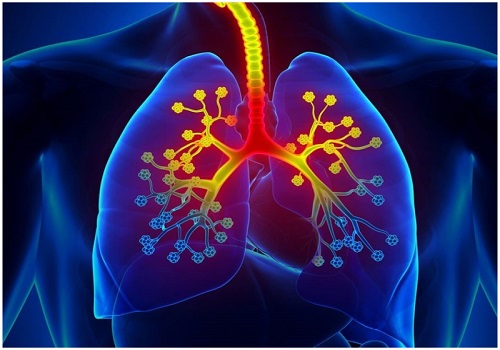
The respiratory system is designed to filter and process the air we breathe, but constant exposure to polluted air overwhelms these natural defense mechanisms. When harmful particles and gases are inhaled, they irritate the airways and lung tissues, triggering inflammation and narrowing of the breathing passages.
Short-term exposure can lead to symptoms such as coughing, throat irritation, wheezing, chest tightness, and shortness of breath. Long-term exposure causes more severe damage, including reduced lung capacity, impaired oxygen exchange, and permanent structural changes in the lungs.
Impact on Lung Function
Prolonged exposure to polluted air significantly reduces lung efficiency. In children, whose lungs are still developing, air pollution can stunt lung growth and lead to long-term respiratory problems. Adults may experience faster decline in lung function, leading to early onset of breathing difficulties and reduced physical stamina.
As lung function deteriorates, everyday activities such as walking, exercising, or climbing stairs become increasingly challenging, affecting overall quality of life.
Respiratory Diseases Linked to Air Pollution
Air pollution is closely associated with several respiratory conditions:
Asthma: Polluted air can trigger asthma attacks, increase airway sensitivity, and worsen symptoms in both children and adults.
Chronic Obstructive Pulmonary Disease (COPD): Long-term exposure contributes to chronic bronchitis and emphysema, leading to persistent breathlessness.
Respiratory Infections: Polluted air weakens lung defenses, making individuals more susceptible to infections such as bronchitis and pneumonia.
Lung Cancer: Continuous exposure to harmful airborne particles increases the risk of developing lung cancer, even in non-smokers.
These conditions often require long-term medical care and significantly increase healthcare costs and disease burden.
Biological Mechanisms of Damage
Air pollutants cause harm through multiple biological pathways. They trigger inflammation in the airways, produce oxidative stress that damages lung cells, and weaken the immune response within the respiratory system. Over time, this leads to chronic inflammation, tissue damage, and reduced ability of the lungs to repair themselves.
This continuous cycle of injury and inflammation accelerates respiratory aging and disease progression.
Vulnerable Populations
Certain groups are more vulnerable to the harmful effects of air pollution:
Children and adolescents
Older adults
Individuals with asthma or existing lung conditions
Pregnant women
Outdoor workers and traffic personnel
People living in highly polluted urban areas
For these groups, even short-term increases in pollution levels can trigger serious respiratory complications.
Long-Term Health and Social Impact
The respiratory damage caused by air pollution extends beyond physical health. Chronic breathing problems can limit daily activities, reduce work productivity, increase school absenteeism, and lead to psychological stress. Communities in polluted regions often experience higher rates of hospital admissions and long-term illness, placing strain on healthcare systems.
Protecting Respiratory Health
While large-scale solutions require government policies and environmental reforms, individuals can take steps to protect their respiratory health. Monitoring air quality levels, wearing protective masks in polluted areas, improving indoor ventilation, avoiding outdoor activities during peak pollution hours, and adopting cleaner cooking methods can help reduce exposure.
Conclusion
Air pollution is a silent but persistent threat to respiratory health. Its effects range from mild irritation to severe, life-threatening lung diseases. As air quality continues to decline in many parts of the world, protecting the respiratory system must become a public health priority. Reducing pollution levels, increasing awareness, and adopting preventive measures are essential to safeguarding lung health and ensuring a healthier future for generations to come.