From spinach to dates, eat these nutritious foods daily to prevent blood loss
Blood loss and low hemoglobin levels can lead to fatigue, weakness, dizziness, and reduced immunity. One of the most common causes is iron deficiency, which affects millions of people worldwide — especially women and growing children. The good news:- A balanced diet rich in iron, vitamins, and minerals can help maintain healthy blood levels naturally.
If you’re looking to prevent blood loss–related weakness and boost hemoglobin, here are powerful everyday foods to include in your diet.
1. Spinach: The Iron-Rich Green
Spinach is one of the most recommended leafy greens for improving blood health. It contains non-heme iron (plant-based iron), along with vitamin C, folate, and antioxidants.
How to include it:
Add to smoothies
Prepare spinach dal or sabzi
Use in soups or salads
Tip: Pair spinach with vitamin C–rich foods like lemon or oranges to improve iron absorption.
2. Dates: Natural Energy Boosters
Dates are packed with iron, copper, and vitamin B6, all of which support red blood cell production. They also provide instant energy, making them perfect for those feeling weak due to low hemoglobin.
How to include them:
Eat 2–3 soaked dates in the morning
Add to smoothies or oatmeal
Use as a natural sweetener in desserts
3. Pomegranate: The Blood Builder
Pomegranate is rich in iron, vitamin C, and antioxidants. It helps improve hemoglobin levels and supports overall blood circulation.
Best way to consume:
Fresh pomegranate seeds
A glass of fresh juice (without added sugar)
4. Beetroot: The Natural Detoxifier
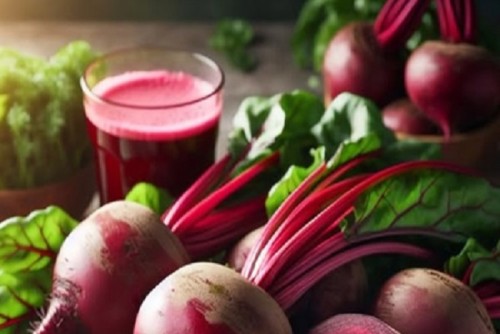
Beetroot contains iron, folate, and nitrates that support red blood cell production and improve blood flow.
Try it as:
Beetroot juice
Grated beet salad
Added to parathas or cutlets
5. Lentils and Legumes
Dal, chickpeas, kidney beans, and black gram are excellent plant-based iron sources. They’re also rich in protein and fiber, making them a complete nutritional package.
Regular consumption helps maintain steady hemoglobin levels and prevents anemia-related fatigue.
6. Jaggery: Traditional Iron Source
Jaggery (gur) is a traditional remedy often recommended for low iron levels. It contains iron and essential minerals that help purify blood and prevent deficiency.
Have a small piece after meals or mix it with roasted chana for a healthy snack.
7. Nuts and Seeds
Pumpkin seeds, sesame seeds, almonds, and walnuts provide iron, healthy fats, and essential nutrients that support blood health.
Sprinkle them on salads or consume as a daily snack.
8. Vitamin C–Rich Fruits
Iron absorption improves significantly when paired with vitamin C. Include:
Oranges
Amla
Guava
Lemon
Adding a squeeze of lemon to meals can make a noticeable difference in iron absorption.
Lifestyle Tips to Support Healthy Blood Levels
Avoid drinking tea or coffee immediately after meals, as they reduce iron absorption.
Maintain a balanced diet with protein, iron, and vitamin-rich foods.
Stay hydrated.
Get regular blood tests if you experience persistent fatigue or weakness.
When to Consult a Doctor
If symptoms like extreme tiredness, pale skin, shortness of breath, or frequent dizziness continue, consult a healthcare professional. Severe anemia may require supplements or medical treatment.
Final Thoughts
Preventing blood loss–related weakness doesn’t always require complicated diets or expensive supplements. Simple, everyday foods like spinach and dates can make a powerful difference when consumed regularly. Consistency is key — small daily nutrition habits can protect your blood health and boost your overall energy naturally.