The Art of Slow Living: Why Slowing Down Can Improve Your Life

In a world driven by deadlines, notifications, and constant connectivity, many people feel pressured to do more in less time. While productivity has its place, living at a relentless pace can lead to stress, burnout, and a loss of balance. This is where the concept of slow living offers a refreshing perspective. It is not about doing everything slowly-it is about being intentional with your time, choices, and priorities.
Slow living encourages people to focus on what truly matters, creating a lifestyle that values quality over quantity and presence over pressure.
What Is Slow Living?
Slow living is a mindful approach to everyday life. Instead of rushing through tasks or constantly multitasking, it emphasizes living with purpose and giving full attention to the present moment.
This lifestyle does not require moving to the countryside or giving up technology. Rather, it involves making conscious decisions that reduce unnecessary stress and improve overall well-being.
Prioritize What Truly Matters
One of the first steps toward slow living is identifying your priorities. Many people spend time on activities that don't align with their personal goals or values.
Ask yourself:
What brings genuine happiness?
Which activities improve my well-being?
What can I simplify or eliminate?
By focusing on meaningful experiences, life becomes more fulfilling and less overwhelming.
Create Technology Boundaries
Smartphones and social media keep us connected, but they can also consume valuable time and attention. Setting healthy digital boundaries helps improve concentration and reduces mental fatigue.
Simple habits include:
Turning off unnecessary notifications.
Avoiding screens during meals.
Creating phone-free time before bed.
Scheduling regular digital detox periods.
These small changes can significantly improve focus and peace of mind.
Enjoy Everyday Moments
Slow living encourages appreciation of ordinary experiences that often go unnoticed.
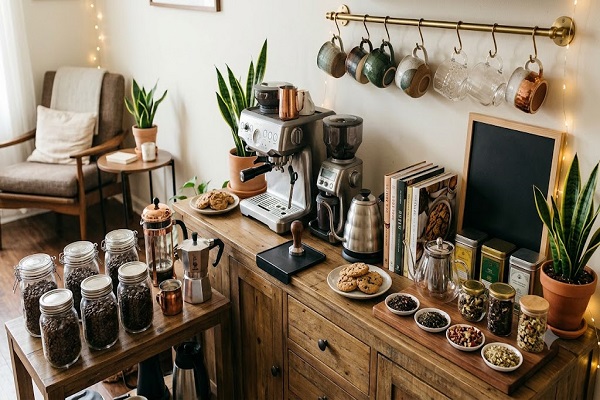
Whether it's enjoying a cup of coffee without distractions, taking a walk in nature, reading a book, or spending quality time with family, these moments contribute to a richer and more satisfying life.
Mindfulness transforms routine activities into meaningful experiences.
Simplify Your Environment
A cluttered space often creates a cluttered mind. Organizing your home or workspace can reduce stress and improve productivity.
Minimalism doesn't mean owning very little-it means keeping things that add value while removing unnecessary distractions.
A clean and organized environment often leads to greater mental clarity.
Make Time for Self-Care
Self-care isn't a luxury; it's an important part of maintaining physical and mental health.
Healthy self-care habits include:
Getting enough sleep.
Exercising regularly.
Eating nutritious meals.
Practicing meditation or deep breathing.
Spending time on hobbies you enjoy.
Looking after yourself makes it easier to care for others and perform at your best.
Focus on Quality Relationships
Strong personal relationships are one of the greatest contributors to long-term happiness. Slow living encourages meaningful conversations, shared experiences, and genuine connections instead of constant digital interaction.
Investing time in family and friends strengthens emotional well-being and creates lasting memories.
Spend Wisely, Live Better
Slow living also influences financial decisions. Instead of impulsive spending, it encourages thoughtful purchases that provide long-term value.
Buying fewer but higher-quality products often saves money over time while reducing waste.
Financial mindfulness creates greater stability and peace of mind.
Progress Without Pressure
Success doesn't have to come at the cost of health or happiness. Slow living reminds us that meaningful progress is built through consistent effort rather than constant urgency.
Taking breaks, celebrating small achievements, and allowing time to recharge can improve both productivity and creativity.
Conclusion
Slow living is not about slowing success-it is about slowing the unnecessary rush that often distracts us from what truly matters. By simplifying daily routines, setting healthy boundaries, nurturing relationships, and living with intention, anyone can create a more balanced and rewarding lifestyle.
In the end, a meaningful life is not measured by how busy we are, but by how fully we experience the moments that matter most.