Temple Tourism in India: Faith, Architecture & History
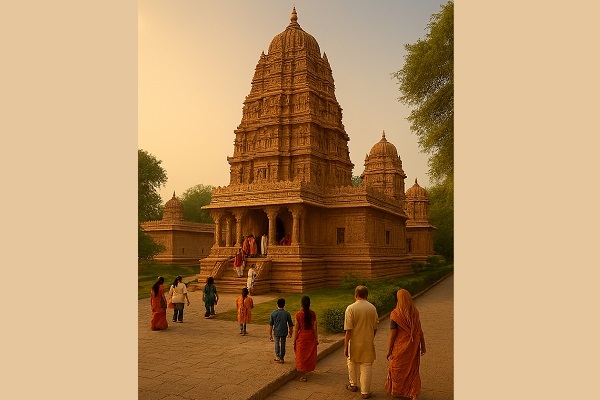
India is a land where spirituality and history walk hand in hand, and temple tourism stands as one of the strongest expressions of this timeless connection. Spread across the length and breadth of the country, Indian temples are not merely places of worship—they are living monuments that narrate stories of devotion, artistic brilliance, and centuries-old traditions. From snow-clad Himalayan shrines to coastal sanctuaries in the south, temple tourism in India offers travelers a journey that nourishes both the soul and the senses.
Faith: The Heart of Temple Tourism
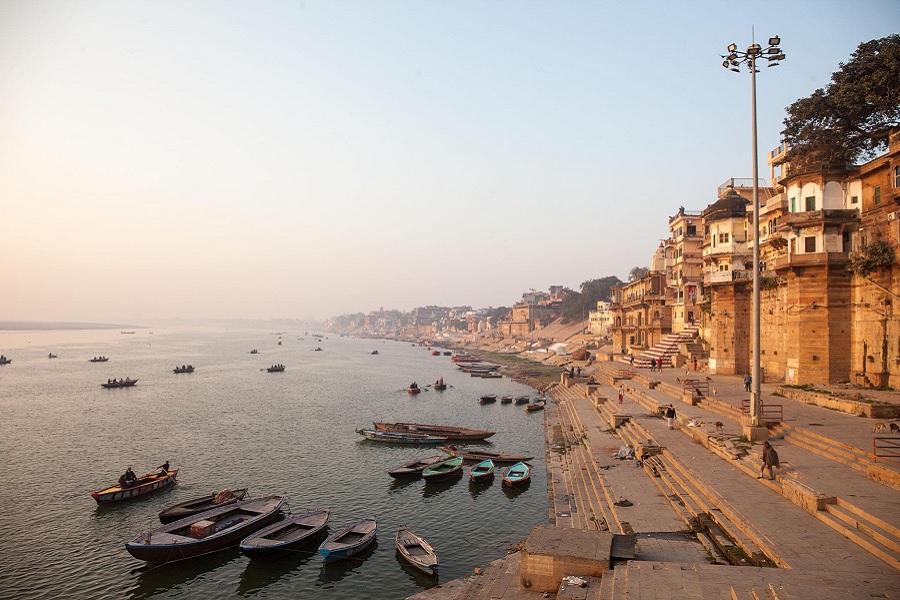
At its core, temple tourism in India is deeply rooted in faith. Millions of devotees undertake pilgrimages every year to seek blessings, fulfill vows, and experience spiritual peace. Sacred destinations like Varanasi, Tirupati, Vaishno Devi, Somnath, and Rameswaram hold immense religious significance and are woven into the daily lives of believers. Festivals, rituals, and aartis bring these temples alive, creating an atmosphere of collective devotion that transcends language, region, and background.
Architecture: Marvels Carved in Stone
Indian temples are architectural masterpieces that reflect the artistic excellence of different eras and dynasties. From the intricate carvings of Khajuraho and the towering gopurams of South Indian temples to the rock-cut wonders of Ellora and Ajanta, each structure showcases unique design styles and construction techniques. These temples were often built over decades or even centuries, with detailed sculptures depicting mythological tales, celestial beings, and everyday life of ancient India. For architecture enthusiasts, temple tourism is like walking through an open-air museum of design and craftsmanship.
History: Stories of Dynasties and Civilizations
Every temple in India carries layers of history within its walls. Many were commissioned by powerful rulers and dynasties such as the Cholas, Pallavas, Guptas, and Vijayanagara kings, serving as centers of culture, education, and governance. Temples often played a crucial role in shaping local economies and preserving art, music, and dance forms. Exploring these sacred sites allows travelers to trace India’s historical evolution and understand how religion influenced social and political life over centuries.
A Blend of Spirituality and Tourism
Modern temple tourism goes beyond religious travel. Improved infrastructure, heritage walks, guided tours, and cultural events have made temple destinations more accessible to both domestic and international tourists. Pilgrimage circuits like Char Dham, Jyotirlingas, and Shakti Peethas offer structured spiritual journeys, while lesser-known temples provide serene experiences away from crowds.
Conclusion
Temple tourism in India is a unique blend of faith, architecture, and history that offers something for every traveler. Whether one seeks spiritual solace, architectural inspiration, or historical insight, India’s temples stand as timeless guardians of the nation’s cultural and spiritual legacy. Visiting them is not just a journey across places—it is a journey through time, belief, and human creativity.