Solo Camping Guide
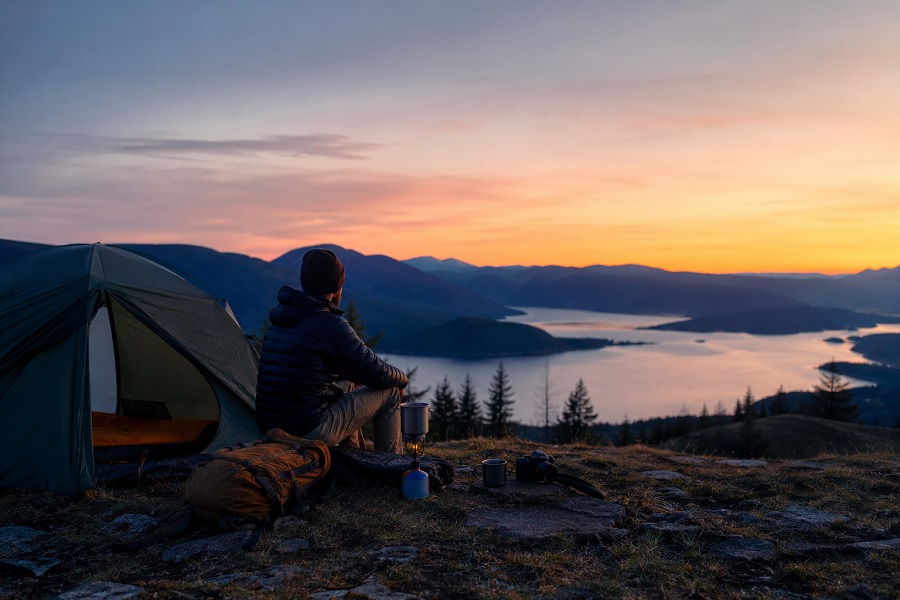
Solo Camping Guide: A Practical Handbook for Safe and Enjoyable Outdoor Adventures
Solo camping is one of the most rewarding ways to connect with nature. It gives you complete freedom, quiet surroundings, and a chance to reset from everyday noise. At the same time, it demands responsibility, planning, and awareness because you rely only on yourself.
This guide covers everything you need to know before heading out alone into the wild.
1. Choosing the Right Location
Start simple if you are new to solo camping. Pick a place that is:
Legal for camping or has designated campsites
Not too remote or risky
Close enough to help or exit routes
Known for stable weather conditions
National parks, forest campsites, and managed eco-camping zones are ideal for beginners.
2. Essential Gear Checklist
Packing smart is more important than packing heavy. Your basic kit should include:
Lightweight tent with rain cover
Sleeping bag suitable for the season
Sleeping mat for insulation
Portable stove or basic cooking setup
Headlamp with extra batteries
First aid kit
Multi-tool or knife
Water bottles or hydration system
Power bank for emergencies
Weather-appropriate clothing layers
Avoid carrying unnecessary items that slow you down.
3. Food and Water Planning
Keep meals simple and easy to cook:
Ready-to-cook noodles, oats, or dehydrated meals
Energy bars, nuts, and dry fruits
Instant coffee or tea
Always carry more water than you think you need. If the area allows, use a portable filter or purification tablets.
4. Safety First Approach
When camping alone, safety becomes your top priority:
Share your location and return plan with someone
Check weather updates before leaving
Avoid setting camp too late in the day
Be alert about wildlife in the region
Keep emergency contacts accessible
Trust your instincts if something feels off
Never take unnecessary risks for photos or exploration.
5. Setting Up Camp Properly
Pick your campsite carefully:
Flat ground, away from water flow paths
Avoid dead trees or loose branches above
Face tent entrance away from strong wind
Keep cooking area separate from sleeping area
Store food securely to avoid attracting animals
Good setup means a comfortable and safe night.
6. Nighttime Awareness
Nights in solo camping can feel very different. Stay prepared:
Keep a small light on inside or near tent
Stay inside tent after dark unless necessary
Make small noise if you hear wildlife nearby
Keep shoes and essentials within reach
Stay calm and avoid panic if you hear unfamiliar sounds.
7. Leave No Trace Principle
Respect nature at all times:
Carry all waste back with you
Do not damage plants or trees
Avoid using plastic where possible
Leave the site exactly as you found it
Responsible camping ensures these places remain beautiful for others.
8. Mental Preparedness
Solo camping is not just physical, it is mental too:
Expect silence and embrace it
Don’t rush your experience
Stay flexible with your plans
Use the time for reflection and relaxation
Many people find solo camping helps reduce stress and improve clarity.
Final Thoughts
Solo camping is not about isolation, it is about independence. With proper preparation and awareness, it becomes one of the most refreshing outdoor experiences. Start small, stay safe, and gradually build confidence in more remote environments.