Smart Hotel Safety Features: How Technology Is Transforming Guest Security
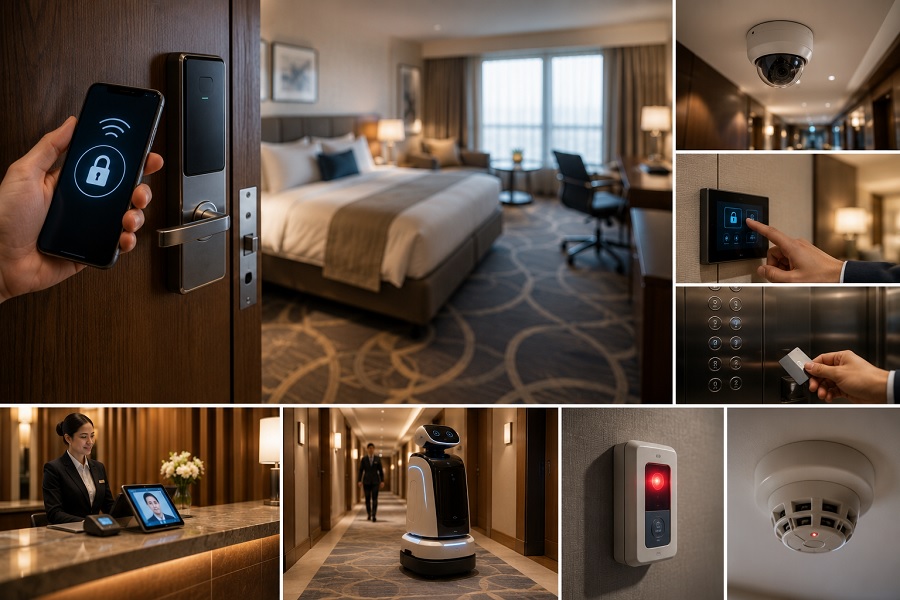
Smart hotel technology is changing the way hotels protect guests, staff, and property. In 2026, modern hotels are increasingly adopting connected devices, digital access systems, artificial intelligence, smart surveillance, and automated monitoring to create safer and more convenient stays.
The best smart hotel safety systems combine advanced technology with trained staff and established security procedures. Technology can help identify potential risks quickly, but human oversight remains essential for handling emergencies and providing personal assistance.
1. Mobile and Digital Room Keys
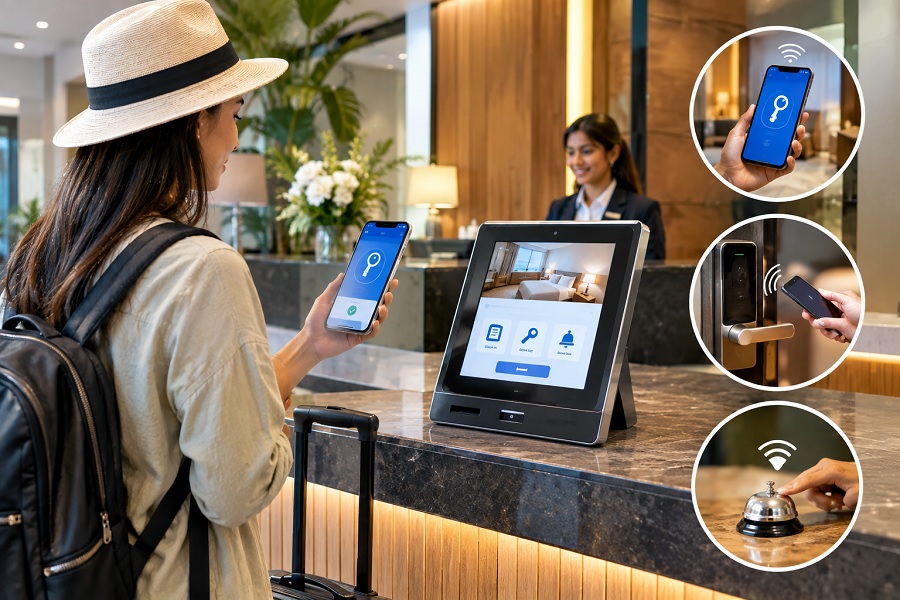
Digital room keys allow guests to access their rooms using a smartphone or other approved device. These systems can reduce the need for physical key cards and allow hotels to manage access more efficiently.
Some systems can also provide temporary access permissions for authorized staff, helping hotels control who can enter specific areas.
2. Smart Door Locks
Smart electronic door locks can provide secure, trackable access to guest rooms and restricted areas. Depending on the system, access may be managed through mobile devices, key cards, PINs, or biometric technologies.
Modern systems can also record access events, helping hotel security teams investigate unusual activity when necessary.
3. AI-Powered Security Monitoring
Artificial intelligence can assist hotel security teams by analyzing information from security systems and identifying unusual patterns or potential risks.
AI-supported monitoring may help detect unauthorized access, unusual movement, or other security events. However, these systems should be designed with appropriate privacy protections and human oversight.
4. Smart CCTV and Video Surveillance
Modern hotels may use high-definition cameras and intelligent video systems to monitor entrances, parking areas, hallways, and other public spaces.
Advanced systems can help security teams respond more quickly to unusual events. Hotels should clearly communicate their surveillance policies and follow applicable privacy regulations.
5. Emergency Alert Systems
Smart hotel safety systems can provide rapid alerts during emergencies such as fires, security incidents, or other hazards.
Connected alarm systems can notify hotel staff and, where appropriate, emergency services. Clear evacuation procedures and regular safety training remain essential even when automated systems are available.
6. Smart Fire Detection
Modern fire safety technology can include connected smoke detectors, heat sensors, fire alarms, and automated notification systems.
Smart monitoring can help identify potential fire risks quickly and notify responsible personnel. Regular inspections and maintenance are essential to ensure these systems work correctly.
7. Smart Lighting for Safer Movement
Automated lighting systems can improve visibility in hallways, staircases, parking areas, and outdoor spaces.
Motion sensors can activate lights when movement is detected, helping guests navigate the property more safely at night. Smart lighting can also contribute to energy efficiency.
8. Elevator Security Systems
Smart elevator systems can improve security by restricting access to certain floors or requiring authorized credentials.
Some hotels use key cards or digital access systems to limit entry to guest floors and staff-only areas. These systems can provide an additional layer of security while improving access management.
9. Smart Guest Room Sensors
Connected sensors can monitor room conditions such as temperature, smoke, water leaks, and unusual environmental changes.
For example, water leak detection systems may alert maintenance teams before a small leak becomes a major problem. Hotels should clearly explain the purpose of in-room sensors and respect guest privacy.
10. Smart Water Leak Detection
Water damage can cause significant problems for hotels. Smart leak detection systems can monitor pipes, bathrooms, and other areas for signs of water leakage.
Early alerts can help maintenance teams respond quickly and potentially reduce property damage.
11. Emergency Communication Technology
Smart hotels can use mobile apps, digital displays, text notifications, and other communication channels to provide important safety information to guests.
During an emergency, fast and clear communication can help guests understand what is happening and where they should go.
12. Cybersecurity and Guest Data Protection
As hotels become more connected, cybersecurity has become an important part of guest safety. Smart hotel systems may handle sensitive information, including guest identity details, payment information, and booking data.
Hotels should use strong cybersecurity practices, secure networks, access controls, software updates, and appropriate data protection measures.
13. Privacy-Focused Smart Technology
Smart technology should improve safety without unnecessarily compromising guest privacy. Hotels need clear policies explaining how cameras, sensors, digital keys, and other technologies are used.
Responsible data management is essential for maintaining guest trust. Hotels should collect only necessary information and protect it appropriately.
14. Contactless Safety Services
Contactless hotel services can allow guests to request assistance or services through mobile applications or digital platforms.
This technology can make it easier for guests to communicate with hotel teams without waiting at the front desk. It can also help staff track and respond to requests more efficiently.
15. Smart Parking and Vehicle Security
Technology-enabled parking systems can improve security through automated gates, license plate recognition, surveillance cameras, and controlled access.
These systems can help hotels monitor parking areas and provide guests with a more secure environment for their vehicles.
16. Staff Safety and Access Management
Smart access systems can help hotels manage employee access to restricted areas. Different levels of authorization can be assigned according to job responsibilities.
This can help reduce unauthorized access while creating digital records that support security management.
17. Connected Safety Training
Technology can also support employee safety training. Hotels can use digital learning platforms to train staff on emergency procedures, fire safety, cybersecurity, guest privacy, and crisis management.
Regular training helps employees understand how to respond effectively when technology alone cannot solve a problem.
The Future of Smart Hotel Safety
The future of hotel safety is likely to involve increasingly connected systems that combine artificial intelligence, automation, sensors, cybersecurity, and human oversight.
However, technology should complement rather than replace trained hotel employees. A truly safe hotel experience depends on a combination of reliable technology, well-trained staff, clear emergency procedures, responsible data practices, and regular maintenance.
As travelers become more aware of privacy and security, hotels that adopt smart safety technology responsibly can improve both guest confidence and overall service quality.
Conclusion
Smart hotel safety features are transforming the way modern hotels protect guests and manage security. From digital room keys and smart locks to AI-assisted monitoring, fire detection, emergency communication, and cybersecurity, technology offers many opportunities to improve safety and efficiency.
The most successful hotels will be those that balance innovation with privacy, human support, and reliable safety procedures. By investing in responsible smart technology and well-trained staff, hotels can create secure, comfortable, and trustworthy experiences for travelers in 2026 and beyond.