Small Daily Habits That Lead to Big Success
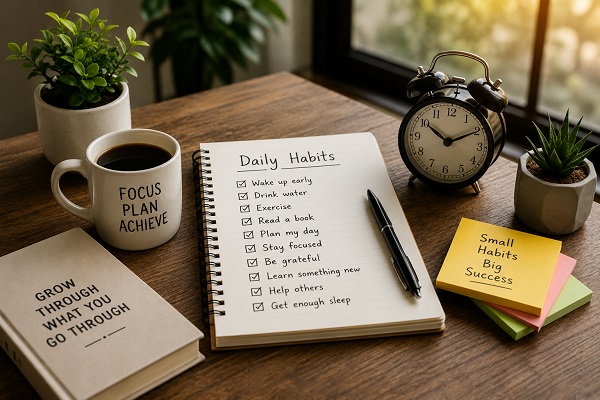
Success is rarely the result of one big moment. More often, it's built through small, consistent actions repeated every day. While major achievements may seem impressive, they usually begin with simple habits that gradually shape a person's mindset, productivity, and lifestyle.
Whether your goal is career growth, better health, financial stability, or personal development, the habits you practice daily can have a lasting impact. The key is not making drastic changes overnight but committing to small improvements that compound over time.
Why Small Habits Matter
Daily habits influence nearly every aspect of our lives. Every choice you make—whether it's waking up on time, reading a few pages of a book, or taking a short walk—contributes to your long-term success.
Small habits are easier to maintain because they require less effort and are more sustainable. Over weeks, months, and years, these actions create powerful results.
Start Your Day with Purpose
A productive morning often leads to a productive day.
Instead of reaching for your phone as soon as you wake up, spend the first few minutes focusing on yourself.
Try these simple morning habits:
* Wake up at the same time every day.
* Drink a glass of water.
* Stretch for five to ten minutes.
* Write down your top three priorities.
* Spend a few moments practicing gratitude.
Starting the day with intention helps improve focus and reduces unnecessary stress.
Read Every Day
Reading is one of the easiest ways to invest in yourself.
Even reading just 15 to 20 minutes daily can expand your knowledge, improve communication skills, and inspire new ideas.
Choose books related to:
* Personal development
* Business
* Health
* Finance
* Biography
* Psychology
The more you learn, the better equipped you'll be to make smarter decisions.
Keep Learning New Skills
The world changes quickly, and continuous learning keeps you competitive.
Spend a little time each day:
* Watching educational videos
* Taking online courses
* Practicing a new language
* Learning software or technical skills
* Improving communication abilities
Learning consistently builds confidence and opens new opportunities.
Stay Physically Active
Success isn't only about working harder—it also requires taking care of your health.
Simple activities such as walking, stretching, cycling, or exercising for 30 minutes a day can:
* Increase energy levels
* Improve concentration
* Reduce stress
* Boost confidence
* Support long-term health
A healthy body helps maintain a productive mind.
Plan Your Day
Successful people rarely leave their day to chance.
Take five minutes each morning or the night before to organize your schedule.
Focus on:
* Your most important tasks
* Meetings and deadlines
* Personal goals
* Breaks and relaxation
Planning helps you stay organized and reduces wasted time.
Limit Digital Distractions
Technology is useful, but constant notifications can reduce productivity.
Build healthier digital habits by:
* Turning off unnecessary notifications.
* Limiting social media during work hours.
* Keeping your phone away while studying or reading.
* Setting dedicated screen-free time.
Fewer distractions mean greater focus.
Practice Gratitude
Gratitude shifts your attention from what's missing to what you already have.
Every evening, write down three things you're thankful for.
This simple habit can:
* Improve mental well-being
* Reduce negativity
* Increase optimism
* Strengthen emotional resilience
A positive mindset often leads to better performance in every area of life.
Stay Organized
An organized environment supports an organized mind.
Keep your:
* Workspace clean
* Digital files arranged
* Calendar updated
* To-do lists manageable
Small organizational habits save time and reduce unnecessary stress.
Manage Your Time Wisely
Time is one of your most valuable resources.
Instead of trying to do everything at once, prioritize what matters most.
Helpful techniques include:
* Time blocking
* The Pomodoro Technique
* Creating daily task lists
* Setting realistic deadlines
Managing time effectively leads to consistent progress.
Build Strong Relationships
Success is rarely achieved alone.
Make time to:
* Listen actively.
* Support others.
* Network professionally.
* Stay connected with family and friends.
* Express appreciation regularly.
Healthy relationships contribute to both personal happiness and professional growth.
Take Care of Your Mind
Mental well-being is just as important as physical health.
Daily practices like meditation, deep breathing, journaling, or spending time in nature can help reduce stress and improve focus.
Even ten minutes of quiet reflection can make a significant difference.
Learn from Mistakes
Everyone experiences setbacks.
Instead of fearing failure, view it as an opportunity to improve.
Ask yourself:
* What did I learn?
* What can I do differently next time?
* How can I grow from this experience?
Growth comes from continuous learning, not perfection.
Stay Consistent
The biggest difference between successful people and everyone else is often consistency.
You don't need to be perfect every day.
You simply need to keep showing up.
Small actions repeated consistently create remarkable long-term results.
Final Thoughts
Big success is rarely built overnight. It's the outcome of countless small choices made every single day. Reading one chapter, exercising for 30 minutes, planning your day, practicing gratitude, and learning something new may seem insignificant individually, but together they create a strong foundation for lasting success.
Remember, success isn't about taking giant leaps—it's about taking small, meaningful steps every day. Start with one habit, stay consistent, and allow time to work in your favor. Your future self will thank you for the effort you begin today.