Simple Ways to Create a Peaceful Home Environment
A peaceful home can make everyday life feel more comfortable and refreshing. While creating a calm atmosphere does not require an expensive makeover, small changes in organisation, lighting, décor and daily habits can make a noticeable difference.
Your home should be a place where you can relax after a busy day, spend quality time with family and enjoy moments of quiet. Here are some simple ways to create a more peaceful and welcoming home environment.
1. Keep Clutter Under Control
A crowded space can make a room feel stressful and disorganised. Start by removing items that are no longer useful and giving everyday belongings a designated place.
Simple storage baskets, shelves and organisers can help keep frequently used items accessible without making rooms look messy.
2. Choose Calm Colours
Colours can influence the overall atmosphere of a room. Soft and neutral shades such as white, beige, cream, light green and gentle blue can create a relaxed appearance.
You do not need to repaint the entire house. Adding cushions, curtains, rugs or decorative pieces in calming shades can also change the feel of a space.
3. Make the Most of Natural Light
Natural light can make interiors feel brighter and more inviting. Keep windows relatively clear and use curtains or blinds that allow daylight to enter when appropriate.
During the evening, use warm and comfortable lighting rather than relying only on harsh overhead lights.
4. Bring Nature Indoors
Plants can add freshness and visual appeal to a home. Place suitable indoor plants near windows, living areas or other spaces where they can thrive.
If maintaining live plants is difficult, flowers, natural wooden elements or nature-inspired décor can provide a similar visual connection with the outdoors.
5. Create a Relaxing Bedroom
The bedroom should be one of the calmest areas of the home. Keep unnecessary objects away from the bed and choose comfortable bedding that suits your preferences.
A tidy bedside table, soft lighting and a simple décor style can help create an environment that feels more relaxing at the end of the day.
6. Add Pleasant Natural Scents
A pleasant fragrance can contribute to the overall atmosphere of a home. Depending on personal preference, options can include fresh flowers, naturally scented candles or essential-oil diffusers.
Avoid overly strong fragrances, particularly in small or poorly ventilated spaces.
7. Reduce Unnecessary Noise
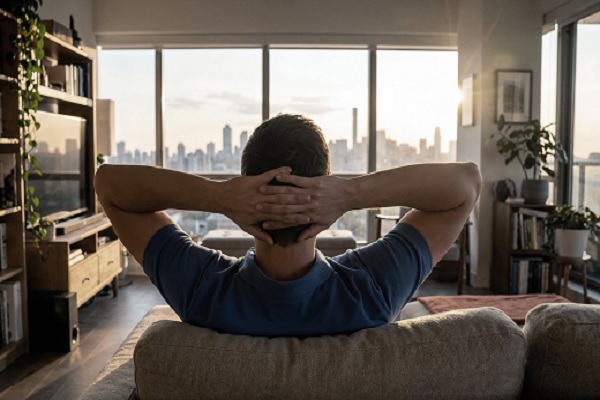
Constant background noise can make it harder to relax. Turn off televisions, speakers and other devices when they are not being used.
Creating quiet periods during the day can provide an opportunity to read, meditate, enjoy a hobby or simply unwind.
8. Create a Dedicated Relaxation Corner
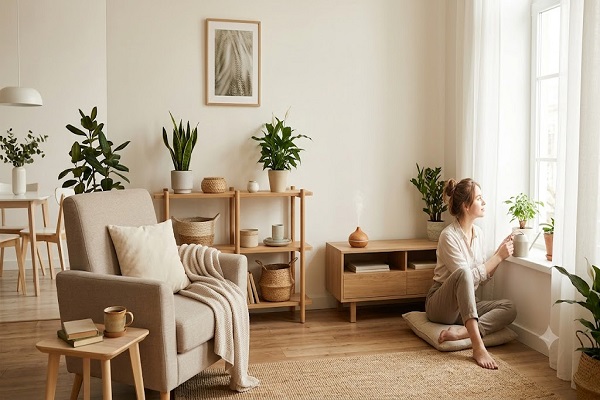
Even in a small home, it is possible to create a personal relaxation area. A comfortable chair near a window, a small reading corner or a floor cushion with a soft lamp can become a simple place to take a break.
Keeping this area free from work-related items can help create a clearer separation between responsibilities and relaxation.
9. Keep Everyday Spaces Organised
A peaceful home is easier to maintain when frequently used areas are organised. Develop simple habits such as putting things back after use, clearing kitchen counters and keeping entryways tidy.
Spending a few minutes organising each day can be easier than dealing with a large cleaning task later.
10. Choose Décor Carefully
A peaceful home does not have to be completely minimal. However, too many decorative objects can make a space feel visually busy.
Choose a few meaningful pieces that complement the room rather than filling every available surface. Personal photographs, artwork, books and handmade décor can add warmth without creating clutter.
11. Create a Technology-Free Zone
Designating certain areas or periods as technology-free can encourage more mindful time at home. For example, keeping phones away during meals or avoiding screens in the bedroom can help create a calmer routine.
This can also encourage conversations, reading and other activities that do not involve digital devices.
12. Keep the Home Fresh and Comfortable
Regular ventilation, cleaning and temperature control can contribute to a comfortable indoor environment. Open windows when appropriate, keep bedding fresh and maintain commonly used areas regularly.
Small maintenance habits can make the home feel cleaner and more pleasant without requiring extensive effort.
13. Personalise Your Space
A peaceful home should also feel like your own. Display objects that have positive memories or personal meaning, such as family photographs, travel souvenirs, artwork or favourite books.
The goal is not to follow a particular décor trend but to create surroundings that make you feel comfortable.
14. Develop a Simple Evening Routine
The atmosphere of your home can influence how you transition from a busy day to a quieter evening. Dim the lights, tidy up the main living area and put away work-related materials when the day is finished.
A consistent evening routine can make it easier to mentally shift from work and responsibilities toward relaxation.
Conclusion
Creating a peaceful home environment does not require a major renovation or a large budget. Decluttering, using calming colours, improving lighting, adding greenery, reducing noise and maintaining simple organisational habits can make everyday spaces feel more comfortable.
Most importantly, a peaceful home should reflect your personal needs and lifestyle. Small, consistent changes can turn an ordinary living space into a place where you can relax, recharge and enjoy quality time with the people around you.