Sedentary Lifestyle and Its Hidden Health Risks

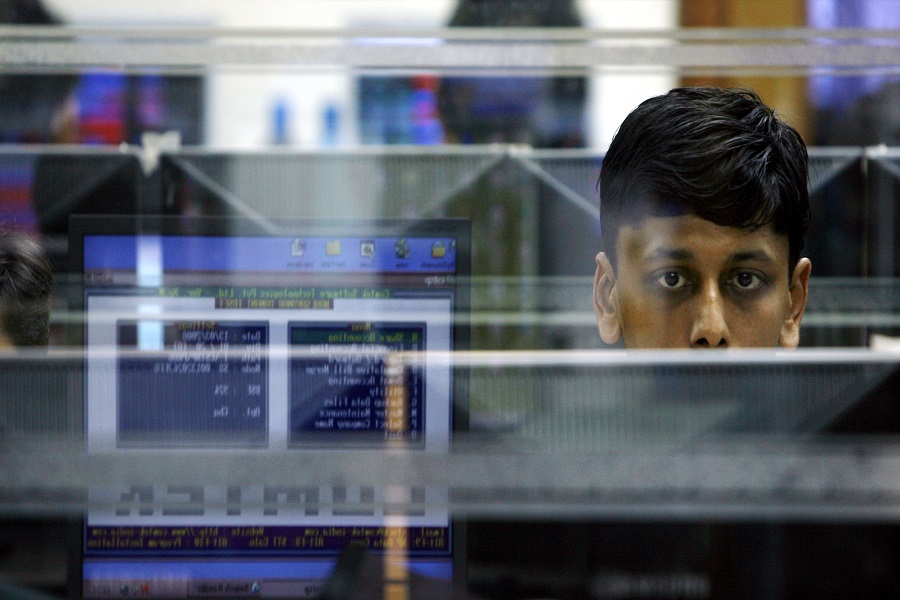
A sedentary lifestyle refers to a way of living that involves long periods of sitting or low physical activity. In today’s digital age, this lifestyle has become increasingly common due to office jobs, online learning, entertainment platforms, and screen-based leisure activities. While it may feel harmless in the moment, the long-term effects on health can be serious and often go unnoticed until they become major problems.
One of the most significant risks of a sedentary lifestyle is its impact on heart health. Prolonged sitting slows down metabolism and affects blood circulation, increasing the risk of conditions such as high blood pressure, obesity, and cardiovascular disease. Even individuals who exercise occasionally may still face risks if they spend most of their day inactive.
Another hidden danger is weight gain and metabolic disorders. When the body remains inactive for long hours, it burns fewer calories, leading to fat accumulation. Over time, this can contribute to insulin resistance and increase the risk of developing type 2 diabetes. Small habits like constant snacking while sitting or working also add to the problem.
A sedentary lifestyle also affects muscles and posture. Sitting for extended periods weakens core muscles and can lead to back pain, neck strain, and poor posture. Many people working on computers or mobile devices experience stiffness and long-term musculoskeletal issues without realizing the cause.
Mental health is also closely linked to physical activity. Lack of movement can contribute to increased stress, anxiety, and reduced energy levels. Physical activity helps release endorphins—chemicals in the brain that improve mood—so inactivity can indirectly affect emotional well-being as well.
In addition, excessive screen time and inactivity can lead to eye strain, fatigue, and sleep disturbances. Exposure to screens late at night can disrupt sleep cycles, making it harder for the body to recover and function properly the next day.
The good news is that these risks can be reduced with small but consistent lifestyle changes. Simple habits like standing up every 30–60 minutes, taking short walks, stretching, or using stairs instead of elevators can make a big difference. Regular exercise, even for 20–30 minutes a day, helps counteract the effects of prolonged sitting.
In conclusion, a sedentary lifestyle may seem comfortable, but its hidden health risks are significant. Awareness and small daily changes are key to maintaining long-term physical and mental well-being. Movement is not just exercise—it is essential for life.