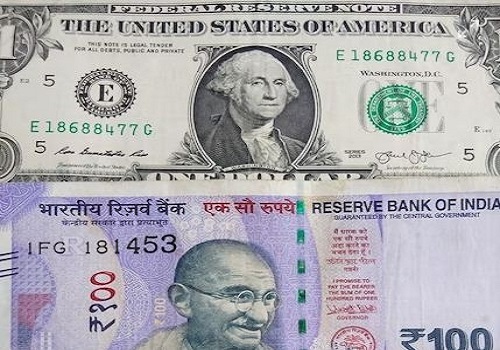
Rupee vulnerable to new all-time low on skewed flows, building bearish outlook
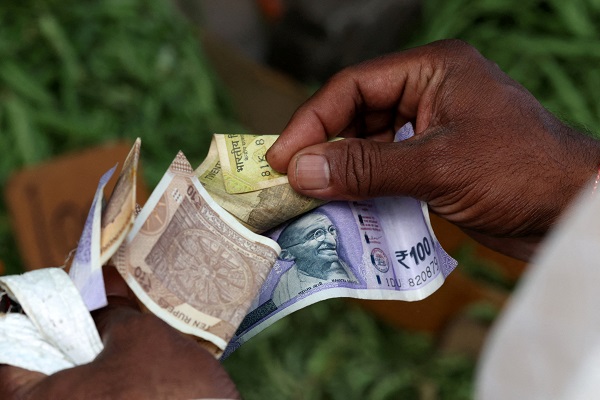
The Indian rupee is vulnerable to slipping to a fresh all-time low on Friday, with expectations of further losses reinforcing skewed flows and lifting hedging demand.
The 1-month non-deliverable forward suggests the rupee will open largely unchanged from Thursday's close of 91.63, uncomfortably near its lifetime low of 91.7425, hit a day prior.
While the rupee managed a modest recovery on Thursday, the price action underscored the pressure that the currency continues to face. It contended with heavy dollar demand through the session and was able to hold on only with support from the Reserve Bank of India.
That the recovery was limited despite largely supportive Asian cues was telling, traders said.
Underlying dollar demand remains firm due to bullion import flows and equity outflows, with offshore demand linked to speculative positions reinforcing the bias. The RBI has been smoothing depreciation through intermittent intervention, traders say, in an attempt to keep moves orderly.
"The market is trading with a mindset that dips (on dollar/rupee) won’t last, which is why buying keeps re-emerging,” a currency trader at a bank said.
Expectations of further rupee weakness have been steadily building, he added, prompting higher hedge ratios and curbing willingness among exporters to sell dollars in the forward market.
For most of the week, the RBI has sold dollars in the spot market and simultaneously conducted buy/sell dollar-rupee swaps to neutralise the liquidity impact of its intervention.
Meanwhile, the dollar index was on track for its steepest weekly fall in about a year, rattled by investor unease after President Donald Trump’s Greenland rhetoric and subsequent pullback, while the Japanese yen hovered near one-week lows before Bank of Japan's policy decision.
The dollar dropped on Thursday despite robust U.S. data. The data reinforced expectations that the Federal Reserve will pause its rate-cutting cycle at its policy meeting next week.
(Reporting by Nimesh Vora; Editing by Sonia Cheema)