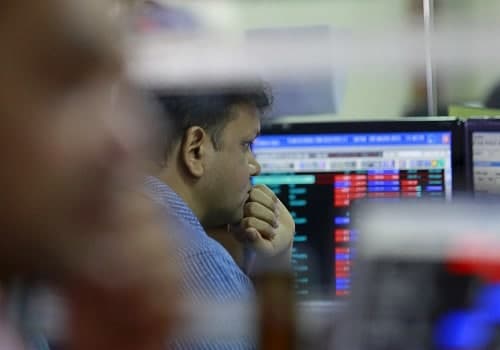
Oil Surge and Geopolitical Risks Trigger Market Volatility; India`s Growth Story Remains Resilient: PL Wealth Management
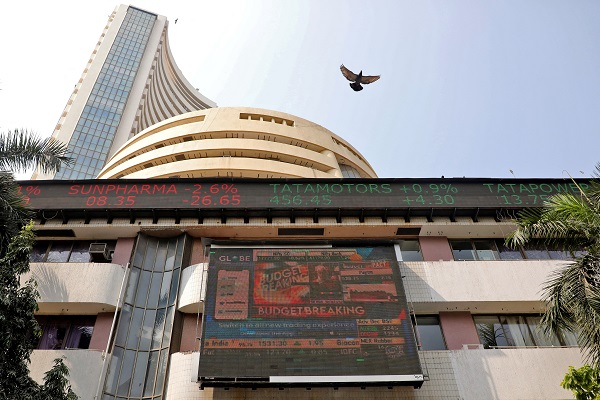
Indian equity markets have entered a phase of heightened volatility amid rising geopolitical tensions in the Middle East and a surge in crude oil prices. While these developments have created short-term uncertainty across global financial markets, India’s macroeconomic fundamentals remain resilient, supported by strong domestic consumption, robust infrastructure spending and healthier corporate balance sheets.
PL Wealth, the wealth management arm of PL Capital (Prabhudas Lilladher), in its latest report Market Outlook – March 2026 cited that market volatility is likely to remain elevated in the near term as investors continue to assess geopolitical developments and commodity price movements. However, the broader macroeconomic environment in India continues to demonstrate resilience, reinforcing the long-term attractiveness of Indian equities.
“Periods of volatility are an inherent part of financial markets, particularly when global geopolitical risks intensify,” said Inderbir Singh Jolly, CEO, PL Wealth Management. “However, India’s economic fundamentals continue to remain strong. The ongoing infrastructure push, steady consumption demand and strengthening corporate balance sheets provide a solid foundation for long-term growth. For investors, such phases often create opportunities to accumulate high-quality businesses at more reasonable valuations.”
Global Uncertainty Weighs on Sentiment
Global markets have recently witnessed increased volatility as geopolitical tensions in the Middle East escalated, pushing crude oil prices higher and raising concerns around inflation and global growth prospects. As India remains a significant importer of energy, sustained increases in oil prices could influence inflation expectations and currency movements. However, market experts note that such global shocks have historically resulted in short-lived market corrections rather than prolonged downturns, particularly in economies with strong domestic demand and supportive policy environments.
Domestic Economy Provides Strong Support
Despite global headwinds, India’s domestic economic environment continues to remain supportive. Government-led infrastructure spending has been a major driver of growth, catalysing investment across sectors such as engineering, construction and capital goods. At the same time, manufacturing activity continues to improve, while consumption demand remains steady across urban and rural markets. Corporate balance sheets have strengthened significantly over the past few years, allowing companies greater financial flexibility to invest and expand.
India’s banking sector has also witnessed a notable turnaround, with improving asset quality and stable credit growth supporting the broader investment cycle.
Earnings Growth Healthy but Increasingly Selective
Corporate earnings across several sectors have shown steady improvement over the past year, supported by operating leverage and improved capital allocation. However, earnings revisions have been uneven across sectors, suggesting that market returns are likely to become increasingly stock-specific rather than driven by broad sectoral movements.
“In the current market environment, selectivity is key,” Inderbir Singh Jolly added. “Investors should focus on companies with strong balance sheets, clear earnings visibility and sustainable competitive advantages. Quality and discipline will matter far more than chasing momentum.”
Valuations Reflect Long-Term Confidence
Indian equities continue to trade at valuations above long-term historical averages relative to several emerging markets. This valuation premium reflects strong investor confidence in India’s long-term growth trajectory as well as sustained domestic liquidity flows from both institutional and retail investors.
While some pockets of the market may appear richly valued, strong earnings visibility and continued domestic participation are expected to support overall market stability. As a result, periods of market volatility may present attractive opportunities for long-term investors to build exposure to fundamentally strong companies.
Sectoral Opportunities Remain Broad-Based
Among sectors, financials remain a key driver of India’s equity markets. Strong credit growth, improving asset quality and increasing financial penetration continue to support earnings visibility across banks and financial institutions. Infrastructure and capital goods companies are also well positioned to benefit from the government’s continued focus on infrastructure development and an accelerating capital expenditure cycle.
The automobile sector continues to benefit from steady domestic demand, premiumisation trends and improving export opportunities, while consumer-focused businesses remain structurally attractive due to rising incomes, urbanisation and evolving consumption patterns. Meanwhile, the information technology sector is undergoing structural transformation driven by artificial intelligence and digitalisation. Although global technology spending cycles may introduce short-term volatility, long-term demand for digital services remains intact.
Defensive sectors such as healthcare, energy and utilities are expected to provide relatively stable earnings visibility during periods of market uncertainty.
Investment Strategy in a Volatile Environment
In the current environment, experts recommend maintaining a diversified portfolio with a focus on sectors that offer strong earnings visibility and structural growth drivers.
Financials and infrastructure remain core portfolio allocations due to their direct exposure to India’s economic expansion. Selective exposure to consumption-driven businesses and high-quality industrial companies can offer additional growth opportunities, while defensive sectors such as healthcare and utilities can help stabilise portfolios during volatile phases. Maintaining diversification across sectors and asset classes remains critical for managing investment risk.
Outlook Across Investment Horizons
In the short term (0–6 months), markets may remain range-bound as investors monitor global macroeconomic developments and geopolitical risks. A cautious approach with gradual capital deployment may help investors navigate this phase.
Over the medium term (6–24 months), improving corporate earnings and sustained infrastructure spending are expected to support market performance, particularly in sectors linked to the investment cycle such as financials, infrastructure and industrials.
Looking further ahead (24–60 months), India’s structural growth story remains compelling. Rising consumption, expanding financial markets, digital transformation and infrastructure development are expected to drive sustained economic expansion.
“India’s long-term growth trajectory remains one of the most compelling among emerging markets,” Inderbir Singh Jolly said. “For investors with a disciplined and long-term approach, equities are likely to remain the most effective wealth creation asset class.”
Commodities Outlook
Amid rising geopolitical risks, gold continues to attract strong safe-haven demand. Central bank purchases and portfolio diversification strategies are expected to provide continued support for gold prices. Silver, while supported by industrial demand, is expected to remain more volatile and tactical compared to gold.
Above views are of the author and not of the website kindly read disclaimer