Oil little changed as supply concerns temper US winter output disruptions
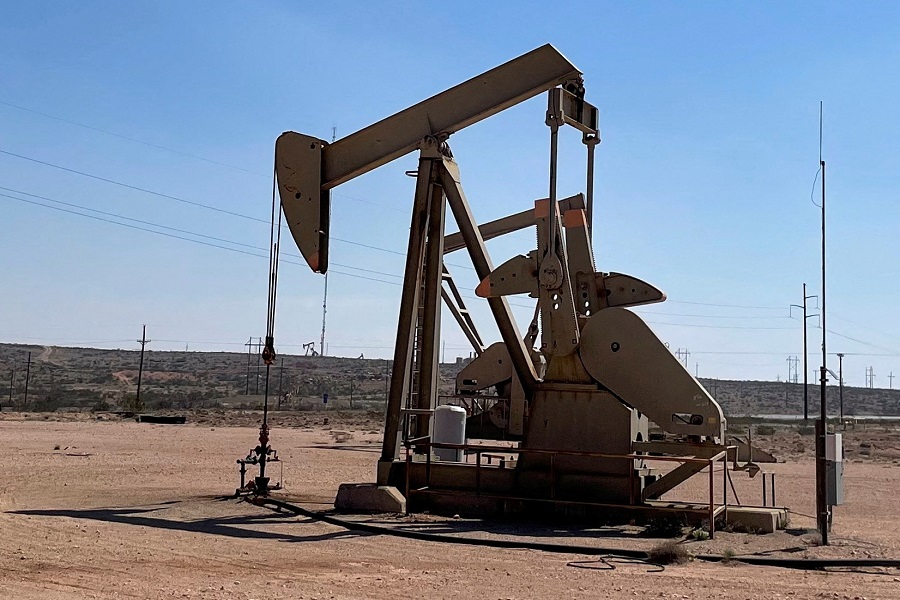
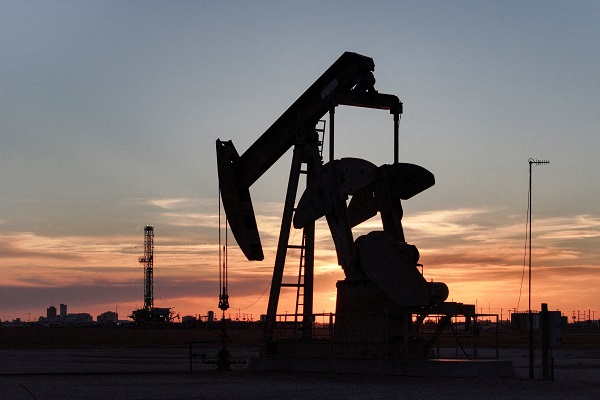
Oil prices were little changed on Monday after climbing more than 2% in the previous session, as supply concerns kept a lid on benchmarks despite production disruptions in major U.S. crude-producing regions.
Brent crude futures fell 7 cents, or 0.1%, to $65.81 a barrel at 0221 GMT. U.S. West Texas Intermediate crude was at $61.01 a barrel, down 6 cents, or 0.1%.
Both benchmarks notched weekly gains of 2.7% to close on Friday at their highest points since January 14. A U.S. military aircraft carrier strike group and other assets are expected to arrive in the Middle East in the coming days.
"Oil prices are being tickled this week by signs of production disruptions in the U.S., coupled with persistent geopolitical risk against the notion of an oversupplied 2026," said Priyanka Sachdeva, senior market analyst at Phillip Nova Pte Ltd.
Crude production of about 250,000 barrels per day has been lost in the U.S. due to harsh weather, including declines in the Bakken field in Oklahoma and parts of Texas, JPMorgan analysts said in a note on Monday.
"Winter storm Fern struck the U.S. coast, forcing shut-ins in major crude and natural gas producing regions and adding stress to the power grid," she said, adding that oil markets are experiencing a mild upswing as outages tighten physical flows.
Traders are also wary of geopolitical risks, analysts say, as tensions between the U.S. and Iran keep investors on edge.
"President Trump's declaration of a U.S. armada sailing toward Iran has reignited supply-disruption fears, adding a risk premium to crude prices and supported risk aversion flows more broadly this morning," IG market analyst Tony Sycamore said.
On Friday, a senior Iranian official said Iran would treat any attack "as an all-out war against us."
Separately, Kazakhstan's Caspian Pipeline Consortium said it returned to full loading capacity at its terminal on the Black Sea coast on Sunday after completing maintenance at one of its three mooring points.
"Traders are weighing the durability of the surplus more heavily than episodic headlines," Phillip Nova's Sachdeva said. "So, unless OPEC+ or major producers announce meaningful cuts, the overall oil market picture still points to soft structural fundamentals in 2026."
(Reporting by Florence Tan and Sudarshan Varadhan; Editing by Thomas Derpinghaus)