Not Losing Weight Despite Diet and Exercise? Here`s the Scientific Explanation
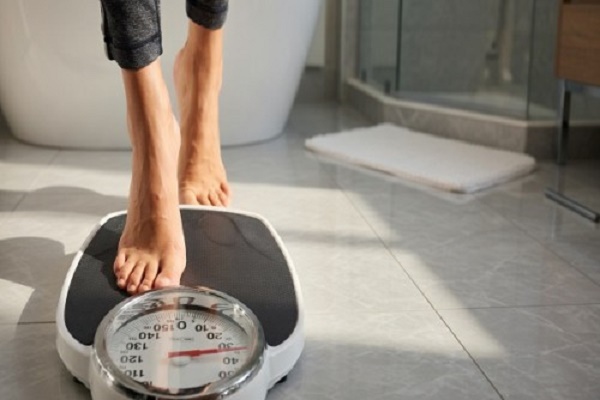
Many people struggle with weight loss even after following strict diets and regular exercise routines. It can be frustrating to put in so much effort and not see the results you expect. However, weight management is more complex than just calories in and calories out. Several scientific factors can make it difficult for some individuals to shed extra pounds, despite their best efforts.
1. Metabolic Rate Differences
Metabolism varies from person to person. Some people naturally burn fewer calories at rest, making it harder to lose weight. Factors affecting metabolism include age, genetics, muscle mass, and hormonal balance. Even with a calorie-controlled diet and exercise, a slower metabolism can make weight loss slower or plateau.
2. Hormonal Imbalances
Hormones play a crucial role in regulating weight. Thyroid disorders, insulin resistance, and imbalances in leptin and ghrelin (hormones that control hunger and satiety) can interfere with fat loss. Women, especially, may experience weight gain due to hormonal changes during menopause, pregnancy, or polycystic ovary syndrome (PCOS).
3. Stress and Cortisol Levels
High stress levels increase the production of cortisol, a hormone linked to fat storage, particularly around the belly. Chronic stress can also trigger cravings for high-calorie “comfort foods,” further sabotaging weight loss efforts.
4. Sleep Deprivation
Lack of quality sleep can disrupt hormones that control hunger and appetite, including ghrelin and leptin. Poor sleep may also reduce energy levels, making it harder to stay active and stick to a healthy lifestyle.
5. Hidden Calorie Sources
Sometimes, people underestimate calorie intake. Hidden calories in beverages, sauces, snacks, or even healthy foods can add up. Without accurately tracking consumption, weight loss may stall despite apparent discipline.
6. Medical Conditions and Medications
Certain medications, like antidepressants, steroids, or diabetes drugs, can contribute to weight gain or hinder fat loss. Medical conditions such as hypothyroidism, PCOS, and Cushing’s syndrome can also make it more difficult to shed pounds.
7. Gut Health and Microbiome
Recent research shows that gut bacteria influence metabolism and fat storage. An imbalance in gut microbiota may affect how your body digests food and stores energy, making weight loss more challenging.
8. Consistency and Adaptation
Sometimes the body adapts to diet and exercise routines. Metabolic adaptation, also called “plateau effect,” occurs when your body becomes efficient at using fewer calories for the same activity, slowing down weight loss.
Tips to Overcome Weight Loss Plateaus
Track calories accurately and include nutrient-dense foods.
Prioritize strength training to build muscle and boost metabolism.
Ensure 7–9 hours of quality sleep each night.
Manage stress through meditation, yoga, or mindfulness practices.
Consult a healthcare professional to check for hormonal imbalances or medical conditions.
Consider adjusting your exercise routine periodically to prevent adaptation.
Conclusion Weight loss is not always straightforward, and hitting a plateau does not mean failure. Understanding the scientific factors behind your body’s response can help you make informed adjustments to your lifestyle. With the right approach, patience, and professional guidance, breaking through weight loss barriers is achievable.