Nine years of GST mark success of India`s biggest tax reform

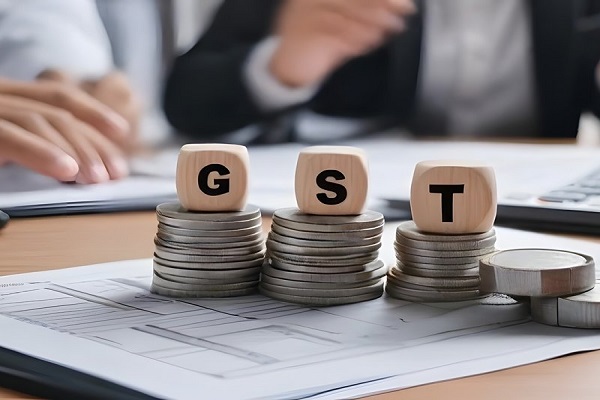
The launch of the Goods & Services Tax (GST) on July 1, 2017, marked a historic achievement in India’s economic reforms journey, with the principle of “One Nation, One Tax” helping to create a common national market, according to an official factsheet issued on Tuesday.
As GST completes nine years, it has also undergone next-generation reforms in 2025, which further simplified the structure through lower rates, exemptions and easier processes. These measures aim to benefit households, MSMEs, farmers, artisans, exporters, and various trade sectors, the statement said.
The number of GST taxpayers increased from 66.5 lakh in 2017 to 1.65 crore as of May 2026. This points to greater formalisation of the economy and the success of the new tax regime.
Gross GST collection stood at around Rs 7.4 lakh crore in 2017-18 and has increased steadily over the years. Over the last five years, collections rose from Rs 13.76 lakh crore in 2021-22 to Rs 22.27 lakh crore in 2025-26. The momentum has continued into 2026-27, with GST collections reaching around Rs 4.37 lakh crore during April-May 2026, the factsheet added.
Strengthening India’s vision of ‘Ek Bharat - Shreshtha Bharat’, GST has brought transparency, accountability, and economic growth through rationalised tax rates and standardised procedures.
GST subsumed 17 different taxes and 13 cesses into a common framework. Earlier, India’s indirect tax system included several Central and State-level taxes, creating differences in rates and structures. This added hidden costs for trade & industry and led to cascading of taxes, often described as "tax on tax". Also, supported by a strong IT infrastructure, it aimed to broaden the tax base and improve tax discipline.
The GST Council has strengthened co-operative federalism by bringing the Centre and states together in decision-making. It is a statutory body that has played an important role by regularly reviewing issues and responding to emerging challenges. This flexible approach has allowed timely changes and course corrections in the tax system to support the economy.
After the implementation of GST 2.0 in 2025, the tax structure has primarily moved to two slabs of 5 per cent and 18 per cent.
A 40 per cent rate on luxury and sin goods, which include lottery/online gaming, tobacco, sugary drinks, high-end cars, yachts, and private aircraft.
GST 2.0 also makes registration and return filing easier, while speeding up refunds and lowering costs. This brings procedural ease for businesses, especially MSMEs and startups.
Beyond rate reduction, GST 2.0 is supporting India’s growth cycle by lowering costs, improving affordability, encouraging compliance and economic activity. With a wide sectoral reach, the tax aims to benefit exports, artisans, farmers and sustainable manufacturing.
GST reforms have also increasingly shifted tax administration towards a technology-driven framework. The Goods and Services Tax Network (GSTN) portal and e-invoicing have made administration more transparent by enabling real-time capture of invoice data. This has enabled reduced manual reporting, improved accuracy and helped minimise mismatches in reporting.
Automation has also made filing processes easier for taxpayers. The matching of supplier tax liability with recipient input tax credit (ITC) has streamlined processes. Pre-filled returns, simplified reconciliation and real-time validation have reduced errors and lowered the overall procedural requirements.
Advanced technologies such as artificial intelligence, machine learning and data analytics are being used for monitoring in a more targeted manner. They help identify possible tax evasion by analysing data patterns and risk indicators. These tools have been applied across various processes such as registration, scrutiny, etc. This allows the system to focus on high-risk taxpayers, while easing regulatory requirements on compliant taxpayers.
GST collections have become a high-frequency signal of economic activity. Rising revenues reflect not only higher consumption and trade, but also a wider taxpayer base, stronger reporting systems and better compliance.