Monsoon Bike Riding Safety Tips: Stay Safe on Wet Roads
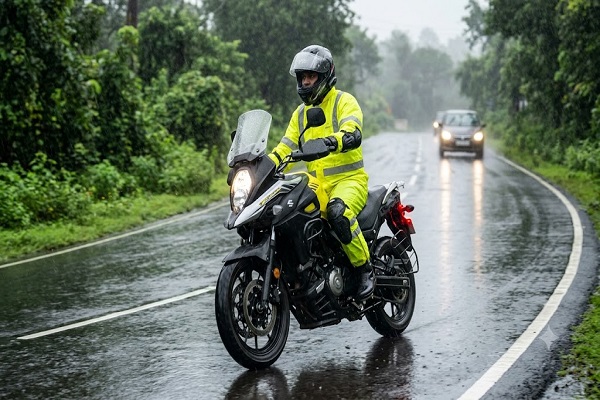
The monsoon season brings much-needed relief from the summer heat, but it also creates challenging riding conditions for motorcyclists. Slippery roads, reduced visibility, potholes, and sudden showers can increase the risk of accidents. Whether you're a daily commuter or a weekend rider, following essential monsoon bike riding safety tips can help you stay safe while enjoying your ride.
Why Riding During the Monsoon Is Risky
Rainwater reduces tire grip, making it easier for motorcycles to skid during braking or sharp turns. Waterlogged roads may hide potholes and debris, while fogged visors and heavy rainfall reduce visibility for both riders and other motorists.
Preparing both your motorcycle and yourself before riding in the rain can significantly reduce these risks.
Essential Monsoon Bike Riding Safety Tips
1. Inspect Your Tyres Before Every Ride
Tyres are your motorcycle's only contact with the road. Ensure they have sufficient tread depth and maintain the recommended air pressure. Worn-out tyres lose grip on wet roads and increase the chances of hydroplaning.
2. Wear Proper Rain Riding Gear
Invest in high-quality waterproof riding gear, including:
Waterproof riding jacket and pants
Full-face helmet with a clear visor
Waterproof gloves
Riding boots with anti-slip soles
Reflective raincoat or vest for better visibility
Avoid wearing loose raincoats that may get caught in the wheels or chain.
3. Ride at a Moderate Speed
Wet roads require longer stopping distances. Reduce your speed and avoid sudden acceleration or aggressive riding. A controlled pace gives you more time to react to unexpected obstacles.
4. Maintain a Safe Following Distance
Keep extra distance between your motorcycle and the vehicle ahead. This allows enough room for gradual braking and reduces the risk of collisions if the vehicle suddenly stops.
5. Brake Smoothly
Avoid hard braking on wet roads. Use both front and rear brakes gently to maintain balance. If your motorcycle is equipped with ABS (Anti-lock Braking System), it will provide additional stability during emergency braking.
6. Avoid Sudden Turns
Sharp turns and quick lane changes can cause the tyres to lose traction. Lean gradually into corners and make all steering movements smooth and controlled.
7. Watch Out for Waterlogged Roads
Puddles may conceal deep potholes, loose gravel, or open drains. If you cannot judge the depth of the water, avoid riding through it whenever possible.
8. Increase Visibility
Keep your headlight on, even during the daytime, to make yourself more visible to other road users. Wear bright or reflective clothing for added safety during heavy rain or low-light conditions.
9. Keep Your Helmet Visor Clean
Rain droplets and fog can reduce visibility. Use an anti-fog visor or anti-fog spray and wipe away excess water whenever it is safe to stop.
10. Stay Calm During Heavy Rain
If rainfall becomes too intense and visibility drops significantly, pull over at a safe location and wait until conditions improve. Avoid stopping under trees or in flood-prone areas.
Prepare Your Motorcycle for the Rainy Season
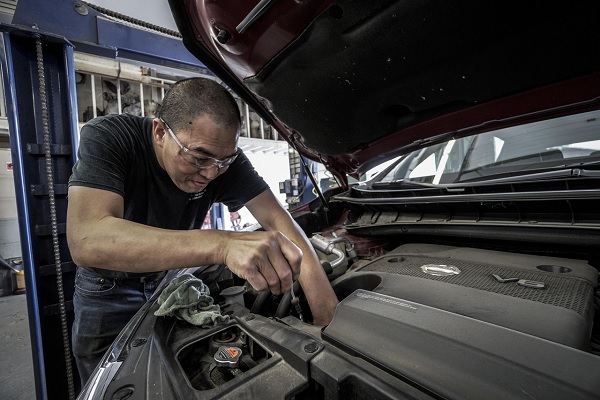
Regular maintenance becomes even more important during the monsoon.
Before the rainy season:
Check brake pads and brake fluid.
Lubricate and clean the motorcycle chain.
Test headlights, indicators, and brake lights.
Inspect battery health.
Ensure all electrical connections are protected from water.
Clean mud and dirt after every rainy ride.
A well-maintained motorcycle performs more reliably on wet roads.
Common Mistakes to Avoid
Many accidents occur because riders underestimate wet-road conditions. Avoid these common mistakes:
Riding with worn tyres.
Braking suddenly on slippery surfaces.
Riding too close to other vehicles.
Speeding through puddles.
Ignoring visibility issues.
Wearing unsuitable footwear.
Emergency Tips During Rain
If your motorcycle starts to skid:
Stay calm and avoid panic braking.
Ease off the throttle gradually.
Keep the handlebars straight.
Look in the direction you want to go.
Regain control before applying the brakes gently.
Practicing defensive riding techniques can help you respond more effectively in emergencies.
Benefits of Safe Monsoon Riding
Following proper riding practices during the rainy season offers several advantages:
Reduces accident risks.
Improves motorcycle control.
Enhances rider confidence.
Protects your bike from unnecessary wear.
Makes daily commuting safer and more comfortable.
Conclusion
Monsoon riding doesn't have to be dangerous if you're well-prepared. By maintaining your motorcycle, wearing appropriate protective gear, riding at safe speeds, and staying alert to changing road conditions, you can significantly reduce the risks associated with wet-weather riding.
Safety should always take priority over reaching your destination quickly. A cautious and prepared rider is far more likely to enjoy a smooth and accident-free journey throughout the rainy season.




 Ltd ( 1 ).jpg)