Luxury Hotels With Smart Room Technology: The Future of Premium Stays
Luxury Hotels With Smart Room Technology: The Future of Premium Stays
Luxury hotels are redefining the meaning of comfort by bringing smart technology directly into the guest room. In 2026, travelers increasingly expect technology to make their stay smoother, more personalized, and more convenient without taking away from the human side of hospitality. The best smart rooms are designed so that technology works quietly in the background, allowing guests to enjoy a seamless experience rather than forcing them to learn complicated controls.
What Is Smart Room Technology?
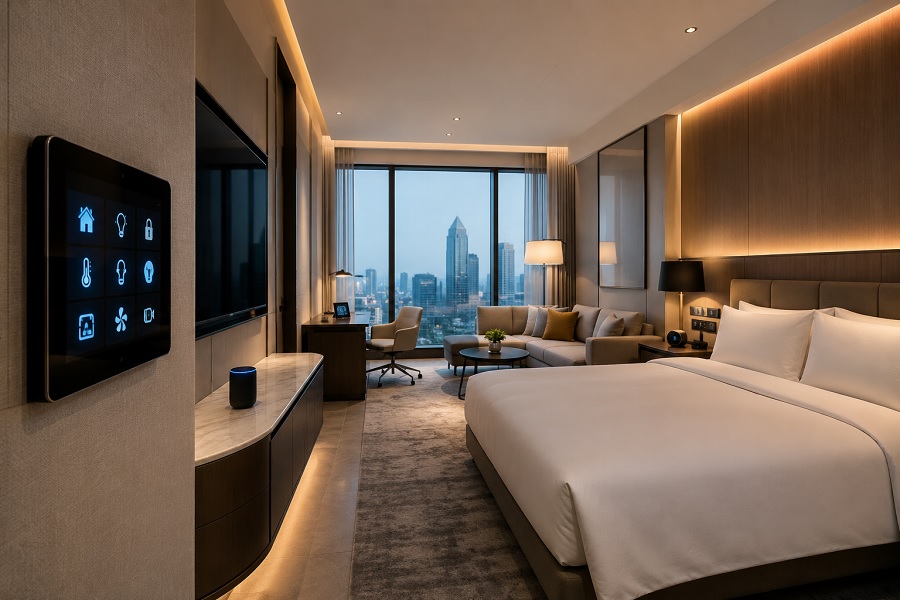
Smart room technology refers to connected systems and devices that allow guests to control different aspects of their hotel room through smartphones, tablets, voice commands, or centralized control panels. These systems can include smart lighting, automated curtains, intelligent thermostats, digital room keys, connected entertainment, and personalized room settings.
Modern hotel room management systems can bring together lighting, temperature, room access, entertainment, and service requests into a more integrated guest experience. The technology is also increasingly being adopted beyond large luxury chains, including boutique and independent hotels.
Smart Lighting for a Personalized Atmosphere
One of the most noticeable features in a smart luxury hotel room is intelligent lighting. Guests may be able to adjust brightness and lighting scenes according to their needs, whether they are working, relaxing, reading, or preparing for sleep.
Some advanced systems can support personalized lighting routines designed around different times of day. The goal is to create an atmosphere that feels natural and comfortable rather than simply adding more technology to the room.
Intelligent Temperature Control
Smart thermostats can make hotel rooms more comfortable by allowing guests to adjust the temperature easily. Some systems can also use occupancy information to manage energy consumption when rooms are unoccupied.
For luxury travelers, the biggest benefit is convenience. Instead of waiting for the room to become comfortable, guests can quickly adjust the temperature to their preference. For hotels, intelligent controls can also contribute to more efficient energy management.
Voice-Controlled Hotel Rooms
Voice technology is becoming an interesting part of the smart luxury hotel experience. Depending on the property's system, guests may be able to use voice commands to control lighting, temperature, entertainment, or request certain services.
Research published in 2026 examining voice-controlled hubs in luxury hotels found that factors such as trust, perceived value, willingness to use the technology, and technology anxiety can influence guest engagement. This suggests that voice technology works best when it is easy to understand, optional, and genuinely useful.
Mobile Apps and Digital Room Keys
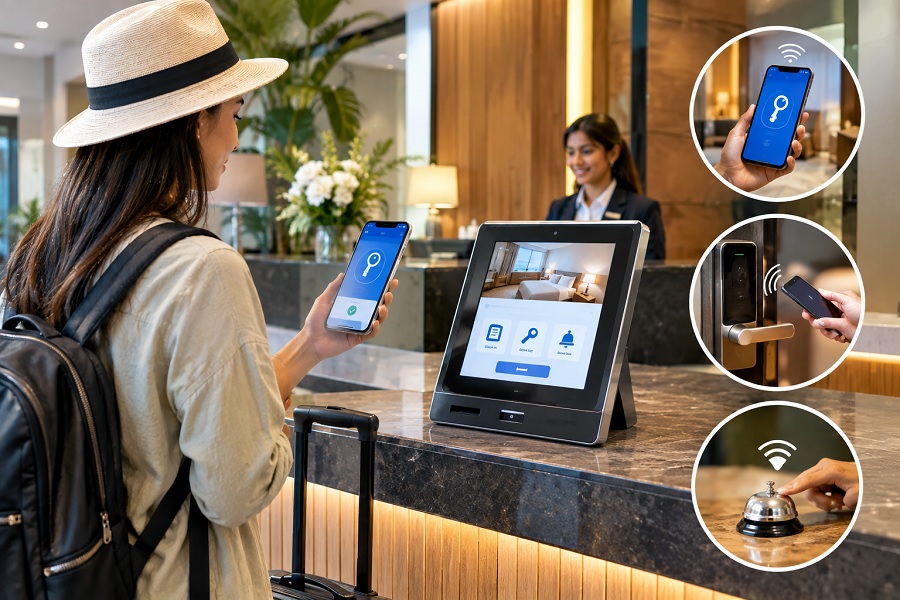
Luxury hotels are increasingly using mobile technology to simplify the guest journey. A hotel app may allow guests to check in, access their room with a digital key, request services, make restaurant reservations, or communicate with the concierge.
Digital keys can reduce waiting at the front desk and make arrival more convenient, particularly for travelers arriving late at night or after long flights. However, traditional front-desk assistance remains important for guests who prefer personal service.
Smart Entertainment and Connectivity
Modern luxury travelers often want to connect their personal devices to the entertainment system in their rooms. Smart televisions and connected entertainment platforms can make it easier to access personal streaming services and other digital content.
High-speed Wi-Fi is also essential. For business travelers and digital nomads, reliable connectivity can be just as important as a comfortable bed or attractive room design.
Personalized Guest Experiences
One of the most exciting possibilities of smart hotel technology is personalization. Connected systems can help hotels remember preferences such as room temperature, lighting settings, or service choices, where guests have given appropriate permission.
The objective is to make returning guests feel recognized without making the experience feel intrusive. Research into smart service experiences in hotels has linked smart technology with guest engagement, perceived value, memorable experiences, and intentions to return.
Smart Technology and Sustainability
Technology can also support more sustainable hotel operations. Occupancy sensors and intelligent energy systems can help manage lighting and climate control when rooms are not being used.
This can potentially reduce unnecessary energy consumption while maintaining guest comfort. The most successful luxury hotels are increasingly looking at technology not only as a premium feature but also as a tool for more efficient operations.
The Importance of Simple Design
Smart technology should make a luxury stay easier, not more complicated. Poorly designed controls can frustrate guests, especially when they have to spend time figuring out how to switch off lights or adjust the temperature.
The best smart rooms make technology almost invisible. Guests should be able to use the controls intuitively, while traditional options remain available when needed. This balance between innovation and simplicity is becoming an important part of modern luxury hospitality.
Privacy and Security Matter
Smart rooms can involve connected devices and guest data, which makes privacy and security important considerations. Luxury hotels need to ensure that personalization does not become intrusive and that guest information is handled responsibly.
Industry discussions in 2026 have emphasized the challenge of combining advanced technology and personalization with privacy, security, and the human touch that guests expect from luxury hospitality.
What Guests Should Look for in a Smart Luxury Hotel
When reviewing a luxury hotel with smart room technology, travelers should consider:
Easy-to-use room controls
Reliable high-speed Wi-Fi
Smart lighting and temperature controls
Mobile check-in and digital key options
Convenient entertainment connectivity
Voice control, where available
Personalized service options
Strong privacy and security practices
Traditional staff assistance when technology is not preferred
Technology that improves comfort without becoming distracting
Final Thoughts
Luxury hotels with smart room technology are changing how travelers experience accommodation. The future of premium hospitality is not simply about adding more gadgets. It is about using technology thoughtfully to create a stay that feels effortless, comfortable, personalized, and secure.
The strongest smart hotels understand that technology should support hospitality rather than replace it. A guest may appreciate controlling the lights from a smartphone or entering a room with a digital key, but exceptional service, genuine human interaction, comfort, cleanliness, and attention to detail remain at the heart of luxury travel. As smart hotel technology continues to develop, the properties that combine innovation with personalized human service are likely to create the most memorable guest experiences.